
Unveiling the Truth: A Deep Dive into Shared Hosting Uptime Performance and Rankings
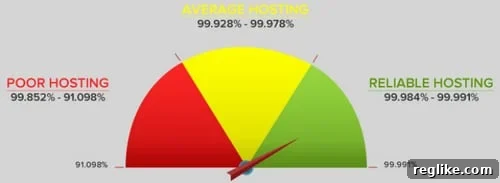
In the vast digital landscape, your website serves as your primary online storefront, information hub, or creative outlet. Its availability is paramount. Web hosting uptime, often an unsung hero, only truly becomes noticeable when it fails. When your website functions flawlessly, silently serving your audience, you rarely think about the intricate machinery behind it. However, the moment your site goes down, even for a few minutes, the frustration sets in, reminding you of the critical role your web host plays. This article delves into the crucial aspect of web hosting uptime, analyzing a significant study that sheds light on the actual performance of 32 shared hosting platforms, and what these findings mean for your online presence.
What is Web Hosting Uptime and Why Is It Absolutely Critical?
Web hosting uptime refers to the percentage of time your website is online and accessible to visitors. It’s typically expressed as a percentage over a given period, often monthly or annually. A host promising “99.9% uptime” might sound impressive, but what does that truly translate to? For a year, 99.9% uptime allows for approximately 8 hours and 45 minutes of downtime. While this might seem minimal, even short, frequent outages can accumulate quickly and have severe repercussions.
The importance of consistent uptime cannot be overstated. It directly impacts several core aspects of your online operations:
- Search Engine Optimization (SEO): Search engines like Google prioritize reliable websites. Frequent downtime can lead to search engine crawlers finding your site unavailable, potentially resulting in lower search rankings, wasted crawl budget, and even temporary de-indexing. A site that’s consistently offline sends negative signals to algorithms, hindering its visibility.
- User Experience (UX): Nothing frustrates a visitor more than clicking on a link only to find a “server not found” or “page not available” error. Downtime leads to high bounce rates, immediate loss of trust, and a negative perception of your brand. Users are unlikely to return to a site they perceive as unreliable.
- Business and Revenue Loss: For e-commerce sites, every minute of downtime translates directly into lost sales and revenue. Information sites lose advertising impressions. Service-based businesses lose potential client inquiries. The financial implications can be substantial, far outweighing any savings from choosing a cheaper, less reliable host.
- Brand Reputation: A website that is frequently inaccessible damages your professional image and credibility. Customers and clients expect constant availability in today’s digital age. Consistent uptime builds confidence and reinforces your brand’s reliability.
- Data Integrity and Security: While not a direct consequence of uptime, hosts with poor uptime often have underlying infrastructure issues that can also compromise data integrity and security, although this is not always the case. Reliable hosts typically invest heavily in robust systems that ensure both uptime and protection.
The Groundbreaking Study: Benchmarking Shared Hosting Uptime Across 32 Platforms
Understanding the real-world performance of web hosts is challenging, as self-reported data can sometimes be optimistic. This is why independent studies are invaluable. Last year, HostingStats.com undertook an ambitious and comprehensive study, creating test sites on 32 different shared hosting platforms. This wasn’t a short-term snapshot but a year-long monitoring project designed to provide an accurate, unbiased look at web host reliability.
The methodology was rigorous, focusing on key performance indicators critical to real-world website operation:
- Total Outage Minutes: This metric quantifies the cumulative time each test site was offline throughout the year. Lower numbers indicate superior reliability.
- Longest Outages: Beyond total downtime, the duration of individual outages is crucial. A single long outage can be far more damaging than several short, intermittent ones. This metric reveals hosts prone to significant, protracted issues.
- Average Site Speed: While not strictly uptime, site speed is intrinsically linked to user experience and overall hosting performance. A site can be “up” but so slow that it’s effectively unusable. This metric provided a holistic view of performance.
The scope of this study makes its findings particularly potent. By monitoring a diverse range of shared hosting providers over an extended period, HostingStats.com has provided invaluable data for individuals and businesses seeking to make informed decisions about their web infrastructure.
Key Findings and Surprising Revelations from the Study
The results of this extensive year-long study brought forth several significant and, in some cases, surprising revelations about the state of shared hosting uptime. For anyone considering a new host or evaluating their current provider, these insights are gold.
The Uptime Champion: MidPhase Leads the Pack
Emerging as the clear winner in terms of minimal downtime was MidPhase. Their performance demonstrated a remarkable level of reliability, experiencing the least amount of downtime among all 32 platforms tested. This achievement underscores their commitment to robust infrastructure and proactive server management, making them a strong contender for those prioritizing consistent availability above all else. A host that consistently keeps sites online provides peace of mind, allowing website owners to focus on content and growth rather than technical headaches.
Endurance International Group (EIG) Brands Show Strong Performance
Perhaps one of the more surprising outcomes for some was the excellent performance of several platforms under the Endurance International Group (EIG) umbrella. Brands like BlueHost and HostGator, which are often subjects of mixed reviews in online forums, performed “very well” in the study’s uptime metrics. EIG is a massive conglomerate that owns dozens of hosting brands, and their ability to maintain high uptime across some of their flagship products suggests significant investment in their underlying technology and infrastructure. This challenges some common perceptions and highlights that even large-scale providers can deliver competitive reliability.
The Unacceptable: Over 1,000 Minutes of Downtime
On the flip side, the study also identified the underperformers. A concerning finding was that four of the tested hosts racked up more than 1,000 minutes of total downtime during the year. To put this into perspective, 1,000 minutes is over 16 hours of cumulative downtime in a single year. For any business or serious website, this level of unreliability is simply unacceptable. Such extensive outages can cripple online operations, leading to significant financial losses, irreparable damage to reputation, and profound user dissatisfaction. These hosts serve as stark warnings, emphasizing the critical need for thorough research before committing to a provider.
Beyond Uptime: The Role of Average Site Speed
While uptime was the primary focus, the inclusion of “average site speed” as a metric is highly insightful. A website might technically be “up,” but if it loads excruciatingly slowly, it still offers a poor user experience. The study implicitly suggests that the best hosts not only keep your site online but also ensure it performs optimally, delivering content rapidly to visitors. This holistic approach to performance monitoring provides a more complete picture of a host’s real-world value.
Beyond the Numbers: Understanding Uptime Guarantees and SLAs
When choosing a web host, you’ll inevitably encounter “uptime guarantees” – usually 99.9% or even 99.99%. These figures are typically part of a Service Level Agreement (SLA), which is a contract between you and your host outlining the expected level of service. It’s crucial to understand what these guarantees truly mean:
-
The “Nines” Matter:
- 99% Uptime: Approximately 7 hours and 12 minutes of downtime per month, or over 3.5 days per year.
- 99.9% Uptime: Approximately 43 minutes of downtime per month, or nearly 9 hours per year.
- 99.99% Uptime: Approximately 4 minutes and 20 seconds of downtime per month, or just under 1 hour per year.
As you can see, each additional “nine” dramatically reduces potential downtime.
- Reading the Fine Print: Always examine the SLA for details on how downtime is calculated, what constitutes a valid outage claim, and the compensation offered (often a small service credit) if the guarantee isn’t met. Some SLAs exclude scheduled maintenance, DDoS attacks, or issues originating from third-party plugins.
- Guarantees vs. Reality: While an SLA provides a baseline, independent studies like the one by HostingStats.com offer a more realistic view of actual performance. A host might guarantee 99.9%, but consistently deliver 99.99%, or vice versa.
Factors Influencing Shared Hosting Uptime
Shared hosting, by its nature, involves multiple websites residing on the same server, sharing resources. This model can be very cost-effective but also presents unique challenges for maintaining high uptime. Several factors contribute to a shared host’s ability to keep sites online:
- Server Quality and Maintenance: High-quality hardware and regular, proactive maintenance (updates, patches, component replacements) are fundamental. Aging or poorly maintained servers are prone to failures.
- Network Infrastructure: A robust, redundant network connection to the internet is essential. Multiple upstream providers and diverse network paths ensure that if one connection fails, others can take over seamlessly.
- Resource Allocation and Management: In a shared environment, an issue with one user’s site (e.g., a traffic spike, a misconfigured script) can potentially impact other sites on the same server. Effective resource isolation and fair allocation policies are crucial.
- Security Measures: Cyberattacks like DDoS (Distributed Denial of Service) can bring down servers. Strong firewalls, intrusion detection systems, and active monitoring help mitigate these threats.
- Data Center Redundancy: State-of-the-art data centers often feature redundant power supplies (UPS, generators), redundant cooling systems, and geographically diverse locations to ensure continuous operation even during local disruptions.
- Proactive Monitoring and Rapid Response: The best hosts continuously monitor their servers and network for potential issues. Automated systems can often detect and resolve problems before they escalate, while a skilled support team is ready to intervene manually.
How to Choose a Reliable Web Host Based on Uptime
Given the critical importance of uptime, making an informed choice when selecting a web host is paramount. Don’t just pick the cheapest option; consider these factors:
- Look for Transparent Uptime Reports: Reputable hosts often publish real-time uptime status pages or provide historical performance data. While this is self-reported, it shows a commitment to transparency.
- Read Independent Reviews and Studies: Studies like the one from HostingStats.com are invaluable. Also, check review sites and forums for real user experiences regarding uptime and support during outages.
- Scrutinize the Service Level Agreement (SLA): Understand the host’s uptime guarantee, what it covers, and what compensation you might receive for non-compliance. A clear, robust SLA indicates confidence in their service.
- Evaluate Customer Support Responsiveness: When downtime occurs, quick and effective support is essential. Test their responsiveness before you sign up, if possible, or read reviews specifically mentioning their support during outages.
- Research Their Infrastructure: While not always fully disclosed for shared hosting, look for information about their data centers, network redundancy, and server technology. Hosts that invest in enterprise-grade hardware and redundant systems are more likely to be reliable.
- Balance Cost with Reliability: While budget is always a factor, remember that significant downtime can cost you far more than the savings from a cheap host. View hosting as an investment in your online presence.
Mitigating Downtime: What You Can Do As a Website Owner
While choosing a reliable host is your primary defense against downtime, there are also steps you can take to mitigate the impact of potential outages:
- Implement Regular Backups: Ensure your website data is regularly backed up, both by your host and, ideally, to an off-site location you control. This allows for quick restoration in case of data loss due to server issues.
- Utilize a Content Delivery Network (CDN): A CDN can cache your website’s static content (images, CSS, JavaScript) on servers globally. If your primary host experiences a brief outage, a CDN can sometimes continue serving cached content, reducing the perceived downtime for visitors. It also improves site speed.
- Employ Off-site Uptime Monitoring Tools: Don’t solely rely on your host’s monitoring. Services like Uptime Robot or Pingdom can independently monitor your site and alert you immediately via email or SMS if it goes down, giving you an early warning.
- Have a Backup Plan for Critical Sites: For mission-critical websites, consider having a disaster recovery plan. This could involve having a full backup ready for migration to another host or even using cloud services with high redundancy.
- Stay Informed: Follow your host’s status page, social media accounts, or service announcements to be aware of any scheduled maintenance or ongoing issues.
My Personal Take on Uptime Evolution: A Brighter Future for Web Hosting?
From a personal perspective, having observed the web hosting industry for years, I’ve noticed a significant improvement in overall uptime and reliability compared to a decade ago. It genuinely feels like downtime is less of an issue now. This evolution can be attributed to several factors:
- Technological Advancements: Modern server hardware, virtualization technologies, and data center infrastructure are far more robust and fault-tolerant than in the past.
- Increased Competition: The crowded hosting market forces providers to continually improve their service quality, with uptime being a key differentiator.
- Sophisticated Monitoring: Automated monitoring systems have become incredibly advanced, allowing hosts to detect and address potential issues proactively, often before they impact users.
- Learned Lessons: The industry has learned from past outages, implementing best practices for redundancy, disaster recovery, and security.
While perfection is unattainable, the trend towards higher and more consistent uptime is a welcome development for everyone reliant on the internet.
Conclusion: Making an Informed Hosting Decision
The recent study ranking 32 shared hosting platforms by uptime provides a valuable benchmark for anyone navigating the complexities of web hosting. It unequivocally reinforces that while all hosts promise high uptime, actual performance can vary significantly. MidPhase’s leading performance and the strong showing of EIG brands like BlueHost and HostGator are key takeaways, while the severe downtime experienced by some providers serves as a cautionary tale.
Ultimately, the reliability of your web host is a cornerstone of your online success. It impacts your SEO, user experience, revenue, and brand reputation. By prioritizing hosts that demonstrate transparent, consistent, and superior uptime performance, you are investing in the stability and growth of your online venture. Don’t leave your website’s availability to chance; let data and thorough research guide your decision.
We encourage you to delve deeper into the specific results and methodology of this study. For the full breakdown of the uptime results for all 32 hosts tested, which formed the basis of this analysis, please refer to the original comprehensive report. Understanding these individual performances can greatly assist in making an informed choice for your next web hosting partner.
Frequently Asked Questions (FAQs) about Web Hosting Uptime
Q: What is considered a “good” uptime percentage for shared hosting?
A: For shared hosting, anything consistently above 99.9% is generally considered good. Many reputable hosts aim for 99.95% or higher. While 100% uptime is virtually impossible in the real world due to factors like scheduled maintenance or unforeseen technical issues, striving for the highest possible “nines” is always the goal.
Q: How often should I check my website’s uptime?
A: It’s best to use an automated uptime monitoring service that checks your site every 1-5 minutes and alerts you immediately if it goes down. Manually checking is impractical and often too late to react effectively. These services provide continuous oversight.
Q: Can shared hosting really offer high uptime compared to VPS or dedicated hosting?
A: Yes, many shared hosting providers now offer very high uptime, often comparable to more expensive solutions, thanks to advanced infrastructure, load balancing, and proactive monitoring. However, shared hosting can still be more susceptible to issues caused by “noisy neighbors” (other users on the same server) if resources aren’t managed effectively. Dedicated and VPS typically offer more isolated environments, which can translate to even greater control over uptime, but at a higher cost and requiring more technical expertise.
Q: What’s the difference between uptime and site speed?
A: Uptime refers to whether your website is online and accessible at all. Site speed, on the other hand, refers to how quickly your website’s content loads once it is accessible. A site can be 100% up but load very slowly, providing a poor user experience. Both are crucial for a successful website, but they measure different aspects of performance.
Q: What should I do if my web host has frequent downtime?
A: First, contact their support to understand the issues and their resolution plan. Check their status page for ongoing incidents. If the problems persist and their uptime falls significantly below their SLA or your expectations, it’s a strong indicator that you should consider migrating your website to a more reliable hosting provider. Documenting the downtime instances can strengthen your case if you pursue compensation according to their SLA.