
Agents are embracing unique domains for each high-end home they sell, marking a significant evolution in luxury real estate marketing strategies.
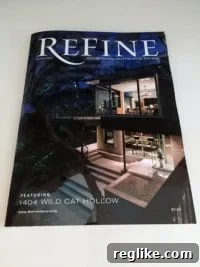
The landscape of real estate marketing, particularly for high-end properties, is in constant flux. In an increasingly digital world, a strong online presence is not just a luxury but a necessity. Two years ago, I embarked on a personal research endeavor, leafing through an upscale Austin home magazine called Refine. My objective was clear: to understand the prevailing trends in how real estate agents utilized domain names to market their premium properties. This past weekend, a current copy of the very same publication landed in my hands, providing a unique opportunity to revisit my observations and assess if the dynamic usage of domain names had shifted.
The comparative analysis revealed a compelling narrative of growth and strategic refinement. The original publication offered a snapshot of marketing tactics, and now, with the latest edition featuring a total of 100 distinguished homes, a clear evolution in digital marketing approaches is evident. The data collected provides invaluable insights into how luxury real estate professionals are adapting their online strategies to capture discerning buyers in a competitive market. This shift underscores the increasing sophistication required to effectively showcase properties that command premium prices and demand an equally premium digital presentation.
The Growing Adoption of Dedicated Property Domains
The most striking trend observed is the significant increase in the adoption of dedicated domain names for individual properties. This shift indicates a broader understanding among real estate professionals of the power of a unique online identity for each listing. The statistics from the Austin market, as exemplified by Refine magazine, paint a clear picture:
- In 2017, a remarkable 78% of the featured homes boasted their own exclusive domain name. This represents a substantial leap from just 54% recorded in 2015. This upward trajectory highlights a market maturing in its digital approach, where agents recognize the intrinsic value of providing a direct, memorable, and branded online destination for each luxury property they represent.
This surge isn’t merely a fleeting trend; it reflects a strategic move by agents to differentiate their listings and enhance the overall buyer experience. A dedicated domain name elevates a property from a mere listing on a crowded portal to a distinct online entity, a virtual showroom that can be meticulously curated. It offers several tangible benefits:
- Enhanced Brand Identity: Each high-end home, with its unique architectural features and lifestyle promise, effectively becomes its own brand. A dedicated domain name, such as
TheOakwoodEstate.com, allows this brand to flourish independently, separate from the agent’s or brokerage’s primary website. - Improved Memorability and Direct Access: In an age of information overload, simplicity and memorability are paramount. It is far easier for a potential buyer to recall and type a specific property domain name than a long, complex URL from a multi-listing service (MLS) or a brokerage site. This directness streamlines the buyer’s journey to the property’s dedicated information hub.
- Optimized for Search Engines (SEO): A dedicated domain can be meticulously optimized for specific keywords related to the property, its features, and its location. This significantly boosts the chances of the property ranking higher in search engine results for relevant queries, attracting organic traffic from highly motivated buyers.
- Professionalism and Exclusivity: Investing in a dedicated domain and a bespoke property website signals a high level of professionalism and commitment from the agent. For luxury clients, this demonstrates a tailored marketing approach that aligns with the exclusivity and value of their property.
- Centralized Marketing Hub: All marketing efforts – from print advertisements, social media campaigns, and email newsletters to open house flyers – can consistently point to a single, intuitive URL. This creates a unified and coherent marketing message, simplifying information access for prospective buyers.
Evolving Strategies: Address-Based vs. Descriptive Domains
Beyond the overall increase in domain adoption, the analysis also revealed fascinating shifts in the *types* of domain names being chosen. This indicates a more nuanced understanding among agents of how different naming conventions can serve specific marketing objectives.
The Shift Away from Solely Address-Based Domains
- Of the homes that now feature dedicated domains in 2017, 55% utilize address-based formats, such as
3602MurilloCircle.com. While still a majority, this figure represents a noticeable decline from 73% in 2015.
Address-based domains have historically been popular due to their straightforward nature. They are precise, unambiguous, and relatively easy to secure given the unique street addresses of properties. Their strength lies in directness; if a potential buyer knows the address, finding the dedicated site is effortless. However, their limitation often lies in their lack of descriptive power or emotional appeal. They convey little about the property’s unique features, luxurious amenities, or the lifestyle it offers, which are crucial selling points for high-end homes.
The Ascendance of Descriptive Domains
- In a compelling counter-trend, 45% of the domains chosen in 2017 are descriptive, such as
RivercrestWaterfront.com. This marks a significant increase from just 27% in 2015.
The rise of descriptive domains reflects a growing sophistication in storytelling and branding within luxury real estate. These domains are crafted to evoke interest, highlight key selling propositions, and resonate with the aspirations of target buyers. A domain like SkylinePenthouseAtlanta.com immediately communicates the property’s location, type, and premium status, even before a visitor lands on the website.
The benefits of descriptive domains are multi-faceted:
- Storytelling and Emotion: They allow agents to weave a narrative, emphasizing unique features like waterfront access, mountain views, exclusive golf course proximity, or architectural style. This emotional connection can be a powerful driver for luxury home purchases.
- Enhanced SEO for Features: Descriptive domains naturally integrate keywords that potential buyers might use when searching for specific property attributes (e.g., “waterfront property,” “luxury estate with pool,” “golf course home”). This can lead to higher visibility for specific, high-intent searches.
- Pre-qualification of Buyers: A descriptive domain helps set expectations and can attract buyers who are specifically looking for the features highlighted, potentially leading to more qualified leads.
- Stronger Branding: They contribute to a more robust and memorable brand for the individual property, making it stand out in a crowded market.
Increasingly, agents are also exploring hybrid approaches, combining elements of both address and descriptive naming (e.g., 123MainStreetWaterfront.com). This strategy aims to harness the clarity of an address with the allure of a descriptive phrase, offering the best of both worlds.
The Enduring Dominance of .COM
One aspect of domain name usage remained remarkably consistent across both review periods: the unequivocal preference for .com domains. The data shows that 100% of the domain names employed for these luxury Austin properties were .com extensions. This absolute dominance underscores the enduring trust, recognition, and perceived authority associated with the .com top-level domain (TLD).
The reasons behind .com’s unwavering supremacy in real estate marketing are clear:
- Universal Recognition and Trust: .com is the oldest and most widely recognized TLD globally. Buyers instinctively type .com, and its presence lends an immediate sense of legitimacy and professionalism to any website. For high-value transactions like luxury real estate, trust is paramount.
- Memorability and Accessibility: People are conditioned to remember and use .com. Deviating to other TLDs, even highly relevant ones, can introduce friction, confusion, or the risk that potential buyers will incorrectly default to .com anyway, potentially missing the intended property site.
- Ease of Availability for Property-Specific Names: While finding a generic .com domain can be challenging, unique street addresses or highly specific descriptive phrases (like a property’s unique name or subdivision-specific keywords) often remain available with a .com extension. This makes it relatively easy for real estate agents to secure a relevant and impactful .com for a specific home.
- Cost-Effectiveness and Perceived Value: Real estate agents, when considering a domain name for a temporary listing, are often pragmatic about cost versus perceived impact. They are more likely to invest a standard registration fee of around $10 for a trusted .com domain than to pay a higher premium for newer, niche TLDs such as .forsale, .realestate, or .luxury, which may lack widespread recognition or command higher annual renewal fees. The return on investment for an established .com is seen as superior.
While new TLDs were introduced to offer more descriptive options, their adoption in the luxury real estate sector for individual property listings remains minimal. The perception among agents is that the benefits of .com – its ubiquity, trustworthiness, and affordability for specific property names – far outweigh any perceived advantages of less common alternatives.
Implementing a Winning Domain Strategy for High-End Listings
For real estate agents looking to excel in the luxury market, a well-thought-out domain strategy is indispensable. Here are some best practices to consider:
- Early Research and Availability Checks: As soon as a high-end property is listed, agents should research and secure a suitable .com domain. Prioritize .com above all other extensions.
- Strategic Naming: For address-based domains, ensure accuracy and brevity. For descriptive domains, brainstorm keywords that highlight the property’s unique selling points, target specific buyer demographics, and are easy to remember and type. Consider incorporating geographical identifiers.
- Consistency Across Channels: The chosen domain name must be prominently featured across all marketing materials – print ads, digital banners, social media posts, yard signs, and virtual tours. This consistency builds brand recognition for the property.
- High-Quality Landing Page: The domain is merely the gateway. It must lead to a professionally designed, mobile-responsive website dedicated to the property, featuring stunning photography, videography, virtual tours, floor plans, detailed descriptions, and area information.
- Clear Call-to-Action: The property website should guide visitors towards the next step, whether it’s scheduling a showing, downloading a brochure, or contacting the agent.
- Analytics and Optimization: Utilize website analytics to understand visitor behavior, optimize content, and refine marketing strategies for maximum impact.
The Future of Digital Marketing in Luxury Real Estate
The trends observed in the Austin market are indicative of a broader shift across the luxury real estate sector. As technology continues to evolve, so too will the strategies employed to market premium properties. We can expect to see even greater integration of dedicated property domains with immersive digital experiences, including advanced virtual reality tours, interactive floor plans, and personalized content delivery based on user preferences.
The importance of a robust, SEO-optimized, and aesthetically pleasing online presence will only intensify. For real estate agents specializing in high-end homes, understanding and actively implementing a sophisticated domain name strategy is no longer optional. It is a fundamental component of an effective digital marketing plan that drives visibility, captures buyer interest, and ultimately leads to successful sales in the competitive luxury market. The continued dominance of .com, coupled with the strategic pivot towards more descriptive and branded property domains, underscores an industry that is both tradition-bound in its choice of web extension and dynamically innovative in its approach to digital storytelling.