Julian Assange Secures Control of Wikileaks.com, Consolidating Digital Identity
In a significant development that underscores the complex interplay of digital identity, brand protection, and high-stakes activism, Julian Assange, the controversial founder of the WikiLeaks organization, has officially acquired ownership of the pivotal wikileaks.com domain name. This acquisition marks the culmination of a peculiar administrative journey involving expiration, attempted transfers, and ultimately, a strategic reclaiming of digital real estate by the organization’s figurehead. For an entity like WikiLeaks, whose very existence is rooted in its online presence, securing such a primary domain is far more than a routine registration; it represents a critical consolidation of its global digital footprint and a reinforcement of its brand in the often-turbulent waters of internet governance.
The journey to Assange’s ownership of wikileaks.com was not straightforward. As previously reported, the domain name had unexpectedly expired on January 3, 2011. This expiration was notable because the domain was not originally registered by WikiLeaks itself. Instead, it was under the stewardship of Wikia, Inc., the esteemed organization behind the ubiquitous Wikipedia. Wikia’s initial registration of wikileaks.com was a defensive maneuver, a common practice in the digital realm where prominent online entities proactively register similar domain names to prevent potential misuse, cybersquatting, or brand dilution. Given the immediate global impact and rapid rise of the official WikiLeaks site, wikileaks.org, Wikia had taken preemptive action to safeguard against any deceptive or competing uses of the .com variant.
The intent behind Wikia’s defensive registration was always benevolent; the group aimed to transfer the domain name to the legitimate WikiLeaks organization and its founder, Julian Assange. However, despite these good intentions, the transfer process encountered unforeseen administrative hurdles. Julian Assange, or his representatives, failed to finalize the acceptance of the domain transfer within the stipulated timeframe, leading to the domain’s unfortunate expiration. This lapse highlighted the intricate administrative responsibilities associated with managing a global online presence, particularly for an organization operating under intense scrutiny and frequently facing logistical and legal challenges across various jurisdictions. The expiration of such a high-profile domain momentarily created an opportunity for others to potentially register it, posing a significant risk to WikiLeaks’ brand integrity and public perception.
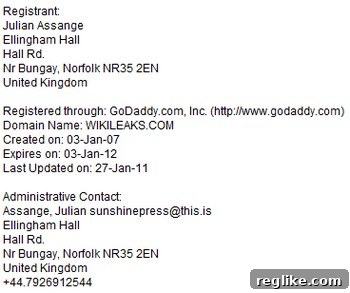
Fortunately for WikiLeaks and its supporters, the situation was rectified. Just recently, the domain name wikileaks.com was successfully renewed and, according to updated whois information, is now officially registered in the name of Julian Assange. This act of renewal and registration under Assange’s direct ownership brings a crucial piece of the digital puzzle under the control of the organization’s founder. While the Domain Name System (DNS) for the domain has not yet been updated at the time of this report, still pointing to a holding page, the legal ownership is now definitively established. This transition signifies a decisive step towards consolidating WikiLeaks’ online identity, potentially paving the way for a more unified and streamlined digital strategy across its various platforms.
The strategic importance of owning the .com extension alongside the established .org cannot be overstated for an entity like WikiLeaks. In the public consciousness, the “.com” domain often represents the commercial or primary authoritative presence for many organizations, even non-profits. While “.org” is traditionally associated with non-profit organizations and open-source initiatives, many users instinctively type “.com” when seeking a website. Controlling both extensions mitigates the risk of user confusion, prevents malicious actors from setting up imposter sites at the .com address, and ensures that the organization’s message reaches its intended audience without unnecessary detours or misdirection. For WikiLeaks, an organization that thrives on direct dissemination of information, maintaining a clear and unobstructed digital pathway is paramount to its mission.
WikiLeaks, since its inception in 2006, has redefined the landscape of information dissemination and public transparency. Founded by Julian Assange, the organization’s primary goal has been to publish classified, censored, or otherwise restricted materials involving war, spying, and corruption. Its groundbreaking publications, such as the Afghan War Logs, the Iraq War Logs, and Cablegate – a vast trove of U.S. diplomatic cables – sent shockwaves across the globe, sparking intense debates about national security, government secrecy, journalistic ethics, and the public’s right to know. These leaks exposed sensitive diplomatic communications, alleged war crimes, and governmental misconduct, drawing both immense praise for promoting transparency and fierce condemnation for potentially endangering lives and national interests.
Julian Assange himself has become an iconic and polarizing figure in the digital age. A programmer and hacker from Australia, Assange emerged as the face of WikiLeaks, embodying its ethos of radical transparency. His personal journey has been intertwined with legal battles, including accusations of sexual assault (which he denied) and charges related to espionage in the United States, stemming from the publication of classified documents. These legal challenges have seen him seek asylum in the Ecuadorian embassy in London for nearly seven years before his eventual arrest and ongoing extradition proceedings. Despite his physical confinement, his influence over WikiLeaks’ operations and strategic direction has remained significant, making his direct ownership of wikileaks.com a symbolic and practical victory for the organization he founded.
The saga of the wikileaks.com domain also highlights broader issues within internet governance and digital real estate. Domain names are not merely technical addresses; they are foundational elements of a brand’s online identity, critical for credibility, accessibility, and trust. For organizations like WikiLeaks, which frequently operate in hostile environments and face concerted efforts to disrupt their online operations, securing and controlling all relevant domain names is a vital defensive strategy. The potential for domain seizures, DDoS attacks, and other forms of digital censorship makes robust domain management an indispensable component of their operational resilience. The internet, while designed for open communication, is also a battleground for information control, and owning key domains is akin to controlling strategic territories in this digital war.
Looking ahead, Assange’s direct ownership of wikileaks.com could signal a more coherent and robust digital strategy for the organization. It allows for a more unified branding approach, ensuring that all online traffic directed to variations of “wikileaks” eventually leads to the official channels. This can significantly reduce the risk of misinformation, phishing attempts, and brand hijacking, which are constant threats to high-profile and controversial entities. The image above, depicting the wikileaks.com holding page, is a temporary state. The expectation is that this domain will eventually host content, redirect to wikileaks.org, or be integrated into a broader content delivery network, further cementing WikiLeaks’ online presence and making it more resilient to future attempts at disruption.
In conclusion, the acquisition of wikileaks.com by Julian Assange transcends a simple administrative update. It is a powerful affirmation of control over a crucial piece of digital infrastructure by an organization that has continually battled for its right to exist and disseminate information in the face of immense pressure. This event is a testament to the enduring importance of domain names as strategic assets in the digital age, particularly for entities navigating the complex intersections of transparency, national security, and global activism. As the digital landscape continues to evolve, the ability to effectively manage and protect one’s online identity remains a cornerstone of influence and resilience for organizations that seek to challenge conventional narratives and shape public discourse.