
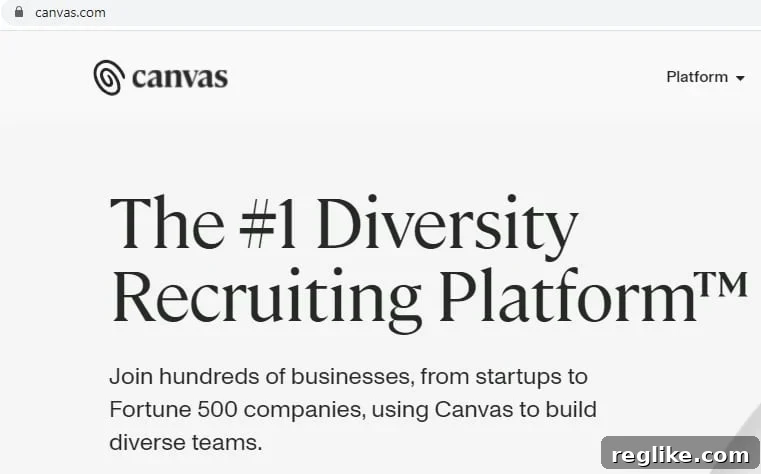
Urgent Rebranding Ahead: Canvas.com Faces Legal Deadline After Trademark Infringement Ruling
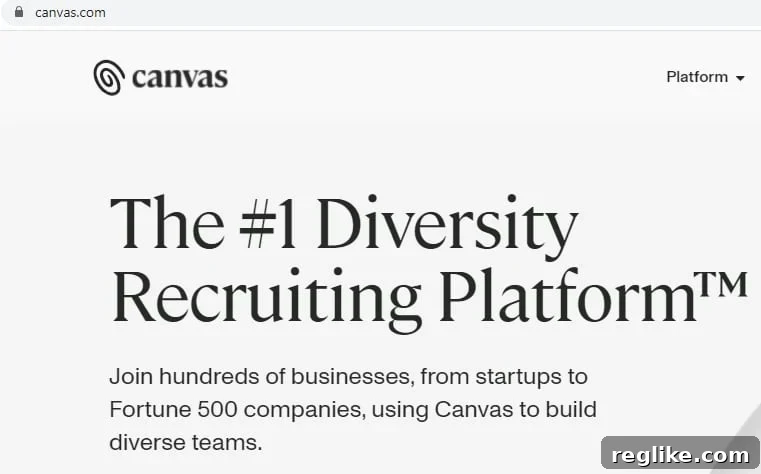
The digital landscape is rife with stories of innovation, competition, and sometimes, intense legal battles over intellectual property. One such high-stakes saga has reached a pivotal moment, compelling the company operating as Canvas.com to undertake a rapid and comprehensive rebranding effort. This significant development stems from a protracted legal dispute involving Instructure, the well-known provider of the Canvas Learning Management System (LMS), which asserted trademark infringement and cybersquatting against the smaller entity.
The Genesis of a Trademark Dispute: Instructure vs. Canvas.com
The conflict began when Instructure, a prominent player in educational technology with its globally recognized Canvas brand, initiated a lawsuit against the company behind Canvas.com. Instructure alleged that the defendant’s use of the “Canvas” brand and the corresponding domain name directly infringed upon its established trademark. Furthermore, the lawsuit included claims of cybersquatting, arguing that Canvas.com was utilizing the domain in bad faith, aiming to capitalize on the goodwill and recognition associated with Instructure’s existing Canvas brand.
Trademark law is designed to protect consumers from confusion and businesses from unfair competition. When two companies operate under similar or identical brand names, especially within related industries or digital spaces, it often leads to consumer misdirection and dilution of established brand equity. Instructure’s legal action underscored its commitment to defending its intellectual property rights and maintaining the distinct identity of its Canvas platform in the competitive online environment. The core of the dispute revolved around whether the defendant’s branding created an unacceptable level of confusion with Instructure’s long-standing and widely adopted educational technology solution.
District Court’s Decisive Injunction
On January 5, U.S. District Court Judge Kimball Dale Kimball delivered a significant blow to Canvas.com, granting a preliminary injunction in favor of Instructure (NYSE: INST). This judicial order was far-reaching and immediately impactful, dictating that Canvas.com must cease using the Canvas brand, delete all online posts that reference the brand, and, critically, stop using the canvas.com domain name. The court allowed a mere 15 days for the company to comply with these stringent directives, setting a deadline of January 20. Such a short timeframe for a complete brand and domain overhaul is virtually unprecedented in the business world, highlighting the urgency and seriousness with which the court viewed the alleged infringement.
However, despite the clear and unequivocal nature of the court’s order, Canvas.com did not adhere to the deadline. The company continued to operate under the “Canvas” brand and maintain its presence on the canvas.com domain, signaling its intent to challenge the ruling. This non-compliance set the stage for further legal skirmishes and intensified the pressure on the defendant, as the judicial system typically views non-compliance with court orders very seriously.
The Appeal Denied: A Final Blow from the Tenth Circuit
In an attempt to overturn or at least temporarily suspend the District Court’s preliminary injunction, Canvas.com subsequently appealed the decision to the Tenth Circuit Court of Appeals. The company sought a stay of the injunction, hoping to gain more time and a potential reversal of the obligation to rebrand. However, in a development that dramatically narrowed Canvas.com’s legal options, the Tenth Circuit Court of Appeals formally denied (pdf) Canvas.com’s request to stay the District Court’s injunction. This denial effectively upheld the lower court’s ruling and eliminated any immediate legal recourse for the company to continue operating under its current brand and domain.
The appellate court’s decision underscores the strength of Instructure’s trademark claims and the judiciary’s commitment to enforcing intellectual property rights. For Canvas.com, this ruling means that the injunction remains fully in effect, demanding immediate compliance. With the appeal avenue exhausted, the company now faces an undeniable imperative to initiate a comprehensive rebranding strategy without further delay.
Threat of Contempt of Court Looms
Adding to the mounting pressure, Judge Kimball Dale Kimball had, just prior to the Tenth Circuit’s decision, issued an order to show cause, threatening to find Canvas.com in contempt of court for its continued defiance of the initial injunction. The judge demanded that Canvas.com explain, by a specific deadline, why it had not ceased using the infringing brand and domain. Being held in contempt of court can carry severe consequences, including significant fines and, in some cases, even more drastic penalties for corporate officers.
With the appeal now definitively dismissed, Canvas.com is unequivocally “up against a wall.” The option of a temporary rebrand, as perhaps subtly suggested by the District Judge as a tactical maneuver to continue fighting the core lawsuit, becomes incredibly complex. In practice, embarking on a temporary brand identity only to potentially revert to the original “Canvas” brand at a later date would be an almost insurmountable logistical and financial challenge, likely leading to profound market confusion and brand erosion. The denial of the stay means the time for legal maneuvering is essentially over, and the time for decisive business action has arrived.
The Immense Challenge of a Rapid Rebrand
The mandate to change a brand and domain name, especially under court order and with extreme urgency, presents a formidable challenge for any company. As the original article astutely points out, changing a domain name is inherently difficult, even when undertaken proactively and with ample planning. Judge Kimball’s initial 15-day window was already incredibly tight; now, approximately 30 days into the dispute, the pressure for a swift turnaround remains intense. The process of rebranding extends far beyond merely choosing a new name; it necessitates a complete overhaul of a company’s identity and its digital footprint.
The Complexities of Digital Rebranding:
- Domain Name Acquisition: Identifying and securing a new, suitable, and legally clear domain name is the first critical step. This involves extensive availability checks, potential negotiations with current domain holders, and ensuring the new domain aligns with the company’s refreshed brand identity.
- Website and Digital Asset Overhaul: Every aspect of the existing website – logos, graphics, textual content, internal links, and calls to action – must be updated. This also extends to all associated digital assets, including mobile applications, email templates, and online documentation.
- Search Engine Optimization (SEO) Impact: A domain change can have a devastating impact on accumulated SEO authority. Implementing 301 redirects from the old domain to the new one is crucial but does not guarantee the retention of all search rankings. Extensive SEO work will be required to rebuild search visibility under the new brand.
- Marketing and Communication: All marketing collateral, both digital and physical, must be updated. This includes advertising campaigns, social media profiles, press releases, business cards, and stationery. More importantly, a clear and consistent communication strategy is needed to inform existing customers, partners, and stakeholders about the change, explaining the reasons and reassuring them about continuity of service.
- Customer and User Experience: Rebranding can lead to initial confusion among users. Managing this transition to minimize disruption and maintain customer trust is paramount. This includes updating login portals, support channels, and any user-facing interfaces.
- Legal and Administrative Updates: New trademark applications for the chosen brand will be necessary. Company registrations, legal documents, vendor agreements, and internal systems must all reflect the new identity.
- Brand Equity and Recognition: The “Canvas” brand had likely built some level of recognition among its user base. A forced name change means starting almost from scratch in terms of building a new brand identity, which can be costly and time-consuming in terms of marketing and public relations efforts.
Given these profound challenges, the most pragmatic approach for Canvas.com now appears to be choosing a definitive new brand and then engaging in negotiations with Instructure. Such negotiations would primarily aim to secure a reasonable timeline for the extensive transition required. While Instructure holds the upper hand legally, a mutually agreed-upon transition plan could potentially avert further enforcement actions and allow Canvas.com to execute its rebranding with slightly less chaos, focusing on business continuity rather than fighting legal battles.
Broader Implications for Brand Strategy and Intellectual Property
The Canvas.com case serves as a stark reminder for all businesses about the critical importance of intellectual property diligence. Before launching a brand, product, or service, comprehensive trademark searches are not just a recommendation but a necessity. Operating with a brand or domain name that potentially infringes on an existing trademark carries immense risks, as demonstrated by this case. The financial costs of litigation, rebranding, and potential loss of business can be catastrophic.
This situation also highlights the significant power of intellectual property law in the digital age. As more businesses operate predominantly online, domain names and brand identities become central to their market presence and consumer recognition. Protecting these assets through vigilant legal oversight and enforcement is vital for established players like Instructure. For new entrants, it underscores the need for proactive legal counsel to ensure their chosen brand is unique and defensible from the outset.
Conclusion: An Inevitable Transformation
With the Tenth Circuit Court of Appeals denying its request for a stay, Canvas.com stands at an undeniable precipice. The legal avenues for maintaining its current brand and domain have been exhausted, leaving rebranding not as an option, but as an immediate and non-negotiable directive. The journey ahead will be complex, costly, and demand meticulous planning and execution to mitigate the profound impact on its operations, customer base, and market standing.
This case is a powerful testament to the unwavering importance of intellectual property rights in a globalized and digitally interconnected economy. For Canvas.com, the focus must now shift entirely from litigation to strategic transformation, navigating the turbulent waters of a complete brand overhaul while striving to maintain its business integrity and customer loyalty. The coming weeks and months will define its ability to adapt and emerge with a new, distinct, and legally sound identity.