
Sedo’s Q1 2010 Report: Navigating Growth and Market Challenges in the Domain Industry
In the dynamic and ever-evolving landscape of the internet, domain names stand as the foundational pillars of online identity. As a leading global marketplace for buying and selling these crucial digital assets, Sedo (Search Engine for Domain Offers) plays a pivotal role in connecting buyers and sellers worldwide. The company’s performance metrics often serve as an insightful barometer for the broader health and trends within the domain name industry. Sedo’s first quarter 2010 report provided a mixed bag of results, highlighting robust growth in its customer base alongside a period of financial adjustment.
At the heart of Sedo’s operations is its comprehensive platform for domain name brokerage and domain parking. This dual approach allows Sedo to cater to a wide spectrum of users, from individuals looking to monetize unused domain names through parking, to businesses and investors seeking to acquire premium digital real estate. The Q1 2010 report underscored Sedo’s enduring appeal and market penetration, revealing a consistently expanding community of users who trust the platform for their domain transactions.
Sedo’s Expanding Global Footprint: A Growing Community of Domain Enthusiasts
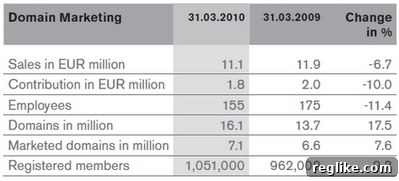
The first quarter of 2010 marked a significant milestone for Sedo in terms of user acquisition and platform engagement. According to the company’s report, its registered membership base had swelled to an impressive 1,051,000 registered members. This figure is a testament to Sedo’s strategic efforts in cultivating a broad and active community, solidifying its position as a go-to destination for domain name transactions. A large and active user base is crucial for any marketplace, as it ensures liquidity and diverse opportunities for both buyers and sellers, fostering a vibrant ecosystem for domain trading.
Beyond its growing membership, Sedo’s platform continued to be a colossal repository of digital assets. The report indicated that the company managed a staggering 16.1 million domain names on its platform. This vast inventory positions Sedo as one of the most comprehensive marketplaces globally, offering an unparalleled selection of domain names across various extensions and price points. Crucially, out of this immense collection, 7.1 million domain names were actively available for sale, demonstrating a robust and dynamic marketplace ready to meet the demands of a diverse clientele, from startups to established enterprises looking to secure their online presence.
The Strategic Advantage of a Diverse Domain Portfolio
The sheer volume of domain names under Sedo’s management, particularly those available for sale, highlights its strategic importance in the global domain market. This extensive inventory includes a wide range of categories, from highly sought-after generic domains and brandable names to country-code top-level domains (ccTLDs) and new gTLDs (generic Top-Level Domains) that were on the horizon. For potential buyers, this means a higher probability of finding the perfect domain to match their brand, business, or investment strategy. For sellers, it means access to a massive audience of motivated buyers, facilitating quicker and more profitable transactions. This robust inventory management is a cornerstone of Sedo’s competitive advantage, ensuring its relevance and continued growth in a fiercely competitive industry.
Navigating Financial Headwinds: A Closer Look at Q1 2010 Performance
While customer growth and inventory expansion painted a picture of market leadership, Sedo’s financial performance in Q1 2010 presented a more challenging narrative. The report detailed a noticeable decline in key financial indicators, reflecting broader economic pressures and specific industry dynamics that were at play during that period. Sales experienced a downturn of 6.7% compared to the same quarter in the previous year, indicating a slight contraction in revenue generation. This sales dip consequently impacted the company’s profitability, with earnings falling by 10%.
Further reflecting a period of adjustment, Sedo also saw a reduction in its workforce. The company’s employee base decreased from 175 to 155 within a year. Such reductions often signal a company’s efforts to optimize operational efficiency and streamline costs in response to market conditions or a re-evaluation of its strategic priorities. In 2010, the global economy was still grappling with the lingering effects of the 2008 financial crisis, which likely contributed to a more cautious spending environment for businesses and individuals, impacting the domain market at large.
Factors Influencing the Financial Downturn
Several factors could have contributed to Sedo’s financial performance in Q1 2010. The economic climate post-2008 recession meant that many businesses tightened their budgets, potentially reducing discretionary spending on premium domain names or new online ventures. Additionally, the domain parking segment, which relies heavily on advertising revenue, could have been impacted by reduced advertising budgets across industries. Increased competition from emerging marketplaces or alternative digital marketing channels might also have exerted pressure on Sedo’s market share and pricing power. Despite these challenges, the consistent growth in its user base underscored the fundamental strength and long-term potential of the domain market, suggesting that the financial dip might be a temporary recalibration rather than a systemic issue.
Sedo’s Strategic Vision: Anticipating a Market Rebound and Future Growth
Despite the short-term financial setbacks, Sedo’s leadership maintained a forward-looking and optimistic outlook, anticipating a significant reversal of these trends in the near future. The company’s strategic assessment articulated a clear path for sustained growth beyond 2010. Their statement provided valuable insight into their perception of the market and their plans to navigate it:
In the field of Domain Marketing, in which we hold a leading global position, we expect a slight general decline in 2010 and a return to growth from 2011 onward. We shall continue to invest in our domain inventory and cooperate increasingly with partners in the field of domain trading in 2010.
This declaration reflects Sedo’s deep understanding of the cyclical nature of the domain market and its resilience. The expectation of a “slight general decline in 2010” acknowledged the immediate challenges, but the confident prediction of “a return to growth from 2011 onward” highlighted the company’s belief in the long-term upward trajectory of the domain industry. This anticipated rebound was likely predicated on a projected global economic recovery, coupled with the increasing recognition of domain names as indispensable digital assets for businesses and individuals alike.
Strategic Investments for Future Dominance
Sedo’s strategy to counteract the short-term decline was clear: continued investment and expanded partnerships. The commitment to “invest in our domain inventory” signifies a proactive approach to strengthening its core offering. By acquiring more valuable domain names or improving the infrastructure for managing existing ones, Sedo aims to enhance its appeal to both buyers seeking premium assets and sellers looking for effective monetization. This investment ensures that as the market recovers, Sedo will be well-equipped with an even more robust and diverse portfolio, ready to meet surging demand.
Furthermore, the plan to “cooperate increasingly with partners in the field of domain trading” is a shrewd move to expand its reach and influence. Such partnerships could involve collaborating with domain registrars, web hosting providers, intellectual property lawyers, or other online marketplaces. These collaborations can lead to new lead generation channels, specialized brokerage services, and enhanced market intelligence, creating a synergistic effect that benefits all parties. By leveraging external expertise and broader networks, Sedo aimed to solidify its global leadership and adapt to the evolving complexities of the domain trading ecosystem.
The Enduring Value of Domain Names in the Digital Economy
Sedo’s Q1 2010 report, despite its mixed financial signals, serves as a powerful reminder of the enduring significance of domain names in the digital age. In a world increasingly reliant on online presence, a strong, memorable domain name is more than just an address; it is a brand identity, a critical piece of intellectual property, and often the first point of contact between a business and its customers. Marketplaces like Sedo provide the essential infrastructure that allows these valuable digital assets to be traded efficiently and transparently, fostering innovation and facilitating the growth of the internet economy.
The prediction of a market rebound from 2011 onward proved largely accurate for the domain industry, which has seen continuous growth driven by new technologies, expanding global internet penetration, and the increasing sophistication of online businesses. Sedo, with its strategic investments in inventory and partnerships, was clearly positioning itself to capitalize on this anticipated upswing. Its ability to grow its customer base even during a challenging financial period underscores the fundamental demand for its services and its pivotal role in enabling the acquisition and monetization of digital real estate.
Conclusion: Sedo Poised for Future Success in a Growing Market
Sedo’s first quarter 2010 report offered a comprehensive snapshot of a company navigating a complex market environment. While facing financial headwinds characterized by a dip in sales and earnings, the company demonstrated remarkable strength in its core operations, significantly expanding its customer base and maintaining a vast inventory of domain names. This dual performance highlighted Sedo’s resilience and its strategic foresight.
By articulating a clear vision for recovery and growth from 2011 onwards, backed by commitments to invest in its domain inventory and forge stronger partnerships, Sedo was proactively laying the groundwork for future success. The report ultimately underscored the dynamic nature of the domain name industry itself – an industry that, despite occasional fluctuations, continues to be a vital component of the global digital economy. Sedo’s strategic positioning and unwavering commitment to its core mission ensure its continued prominence as a leading facilitator in the exciting world of domain name trading.