
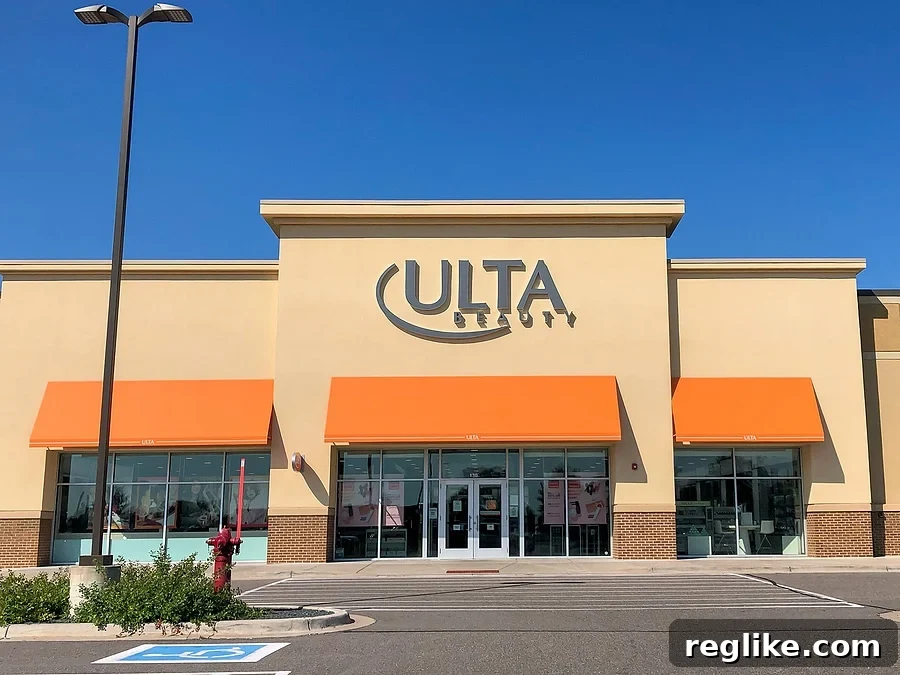
The domain owner offered to transfer the domain but then won the dispute.
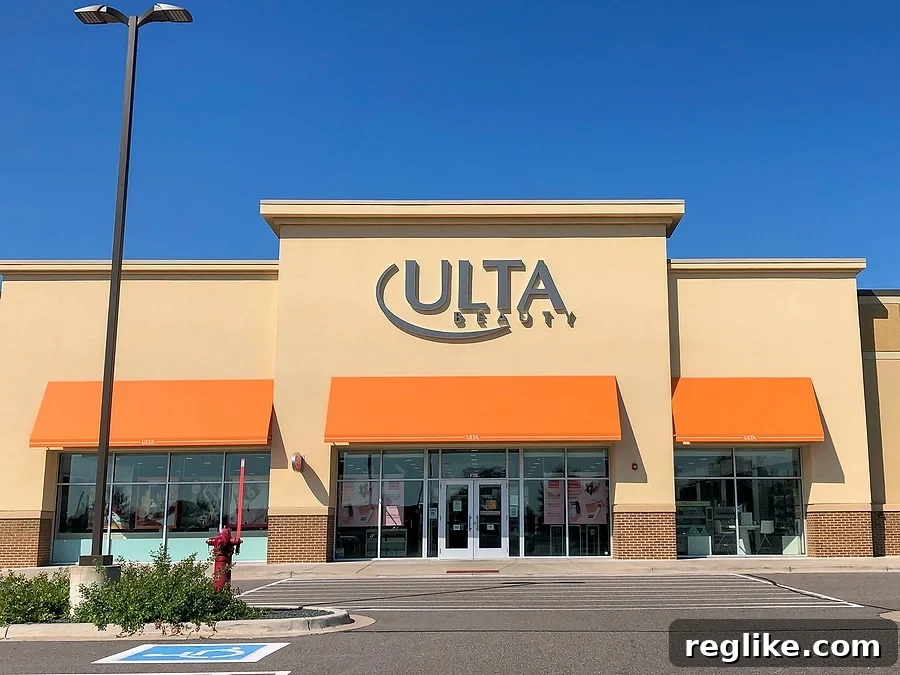
A Costly Oversight: Ulta’s Unexpected Loss in a Key Domain Dispute
In the intricate and often contentious world of online brand protection, the outcome of a recent Uniform Domain-Name Dispute-Resolution Policy (UDRP) case has garnered significant attention from legal experts and digital asset managers alike. This particular dispute involved Ulta Beauty (NASDAQ: ULTA), the leading American chain of beauty stores, as the complainant, and the registrant of UltaChat.com. What began as a standard cybersquatting complaint by a major brand against a seemingly infringing domain name took an unexpected turn, culminating in a surprising defeat for Ulta. The most remarkable aspect of this case? The domain registrant had, prior to the formal proceedings, offered to transfer UltaChat.com to Ulta for free—an offer that, astonishingly, went unaddressed by Ulta’s legal counsel.
This decision serves as a stark reminder that even well-established brands, supported by prominent legal teams, are not immune to setbacks in domain disputes, especially when critical strategic opportunities are missed. For businesses and legal professionals navigating the complexities of trademark enforcement in the digital age, the UltaChat.com case provides a compelling lesson in communication, due diligence, and the nuanced interpretation of “bad faith” under UDRP policy.
The Origins of the UltaChat.com Conflict
Ulta Beauty, with its widespread physical presence and robust online brand, naturally seeks to protect its intellectual property across all digital fronts. The registration of UltaChat.com, bearing a direct resemblance to the “Ulta” trademark, raised immediate concerns regarding potential consumer confusion, brand dilution, and the possibility of cybersquatting. To defend its brand integrity and digital footprint, Ulta initiated a UDRP complaint against the individual registrant of the domain.
The respondent, identified as a serial entrepreneur, offered a compelling explanation for his acquisition of UltaChat.com. He stated that the domain was part of a larger portfolio of domain names he registered with the intent of developing a new chat application. This practice, where entrepreneurs secure multiple domain names during the conceptualization and development phases of a project, is not uncommon. While UltaChat.com was initially considered, the respondent ultimately chose a different domain for his final product launch. This underlying motivation proved to be a critical factor in the UDRP panel’s assessment of his legitimate interests and lack of bad faith.
A Missed Opportunity: The Unanswered Transfer Offer
A pivotal moment in this dispute occurred even before the formal UDRP response deadline. The domain registrant, demonstrating what appeared to be good faith, extended an offer to transfer UltaChat.com to Ulta. The condition attached was simple: Ulta needed to agree to the transfer before the registrant was required to submit his formal response to the UDRP complaint. Such an offer is frequently interpreted as a clear indication that the registrant is not holding the domain for speculative purposes or with an intent to profit from the trademark owner, which are hallmarks of classic cybersquatting.
However, despite this clear and favorable pathway to resolution, Ulta’s legal representatives at Barnes & Thornburg LLP reportedly did not respond to the registrant’s offer. This lack of engagement ultimately transformed what could have been a quick, cost-free acquisition into a protracted and, as it turned out, unsuccessful legal battle. This strategic oversight highlights the immense importance of proactive communication and responsiveness in resolving domain disputes, particularly when offered an advantageous settlement.
Deconstructing the UDRP: The Criteria for a Successful Complaint
To fully appreciate the panel’s decision and Ulta’s loss, it’s crucial to understand the three cumulative elements a complainant must prove under the Uniform Domain-Name Dispute-Resolution Policy (UDRP). The UDRP, overseen by ICANN-approved providers like the National Arbitration Forum, is designed to resolve instances of abusive domain name registration, or cybersquatting. For a complainant to succeed, they must demonstrate:
- The domain name is identical or confusingly similar to a trademark or service mark in which the complainant has rights. In the UltaChat.com case, there was little contention here. The similarity between “UltaChat.com” and the “Ulta” trademark was evident and widely acknowledged. This criterion was almost certainly met by Ulta.
- The registrant has no rights or legitimate interests in respect of the domain name. This element often forms the core of the defense for registrants. Legitimate interests can include using the domain for a bona fide offering of goods or services, being commonly known by the domain name, or making legitimate noncommercial or fair use. The respondent’s explanation of using UltaChat.com as a candidate for a new chat application directly addressed this point.
- The domain name has been registered and is being used in bad faith. This is frequently the most challenging element for complainants to prove. Bad faith typically involves registering a domain primarily to sell it to the trademark owner for profit, disrupting a competitor’s business, preventing a trademark owner from reflecting their mark in a domain name, or attracting internet users for commercial gain by creating a likelihood of confusion. Without clear evidence of such intent, proving bad faith becomes difficult.
The Panelist’s Decisive Rationale and Outcome
National Arbitration Forum panelist David Sorkin meticulously reviewed the arguments and evidence presented by both parties. His decision ultimately favored the domain registrant, primarily by concluding that Ulta failed to sufficiently prove the second and third UDRP elements—namely, that the registrant lacked legitimate interests and, crucially, that the domain was registered and used in bad faith.
Sorkin found the respondent’s explanation regarding the purpose of registering UltaChat.com to be “plausible.” The idea that it was one of several domain names secured for a prospective chat application provided a credible, non-abusive reason for its acquisition. While the panelist acknowledged that this claim was “unsubstantiated” by extensive third-party documentation, he noted that it was “at least consistent with the evidence before the Panel.”
The most compelling piece of “evidence,” as highlighted by the panelist, was the respondent’s repeated offers to transfer the domain name to Ulta. These offers, which notably did not involve any demand for payment, played a decisive role in undermining Ulta’s claim of bad faith. Sorkin explicitly stated:
Respondent claims that he registered the disputed domain name along with other domain names as candidates for a product to be launched by his company, and that a different name ultimately was selected. The Panel considers that claim to be plausible, and although unsubstantiated it is at least consistent with the evidence before the Panel, including Respondent’s repeated offers to transfer the domain name to Complainant (to which Complainant does not appear to have responded). There is no indication that Respondent was seeking or expecting payment in exchange for transferring the domain name to Complainant, at least provided that resolution could be agreed upon prior to Respondent’s deadline to submit his Response in this proceeding.
This critical observation dismantled the core of Ulta’s argument for bad faith. Without evidence of an intent to profit from the trademark or to disrupt Ulta’s business, the panel concluded that the registrant’s actions did not meet the UDRP criteria for cybersquatting. Consequently, Ulta’s complaint was denied, leaving UltaChat.com in the hands of its current registrant.
Profound Lessons from UltaChat.com: A Legal Misstep
The UltaChat.com UDRP case is a significant teaching moment for all stakeholders in the domain name ecosystem. For Ulta, the outcome represents a double loss: not only did they fail to secure a domain highly relevant to their brand, but they also incurred legal expenses for a dispute they ultimately lost, having bypassed a free and amicable resolution. The reputational implications for their legal team, Barnes & Thornburg LLP, are also noteworthy.
Key Takeaways for Brand Owners and Complainants:
- Embrace Settlement Offers: Never dismiss offers to settle, especially those involving a free transfer. Such offers can significantly impact a UDRP panel’s assessment of the registrant’s intent and good faith. Ignoring them is a costly gamble.
- Conduct Comprehensive Due Diligence: Before filing a UDRP, thoroughly investigate the registrant’s background, the history of the domain, and any plausible legitimate interests they might have. Proactive research can reveal opportunities for early, amicable resolution.
- Strategic Communication is Paramount: Legal counsel must maintain open and responsive communication channels throughout the dispute process. Failing to respond to a registrant’s offer can be interpreted unfavorably by the panel.
- The Nuance of “Bad Faith”: Trademark similarity alone is insufficient for a UDRP win. Complainants must present compelling evidence of bad faith registration and use, which often requires demonstrating a clear intent to profit from or disrupt the trademark owner.
Vital Advice for Domain Registrants and Respondents:
- Document Your Intent: If you register domain names for legitimate business development, personal projects, or as part of a portfolio, maintain clear records and documentation supporting your purpose. This evidence is invaluable in defending against UDRP complaints.
- Demonstrate Good Faith: If contacted by a trademark holder, consider offering to transfer a non-essential domain for free or at cost. Such actions strongly convey good faith and can be a powerful defense against claims of abusive registration.
- UDRP is Not Automatic: This case emphatically demonstrates that UDRP panels conduct thorough reviews. Trademark holders do not automatically win; a well-articulated defense, supported by good faith actions, can lead to a victory for the registrant.
Critical Insights for Legal Professionals:
- Educate Clients Thoroughly: Attorneys must ensure their clients understand the intricacies of UDRP criteria, especially the high bar for proving bad faith, and the strategic importance of responding to settlement proposals.
- Assess Cost-Benefit Ratios: A detailed cost-benefit analysis should always precede UDRP filings. When a free transfer is available, pursuing formal dispute resolution may be an unnecessary expenditure of time and resources.
- Maintain Professional Reputation: Legal firms handling domain disputes must prioritize clear strategy and client communication to avoid outcomes that could negatively impact their professional standing.
The Broader Implications for Digital Brand Protection
In an era where a brand’s online presence is as crucial as its physical footprint, domain names represent significant digital assets. The UltaChat.com dispute highlights the ongoing tension between safeguarding established trademarks and accommodating legitimate domain registration practices. While the UDRP remains an essential tool for combating clear instances of cybersquatting, this case underscores its limitations and the need for a comprehensive approach to digital asset protection. This approach should encompass:
- Proactive Domain Monitoring: Regularly scanning for new domain registrations that incorporate or are confusingly similar to key trademarks.
- Strategic Portfolio Management: Acquiring essential domain variations preemptively to mitigate future disputes.
- Prioritizing Alternative Dispute Resolution: Exploring direct negotiations, mediation, and settlement opportunities before resorting to formal UDRP proceedings or litigation.
- Integrated IP Strategy: Ensuring that domain name strategy is fully integrated into a broader intellectual property protection framework, aligning legal and marketing objectives.
Conclusion: A Missed Opportunity, A Clear Warning
The UltaChat.com UDRP case stands as a compelling illustration of how a crucial lapse in legal strategy and communication can lead to a wholly unfavorable outcome for even a prominent brand. Ulta, with its substantial resources and legal backing, not only missed the chance to acquire a highly relevant domain name for free but also ultimately lost the UDRP case itself. The panelist’s ruling unequivocally demonstrated that the registrant’s plausible explanation for registering the domain, coupled with his consistent good-faith offers to transfer it without seeking payment, effectively undermined Ulta’s ability to prove bad faith.
This incident serves as a potent warning to all entities involved in brand protection: in the complex landscape of domain disputes, vigilance, strategic responsiveness, and a thorough understanding of UDRP nuances are not merely desirable—they are absolutely essential. Failing to engage with reasonable settlement offers can transform an easily resolvable issue into a protracted and costly defeat, leaving both clients and their legal counsel in a challenging position to explain what was, “Ulta-mately, a bad decision.”