
The Digital Heist: Popular Brazilian Vehicle Price Website TabelaFipeBrasil.com Hijacked in Shocking Domain Theft
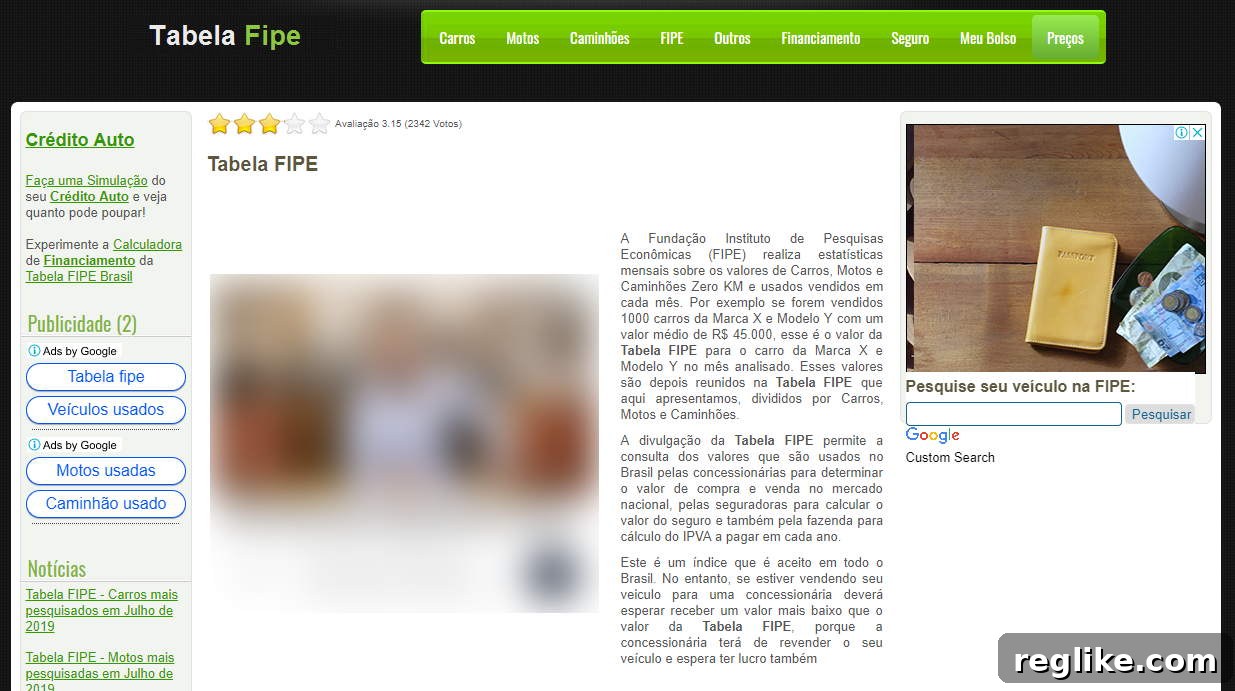
In a deeply concerning development for online intellectual property and digital asset security, TabelaFipeBrasil.com, a prominent website dedicated to tracking vehicle prices across Brazil, has allegedly been stolen. The domain name and its associated content were reportedly hijacked from their rightful owner, casting a stark light on the vulnerabilities inherent in the digital landscape. This alarming incident has culminated in a formal lawsuit (pdf) seeking justice and the return of a valuable online asset.
The Heart of Brazil’s Automotive Market: TabelaFipeBrasil.com’s Enduring Legacy
TabelaFipeBrasil.com stands as a cornerstone resource for millions of Brazilians navigating the complex world of vehicle transactions. Conceived and meticulously developed by its founder, João Almeida, the website quickly became an indispensable tool for accessing the FIPE table – a crucial reference index that provides average vehicle prices for various models and years. This data is vital for everything from private sales and insurance valuations to financing decisions and market analysis. Launched in 2013, Almeida’s vision for an accessible, user-friendly platform resonated profoundly with the public.
The site’s unparalleled popularity is undeniable. According to the filed lawsuit, TabelaFipeBrasil.com boasted an astonishing 2.5 million page views in the last month alone, a testament to its daily relevance and widespread adoption. Since its inception, the platform has captivated an audience leading to a cumulative total of over 93 million page views. These figures underscore not just the site’s reach, but its integral role in the Brazilian automotive ecosystem, making its alleged theft an event with significant ramifications for both its creator and its vast user base.
The Anatomy of a Digital Heist: How Domains Are Stolen
The details surrounding the alleged theft paint a troubling picture of digital insecurity. João Almeida discovered that his prized domain, TabelaFipeBrasil.com, had been illicitly removed from his domain registrar account and subsequently transferred to an unknown entity. This process, often referred to as domain hijacking or domain theft, typically involves unauthorized access to a domain owner’s account. Such access can be gained through various malicious tactics, including phishing scams, compromised credentials, or exploiting vulnerabilities in the registrar’s security protocols. Once access is obtained, the perpetrator can initiate a domain transfer, effectively wresting control and ownership from the legitimate owner.
The ease with which a valuable digital asset can be transferred highlights the critical importance of robust security practices. Domain registrars are entrusted with the stewardship of these digital properties, and any breach in their systems or lax security measures on the part of account holders can lead to catastrophic consequences. For Almeida, this meant waking up to the grim reality that years of hard work, dedication, and investment had been seized in an instant, fundamentally disrupting his livelihood and the service he provided to millions.
Monetization and Malice: The Thief’s Exploitation of Adsense
Beyond the simple act of theft, Almeida’s lawsuit alleges a clear motive: financial gain. The thief is reportedly capitalizing on the site’s enormous traffic by displaying Google Adsense advertisements and collecting the generated revenue. This practice is particularly galling for Almeida, as it means the perpetrator is directly profiting from his stolen intellectual property and the established reputation of TabelaFipeBrasil.com.
A closer examination of the website’s current state reveals compelling evidence supporting this claim. A comparison of the Google Adsense code currently active on TabelaFipeBrasil.com with historical data captured by services like Archive.org clearly indicates a change in the Adsense publisher ID. This alteration signifies that the advertising revenue stream has been rerouted from Almeida’s account to an unknown recipient, confirming the alleged thief’s intent to monetize the stolen asset. This act of illicit monetization not only represents a direct financial loss for Almeida but also constitutes a fraudulent misrepresentation to advertisers and users alike, who unknowingly contribute to the thief’s ill-gotten gains.
Leveraging Digital Breadcrumbs: Tracking Thieves Through Adsense IDs
The unique nature of Google Adsense publisher IDs offers a potential avenue for digital forensic investigation. Each publisher is assigned a distinct ID, which acts as a digital fingerprint for their advertising activities. In recent years, certain cybersecurity and law enforcement agencies have begun utilizing these publisher IDs as a tool to track malicious actors across the internet. If a perpetrator uses the same Adsense ID across multiple hijacked or illicit websites, it could create a digital trail linking them to a wider network of cybercrime.
This potential for digital tracing is significant. By analyzing the changed Adsense ID on TabelaFipeBrasil.com, investigators might be able to connect the alleged thief to other domains they control or have previously exploited. Such forensic analysis could provide crucial evidence, not only for the current lawsuit but also for uncovering broader patterns of domain theft and online fraud. It transforms a seemingly anonymous act into a traceable event, offering a glimmer of hope for justice in an often-opaque digital underworld.
Seeking Justice: An In Rem Action in Virginia
To reclaim his digital property and hold the perpetrators accountable, João Almeida has enlisted the expertise of Wiley Rein LLP, a prominent legal firm. They have initiated legal proceedings by filing an in rem action in Virginia, United States. This specific legal strategy is critical and strategically chosen due to the unique jurisdictional landscape of domain names.
An “in rem” action, Latin for “against a thing,” is a legal proceeding directed against property rather than against a particular person. In the context of domain names, an in rem action allows the court to assert jurisdiction over the domain itself, rather than requiring the plaintiff to locate and personally serve the often-anonymous thief. This is particularly advantageous in cases of domain theft, where the identity and location of the culprit may be unknown or deliberately obscured.
The choice of Virginia as the venue for this lawsuit is no coincidence. Virginia is home to Verisign (NASDAQ: VRSN), the sole registry operator for the .com domain extension. As the ultimate authority responsible for managing and maintaining the .com database, Verisign holds the master record for every .com domain, including TabelaFipeBrasil.com. By filing an in rem action in the jurisdiction where Verisign is located, Almeida’s legal team is directly targeting the “property” (the domain name record) at its source, leveraging the court’s power to compel Verisign to take action regarding the domain’s ownership and control. This approach aims to cut through the complexities of international jurisdiction and the anonymity of cybercriminals, offering a direct path to potentially restoring Almeida’s rightful ownership.
Broader Implications for Digital Asset Security and Online Entrepreneurship
The TabelaFipeBrasil.com case transcends a simple dispute over a website; it serves as a stark warning to all online entrepreneurs and intellectual property owners. The increasing value of domain names and digital content makes them prime targets for cybercriminals. This incident underscores several critical lessons:
- Vulnerability of Digital Assets: Even highly popular and seemingly secure websites are susceptible to sophisticated theft.
- Importance of Registrar Security: Domain registrars must implement and enforce the highest standards of security to protect their clients’ assets. Two-factor authentication, strong password policies, and vigilant monitoring are paramount.
- The Fight for Digital Rights: Reclaiming stolen digital property is a complex and often costly endeavor, requiring specialized legal expertise and a clear understanding of international digital law.
- Monetary Incentive for Cybercrime: The ease with which stolen domains can be monetized through advertising networks like Adsense fuels the motivation for such thefts, creating a lucrative criminal enterprise.
This case highlights the ongoing battle between legitimate online businesses and the shadowy figures who seek to exploit vulnerabilities for illicit gain. It calls for enhanced industry-wide security protocols, greater collaboration between registrars, advertising networks, and law enforcement, and a more robust legal framework to protect digital intellectual property.
Conclusion: A Call for Justice and Enhanced Digital Security
The alleged hijacking of TabelaFipeBrasil.com represents a significant blow to its dedicated creator, João Almeida, and a stark reminder of the ever-present threats in the digital realm. The loss of a platform that served millions with vital information, coupled with the audacious act of monetizing the stolen asset, demands immediate and decisive action. As the legal battle unfolds in Virginia, all eyes will be on this case, not just for its specific outcome, but for the precedent it may set in the ongoing fight for digital asset protection. It is a powerful reminder that in the interconnected world, the security of our online presence is paramount, and the pursuit of justice for victims of cybercrime must remain a top priority.