
Unveiling Namecheap’s Proactive Stance Against Online Abuse: A Deep Dive into Domain Registrar Security
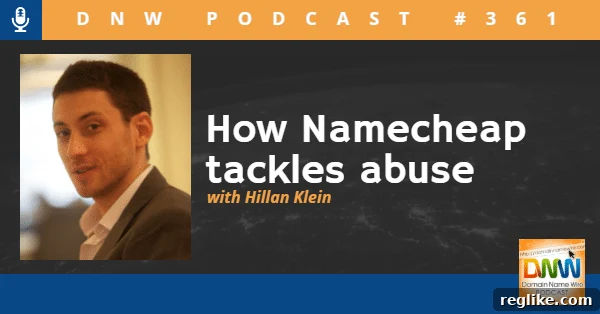
In the vast and ever-expanding digital landscape, domain registrars play a critical role not just in facilitating online presence but also in safeguarding the internet from malicious activities. As one of the world’s leading retail domain registrars, Namecheap stands at the forefront of this ongoing battle against various forms of online abuse. Understanding their strategy and commitment is crucial for anyone interested in internet security, digital privacy, and the operational challenges faced by major service providers.
Following a recent discussion with Tucows CEO Elliot Noss on the pervasive issue of DNS abuse, we now turn our attention to Namecheap’s comprehensive approach. In an exclusive interview, Namecheap COO Hillan Klein sheds light on his company’s robust framework for tackling these complex challenges. His insights reveal a profound dedication to internet safety and a significant investment in protecting users and the integrity of the domain name system.
The Unseen Army: Namecheap’s Massive Investment in Abuse Management
One of the most striking revelations from our conversation with Hillan Klein was the sheer scale of Namecheap’s commitment to combatting online abuse. Klein disclosed that Namecheap employs an astonishing team of over 120 dedicated professionals whose sole focus is to identify, investigate, and mitigate abuse. This figure is not just impressive; it underscores the immense and growing complexity of the digital threats that registrars must contend with daily.
Why does it take such a large team? The answer lies in the multifaceted nature of DNS abuse. This dedicated force addresses a wide spectrum of illicit activities, including but not limited to:
- Phishing and Scams: Websites designed to trick users into revealing sensitive information or falling victim to fraudulent schemes.
- Malware Distribution: Domains hosting malicious software intended to infect user devices.
- Spam and Botnets: Networks of compromised computers used to send unsolicited emails or launch distributed attacks.
- Brand Infringement: Unauthorized use of trademarks and copyrights for deceptive purposes.
- Child Sexual Abuse Material (CSAM): A critical and abhorrent form of abuse that requires immediate and sensitive handling.
Each type of abuse demands specific expertise, intricate investigative processes, and swift action. The diverse skills of Namecheap’s abuse team – ranging from technical analysts to legal experts – are essential for effectively combating these varied threats, ensuring a safer internet for everyone.
Balancing Act: Namecheap’s Philosophy on Privacy and Enforcement
At the heart of Namecheap’s abuse management strategy lies a carefully considered philosophy that seeks to balance user privacy with the imperative to prevent and dismantle harmful online activities. This is often a tightrope walk, especially in an era of heightened awareness around data protection regulations like GDPR and the increasing demand for anonymity online.
Hillan Klein articulated Namecheap’s nuanced position, emphasizing that while they are fierce advocates for user privacy, this principle does not extend to protecting those who engage in illicit behavior. Their approach is rooted in transparency and due process. When an abuse report is filed, Namecheap meticulously investigates the claims, distinguishing between legitimate privacy concerns and instances where user data is being exploited to facilitate harm. This often involves:
- Thorough Investigation: Each report is individually assessed by human experts, not just automated systems, to determine its validity.
- Communication with Registrants: When possible and appropriate, registrants are contacted regarding allegations, offering them an opportunity to address concerns or rectify issues.
- Adherence to Legal Frameworks: Actions are taken in strict accordance with legal mandates, industry best practices, and their own Acceptable Use Policy.
- Data Protection Measures: Ensuring that any necessary disclosure of registrant information for abuse enforcement is done only when legally required and proportionate to the threat, without compromising legitimate privacy rights.
This commitment to a balanced approach ensures that Namecheap remains a trusted platform for legitimate users while actively working to expel bad actors from its ecosystem. It highlights the complex ethical and operational challenges faced by domain registrars in maintaining a secure yet private online environment.
Adapting to Adversity: How the Pandemic Reshaped Abuse Management
The global pandemic, which drastically altered virtually every aspect of daily life, also presented unprecedented challenges for online abuse management. As the world shifted further online for work, education, and social interaction, cybercriminals seized the opportunity to exploit the crisis, leading to a surge in phishing, malware, and misinformation campaigns.
Hillan Klein candidly discussed how the pandemic “upended” Namecheap’s previous abuse management processes, forcing the company to rapidly adapt and innovate. The sudden increase in online activity, coupled with the shift to remote work for their own teams, necessitated significant adjustments. Namecheap responded by:
- Scaling Resources: Quickly expanding their team and technological capabilities to handle the increased volume and complexity of abuse reports.
- Process Re-engineering: Overhauling existing workflows to accommodate remote operations without compromising efficiency or effectiveness.
- Focusing on Emerging Threats: Prioritizing the identification and mitigation of new types of COVID-19 related scams and fraudulent websites.
- Enhanced Collaboration: Strengthening ties with industry partners and law enforcement to share threat intelligence and coordinate responses.
These proactive measures allowed Namecheap to not only maintain but enhance its security posture during a period of immense global disruption, demonstrating resilience and an unwavering commitment to fighting online abuse under pressure.
The Adversary’s Playbook: Clever Tactics to Evade Enforcement
The fight against online abuse is a constant cat-and-mouse game. Bad actors are perpetually evolving their methods to bypass security measures and slow down enforcement. Hillan Klein offered a glimpse into at least one of these “clever approaches” employed by malicious entities, providing a stark reminder of the ingenuity of cybercriminals.
These tactics are designed to frustrate investigators, delay takedowns, and extend the lifespan of their illicit operations. Common methods include:
- Rapid Domain Hopping (Fast Flux DNS): Malicious actors frequently switch the IP addresses associated with their domains, making it difficult for security teams to block them effectively.
- Exploiting Privacy Services: While legitimate privacy services protect user data, criminals often abuse them to mask their identities, complicating investigations.
- Strategic Jurisdictional Shifts: Registering domains or hosting content in countries with less stringent legal frameworks, or frequently transferring domains between different registrars to create bureaucratic hurdles.
- Generating False Reports: Overwhelming abuse desks with a deluge of fraudulent or petty reports against legitimate sites to distract resources from actual threats.
- Legal Threats and Harassment: Attempting to intimidate registrars or security researchers with baseless legal threats to prevent them from taking action.
- Sophisticated Social Engineering: Using advanced psychological manipulation to bypass verification processes or trick users into compromising their accounts.
Understanding these methods is crucial for registrars like Namecheap, allowing them to develop more sophisticated counter-measures and pre-emptive strategies. It’s a testament to the ongoing technological arms race in the cybersecurity world.
Beyond Abuse Management: Broader Industry Highlights
While Namecheap’s abuse management strategies form the core of this discussion, the broader domain name industry continues to evolve with significant developments. Recent highlights from the digital world include important financial disclosures from tech giants like Meta and critical updates from foundational internet infrastructure providers such as Verisign, which manages crucial top-level domains. These earnings reports often provide insights into the health and future direction of the internet economy.
Moreover, the Uniform Domain-Name Dispute-Resolution Policy (UDRP) remains a vital mechanism for resolving domain name disputes, particularly those involving trademark infringement. These policies are critical for protecting intellectual property online. We also note that a recent lawsuit concerning a stolen domain has reportedly been dismissed, reminding us of the intricate legal challenges that can arise in the world of digital assets and the importance of robust security protocols to prevent such incidents.
This episode, DNW361, offers even more granular detail on these topics, providing a comprehensive overview of the current landscape of domain name security and operations.
Sponsor: Dan API Partnership Program
Podcast: Play in new window | Download (Duration: 35:35 — 28.5MB)
Subscribe: Email | RSS
Subscribe via Apple Podcasts to listen to the Domain Name Wire podcast on your iPhone or iPad, or click play above or download to begin listening. (Listen to previous podcasts here.)