WIPO’s Initial Legal Rights Objection Decisions: Key Insights for New gTLD Stakeholders
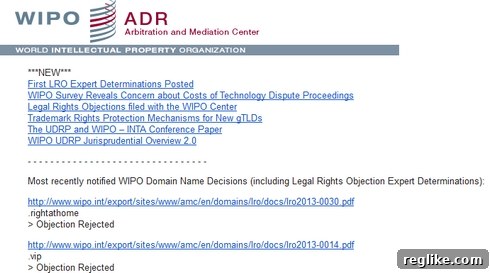
The landscape of the internet is constantly evolving, with new Generic Top-Level Domains (gTLDs) playing a pivotal role in expanding online identity. As part of this expansion, mechanisms for dispute resolution are crucial. The World Intellectual Property Organization (WIPO) has been at the forefront of resolving such disputes, particularly through its Legal Rights Objection (LRO) process. WIPO recently published the outcomes of its first three Legal Rights Objection decisions concerning new gTLDs, providing invaluable insights for brands, applicants, and legal practitioners alike. These initial rulings — pertaining to the proposed .home, .vip, and .rightathome TLDs — saw the objectors lose their respective cases, setting early precedents for how future disputes may be handled. This comprehensive analysis delves into the key takeaways from these groundbreaking decisions, examining the panelists’ approaches, the strategies employed by parties, and the broader implications for the new gTLD program.
Understanding the Significance of WIPO’s Legal Rights Objections
Legal Rights Objections are a critical component of the new gTLD application process, allowing parties to challenge proposed gTLDs on the grounds that their registration or use would infringe existing legal rights. These objections serve as an important safeguard for intellectual property owners, ensuring that the expansion of the domain name space does not come at the cost of brand dilution or consumer confusion. The initial decisions from WIPO, therefore, are not merely administrative rulings; they are foundational judgments that will likely influence countless future cases and shape the legal framework of the internet’s naming system for years to come.
Experienced Arbitrators at the Helm: Familiar UDRP Panelists
One of the striking aspects of these inaugural Legal Rights Objection decisions is the involvement of highly experienced panelists, many of whom are well-versed in the Uniform Domain-Name Dispute-Resolution Policy (UDRP) proceedings. For the .vip objection, Tony Willoughby, a respected figure in domain name disputes, served as the panelist. Robert A. Badgley handled the .rightathome case, while M. Scott Donahey presided over the .home dispute. This continuity in expertise from the UDRP system to the LRO process is a significant advantage. These panelists bring a deep understanding of trademark law, domain name policy, and the nuances of online intellectual property disputes. Their extensive background in resolving complex UDRP cases equips them with the necessary discernment to navigate the novel challenges presented by new gTLD objections, ensuring a degree of consistency and seasoned judgment in these precedent-setting decisions. Their familiarity with arguments related to bad faith, legitimate interests, and trademark rights provides a strong foundation for the fair and efficient resolution of LROs.
Shutting Down “Frontrunning”: A Clear Message Against System Gaming
A recurring theme in the early days of the new gTLD program was the attempt by some entities to “frontrun” the system by acquiring trademarks for generic terms that were also proposed new TLD strings. This tactic involved registering trademarks for terms like “home” or “vip” in various jurisdictions, often with questionable intent regarding actual commercial use, solely to gain leverage in potential objections or to secure the TLD itself. The U.S. Patent and Trademark Office (USPTO) had previously demonstrated its awareness of these tactics, often rejecting such applications that lacked genuine commercial use and appeared designed to exploit the new TLD process. However, some applicants still sought out other jurisdictions in attempts to circumvent such scrutiny.
WIPO’s panelists have proven to be equally astute in identifying and rejecting these speculative maneuvers. They have meticulously scrutinized the evidence presented, often reconstructing timelines of trademark filings in relation to the new TLD program’s development. In the .home case, for instance, the panelist meticulously detailed the chronological sequence of events, effectively demonstrating how the objector’s trademark claims were highly suspect and primarily aimed at gaining an unfair advantage in the new gTLD application process. This strong stance sends a clear message: attempts to artificially create or acquire legal rights solely for the purpose of lodging an objection will not be tolerated. The panelists are effectively calling out “bad faith” in the context of LROs, mirroring the principles applied in UDRP disputes where respondents are often found to have registered domain names in bad faith. The lesson here is profound: genuine commercial use and established legal rights are paramount; manufactured claims intended to “game the system” will inevitably fail under WIPO’s scrutiny, much like the previous attempts to fool the USPTO with dubious Wild West Domains reseller accounts.
The Elusive Concept of Reverse TLD Application Hijacking
In the realm of UDRP, the concept of “Reverse Domain Name Hijacking” (RDNH) exists to deter complainants from filing baseless or abusive complaints against legitimate domain name holders. While an official equivalent term like “Reverse TLD Application Hijacking” doesn’t formally exist within the LRO policy, the spirit of such a concept seems to resonate in WIPO’s initial decisions. Two of the first three decided cases, .home and .vip, arguably present situations where the objections themselves could be considered abusive, given the panelists’ findings regarding the objectors’ intent and the weak foundation of their legal rights claims. This raises questions about whether the LRO policy needs to explicitly address vexatious or opportunistic objections more directly.
However, there is good news for new TLD applicants: unlike UDRP, where both parties generally bear their own costs regardless of the outcome, the “loser pays” principle applies in new TLD objections. This financial disincentive serves as a crucial deterrent against frivolous objections. It places a significant financial burden on those who initiate unfounded challenges, thereby protecting genuine gTLD applicants from prolonged and costly disputes. This policy aims to foster a more responsible approach to filing objections, encouraging parties to assess the strength of their claims thoroughly before proceeding, thus reducing the likelihood of purely speculative or strategic objections.
The Potential for Post-Decision Litigation: A New Chapter?
The initial LRO decisions, while conclusive within the WIPO framework, do not necessarily mark the end of the road for all disputes. I-Registry Ltd., for instance, filed no less than five objections for the .vip string, indicating a substantial investment and strategic interest in this particular gTLD. Having lost its first .vip objection, and with a strong likelihood of losing the others based on consistent panelist reasoning, the question arises: will I-Registry Ltd. pursue litigation to further its claims? The motivations for such a move are clear: significant financial and strategic investment, coupled with a deep-seated belief in their rights, could push an applicant to escalate the dispute beyond WIPO’s arbitration. While I-Registry Ltd.’s specific intentions are unknown, the broader implications are significant. Many applicants in the new gTLD program have invested heavily and are fiercely competitive. The frustration of losing an LRO, especially when they believe their claims are legitimate, could easily spill over into courtrooms. Even if such lawsuits ultimately fail, they can introduce delays, generate substantial legal costs for all parties involved, and create an atmosphere of uncertainty around the launch and operation of new gTLDs. This possibility highlights the multi-layered nature of intellectual property enforcement in the digital age, where arbitration decisions may only be one step in a longer, more complex legal battle.
Establishing Precedent: The Challenge of Consistency in a Novel System
The new LRO process is still in its infancy, and one of its critical challenges will be establishing a consistent body of precedent. While WIPO likely assigns the same panelist to all related cases for a specific gTLD string (e.g., all .vip objections), the broader pool of panelists handling different strings may develop varying interpretations or rationales. What might happen, for example, if a panelist in a subsequent .vip case (if a different panelist were assigned) found in favor of I-Registry Ltd., contradicting the initial decision? Such inconsistencies, while perhaps inevitable in a new system, could undermine confidence in the LRO process and create confusion for future applicants and objectors. The ongoing development of consistent legal principles and the clear articulation of reasoning in each decision will be crucial for the legitimacy and predictability of WIPO’s LRO system. As more cases are decided, the cumulative body of jurisprudence will hopefully provide clearer guidelines and greater certainty for all stakeholders in the evolving gTLD landscape. This phase is vital for building trust and ensuring the long-term effectiveness of the objection mechanism.
WIPO’s Efficiency: Leading the Way in Dispute Resolution
Compared to other dispute resolution forums designated for new gTLD objections, WIPO has demonstrated remarkable efficiency. While other forums are still grappling with the complexities of the new TLD program or facing criticism for their administrative processes (such as the ICC being in hot water over egregious fee estimates), WIPO has been quick to publish its initial results. This promptness is not entirely surprising, given WIPO’s extensive experience and well-established infrastructure for handling domain name disputes through the UDRP. Its dedicated team and streamlined procedures likely provide a significant advantage in processing these novel objections. This efficiency is a positive indicator for the overall new gTLD program, as timely resolution of disputes is essential for the smooth launch and operation of new domain extensions. WIPO’s proactive approach and proven track record underscore its position as a leading authority in online dispute resolution, offering a reliable pathway for resolving complex intellectual property issues in the domain space.
Staying Informed: WIPO’s Comprehensive Communication
For UDRP enthusiasts and intellectual property professionals, WIPO’s daily digest of decisions is an essential resource. Encouragingly, WIPO has integrated the new gTLD objection decisions into these regular mailings. This ensures that stakeholders can stay abreast of the latest developments and emerging trends in LROs with ease. By subscribing to WIPO’s mailing list, interested parties can receive timely updates, allowing them to monitor precedents, understand evolving legal interpretations, and adapt their strategies accordingly. This commitment to transparency and accessible information dissemination is crucial for fostering an informed community around the new gTLD program. It empowers brands, legal counsel, and registry operators to proactively manage their interests and navigate the complexities of domain name policy. The availability of these decisions helps in predicting outcomes and understanding the nuances of how intellectual property rights are assessed in the context of new TLD applications.
Procedural Similarities: Objections and Filings
The operational aspects of Legal Rights Objections bear a striking resemblance to UDRP proceedings, particularly concerning procedural matters. A common point of contention in UDRP cases involves parties filing unrequested supplemental submissions, often leading to procedural objections from the opposing side. The initial LRO cases reveal a similar dynamic, with parties disagreeing on the admissibility of additional information submitted after the initial filings. These procedural disputes highlight the inherent challenges in any quasi-judicial process where parties are eager to present all possible evidence. Ensuring procedural fairness while maintaining efficiency is a delicate balance. WIPO’s panels will need to consistently apply rules regarding submission deadlines and the scope of permissible evidence to avoid delays and maintain the integrity of the process. This aspect underscores the importance of clear procedural guidelines and experienced panelists who can judiciously manage the flow of information and arguments presented by both objectors and applicants. The goal remains to achieve a just resolution without allowing procedural wrangling to derail the core issues of the dispute.
Conclusion: Setting the Stage for the Future of gTLDs
The initial Legal Rights Objection decisions from WIPO represent critical milestones in the evolution of the new gTLD program. They provide a foundational understanding of how intellectual property rights will be adjudicated in this expanded online landscape. The rulings emphatically reject attempts to “frontrun” the system, underscore the value of experienced panelists, and highlight WIPO’s efficiency in dispute resolution. While challenges such as the potential for post-arbitration litigation and the need for consistent precedents remain, these early decisions offer valuable guidance. They signal a robust and discerning approach to protecting legitimate legal rights while simultaneously fostering the growth of the internet’s naming architecture. Stakeholders in the domain name industry must carefully study these initial outcomes to inform their strategies, ensuring compliance with established norms and contributing to a fair and predictable environment for the future of new gTLDs.