
Navigating the digital landscape to acquire an established website can be an incredibly rewarding venture, offering a fast track to cash flow, an existing audience, and proven business models. However, like any significant investment, it is fraught with potential pitfalls and hidden risks that both buyers and sellers must meticulously consider. The allure of immediate profitability often overshadows the critical need for robust due diligence, a lesson painfully learned by many in the dynamic world of online business acquisitions.
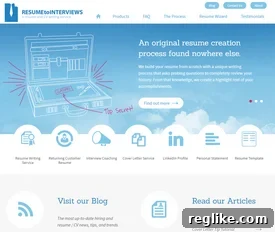
The prospect of acquiring a cashflow-generating business without the arduous process of building from scratch is undeniably appealing. Platforms like Flippa and specialized brokerage firms facilitate numerous such transactions daily. Yet, beneath the surface of promising analytics and revenue reports, lie complex layers of legal, operational, and financial risks that can quickly turn a dream acquisition into a costly nightmare. A prime example of such a scenario currently unfolding involves a high-stakes legal battle surrounding the sale of the resume writing website, ResumeToInterviews.com, a case that serves as a stark reminder of the critical importance of foresight and protection in online business transactions.
The Appeal and Perils of Website Acquisition
For many entrepreneurs and investors, purchasing an established website offers a compelling alternative to launching a new venture. The benefits are numerous: immediate revenue streams, pre-existing traffic and customer bases, established search engine rankings, and a proven product or service market fit. This expedited path to profitability can be highly attractive, bypassing the initial struggles of brand building and audience development. However, this convenience often comes with inherent complexities and hidden liabilities that, if not properly identified and addressed, can unravel the entire investment.
The incident involving ResumeToInterviews.com highlights just how quickly an apparently sound investment can sour. In 2014, Ichabod Ice, LLC acquired ResumeToInterviews.com from Jason Batansky for a substantial sum of $217,500. What seemed like a straightforward transfer of assets quickly escalated into a legal dispute, illustrating the precarious nature of digital asset purchases. The buyer’s subsequent discovery of unforeseen issues led to significant financial claims and ultimately, a lawsuit, underscoring the critical need for exhaustive due diligence.
Unveiling the Hidden Risks in Website Acquisitions
The journey of acquiring an established website is rarely as simple as exchanging funds for digital assets. A multitude of potential risks can jeopardize the investment, extending far beyond the readily apparent financial figures. Understanding these categories of risks is the first step toward safeguarding your investment:
1. Legal and Compliance Risks
- Copyright and Trademark Infringement: As seen in the ResumeToInterviews.com case, even a single instance of copied content can lead to legal demands, fines, and reputational damage. This risk extends to images, videos, software, and even brand names.
- Licensing Issues: Websites often rely on third-party software, plugins, themes, or stock media. Ensuring all licenses are transferable and properly owned can prevent future legal complications.
- Privacy and Data Protection (GDPR, CCPA): Non-compliance with global data privacy regulations can result in hefty fines and loss of user trust. Buyers must assess the seller’s past and current compliance efforts.
- Unpaid Liabilities or Taxes: Overlooking past financial obligations related to the business can make the buyer responsible for the seller’s debts.
- Contractual Obligations: Existing vendor contracts, affiliate agreements, or partnerships might not be transferable or may contain unfavorable terms.
2. Financial and Operational Risks
- Exaggerated Financials: Sellers might inflate revenue, traffic, or profit figures. Without rigorous verification against bank statements, payment processor reports, and analytics, buyers can be misled.
- Reliance on Black-Hat SEO: Websites achieving high rankings through manipulative or unethical SEO tactics are susceptible to Google penalties, leading to catastrophic traffic and revenue loss post-acquisition.
- Hidden Costs: Unexpected expenses such as recurring software subscriptions, overlooked hosting fees, or ongoing content creation costs can eat into profit margins.
- Traffic Quality and Authenticity: Not all traffic is good traffic. Bots, low-quality referrals, or paid traffic that isn’t sustainable can give a false impression of a site’s reach.
- Customer Churn and Reputation Damage: Past customer service issues, negative reviews, or brand controversies (like the alleged issues with the seller’s SomethingAwful.com account in our case study) can severely impact future business.
- Key Person Dependency: If the website’s operation is heavily reliant on the seller’s specific skills, relationships, or unique knowledge, the transition period can be challenging without adequate support.
3. Technical and Structural Risks
- Outdated Technology and Security Vulnerabilities: Legacy code, unpatched plugins, or an insecure hosting environment can lead to hacking, data breaches, and a poor user experience.
- Poor Website Structure and Performance: Slow loading times, broken links, or a non-mobile-friendly design can negatively affect SEO, user engagement, and conversion rates.
- Untransferable Assets: Ensuring domain ownership, social media accounts, email lists, and other digital assets can be smoothly transferred is paramount.
- Google Penalties: Manual or algorithmic penalties from search engines can drastically reduce organic visibility, requiring significant effort and time to recover.
The ResumeToInterviews.com Legal Battle: A Cautionary Tale Unfolds
The ongoing legal dispute between Ichabod Ice, LLC and Jason Batansky over ResumeToInterviews.com provides a compelling narrative of how these risks can materialize. After purchasing the site for $217,500, Ichabod Ice discovered what they claim to be a single piece of plagiarized content. This discovery led to a $500 payment to the copyright owner, but the buyer alleges that the damage was far greater than just this fee. They claim the site’s reputation was significantly harmed, not only by the copyright issue coming to light but also due to issues related to Batansky’s SomethingAwful.com account. While the exact nature of these “issues” remains undisclosed in the provided context, such claims often point to controversial online activity that could tarnish a brand’s image and credibility.
The cumulative effect of these alleged problems, according to Ichabod Ice, was a staggering 60% drop in the site’s revenue. This precipitous decline prompted the buyer to send a demand letter to Batansky, seeking a full refund of the original $217,500 purchase price, plus additional money for damages incurred. The magnitude of this demand highlights the severe financial impact perceived by the buyer.
Predictably, Batansky disagreed with these claims. Faced with persistent threats of legal action from Ichabod Ice, Batansky preemptively filed a lawsuit for Declaratory Judgment. This legal maneuver is typically initiated by a party seeking a court’s definitive ruling on the rights and obligations of involved parties, effectively asking the court to declare the legal standing of the asset purchase agreement and whether Batansky had breached it. This indicates a strong disagreement over the interpretation of the sales agreement and the extent of the seller’s responsibility post-sale.
At this early stage, it’s impossible to definitively declare which side is in the right. Is this a case where a buyer is genuinely aggrieved by material misrepresentations, or is it a buyer remorse situation where inherent risks simply materialized? Regardless of the outcome, the case underscores the vital role of comprehensive due diligence and robust contractual agreements in mitigating such disputes.
The Indispensable Role of Due Diligence
The ResumeToInterviews.com case serves as a powerful reminder that due diligence is not merely a formality but a critical shield against future liabilities. For any prospective website buyer, an exhaustive investigation is paramount:
1. Financial Due Diligence
- Verify Revenue and Expenses: Cross-reference revenue claims with actual bank statements, payment processor reports (e.g., Stripe, PayPal), and audited financial records. Scrutinize expense reports for hidden or misrepresented costs.
- Analyze Traffic Metrics: Gain read-only access to Google Analytics and Google Search Console. Look for consistent, organic traffic growth, unusual spikes, bot traffic, and any signs of past Google penalties.
- Understand Profit Margins: Distinguish between gross revenue and net profit. Factor in all operational costs, including content creation, marketing, software, and staff salaries.
2. Legal Due Diligence
- Review All Contracts: Examine supplier agreements, affiliate contracts, user terms of service, and privacy policies. Ensure compliance and transferability.
- Intellectual Property Audit: Use tools like Copyscape to check for plagiarized content. Verify ownership of all intellectual property, including content, logos, and custom code.
- Domain Ownership and Transfer: Confirm the seller’s legitimate ownership of the domain and ensure a smooth, secure transfer process.
- Consult Legal Counsel: Engage an attorney specializing in online business transactions to review the Asset Purchase Agreement (APA) and identify potential legal exposures.
3. Technical Due Diligence
- Website Performance Audit: Use tools like Google PageSpeed Insights, GTmetrix, or Lighthouse to assess site speed, mobile responsiveness, and overall technical health.
- SEO Audit: Examine the site’s backlink profile using tools like Ahrefs or SEMrush to identify spammy or toxic links. Check for proper keyword usage, meta descriptions, and schema markup.
- Security Review: Look for outdated plugins, core vulnerabilities, or any signs of past security breaches. Understand the hosting environment and server setup.
4. Content and Reputation Due Diligence
- Content Authenticity: Verify the originality and ownership of all site content. Assess content quality and its alignment with future growth strategies.
- Brand Reputation Check: Search for the brand and seller’s name across social media, forums, and review platforms to uncover any past controversies or negative associations. This directly relates to the SomethingAwful.com claim in the case study.
Safeguarding Your Investment: Essential Tips for Buyers
Beyond thorough due diligence, buyers can implement several strategies to protect their investment:
- Utilize Escrow Services: Always use a reputable third-party escrow service to hold funds until all agreed-upon conditions and asset transfers are successfully completed.
- Draft a Comprehensive Asset Purchase Agreement (APA): The APA should explicitly detail every asset being transferred (domains, content, social media accounts, email lists, etc.), representations and warranties from the seller, and conditions for the sale.
- Include Robust Representations and Warranties: Ensure the seller legally guarantees that all provided information (financials, traffic, ownership of assets, lack of legal infringements) is accurate and truthful.
- Incorporate Indemnification Clauses: These clauses hold the seller responsible for liabilities arising from pre-sale issues that were not disclosed or discovered during due diligence.
- Negotiate a Transition Period and Support: Agree on a period of post-sale support from the seller to ensure a smooth handover of operations, knowledge transfer, and troubleshooting.
- Consider Earn-outs: Structure a portion of the payment to be contingent on the website’s performance after the sale, incentivizing the seller to ensure its continued success.
Best Practices for Sellers: Ensuring a Smooth and Ethical Sale
Sellers also have a crucial role in fostering trust and preventing future disputes:
- Transparency is Key: Disclose all known issues, potential liabilities, and any past or current problems with the website or its assets. Honesty builds trust and minimizes post-sale claims.
- Maintain Accurate and Organized Records: Keep meticulous financial records, traffic analytics, and documentation for all assets and licenses. This streamlines the buyer’s due diligence process.
- Clean Up Before Listing: Address any known technical debts, content issues (like plagiarism), or compliance gaps before putting the site up for sale.
- Seek Professional Legal Counsel: A well-drafted APA by your own legal representative can protect you from unwarranted future claims.
- Be Prepared for Thorough Due Diligence: Have all requested documents and access ready. Proactive cooperation speeds up the sale process.
The Broader Implications of Legal Disputes
The legal battle over ResumeToInterviews.com is more than just a dispute between two parties; it’s a testament to the potentially high costs—financial, emotional, and reputational—associated with inadequate preparation in online business acquisitions. Legal proceedings are time-consuming, expensive, and can severely impact the operations and future prospects of both the buyer’s new asset and the seller’s reputation. Prevention, through meticulous due diligence and comprehensive legal agreements, is always superior to resolution.
In conclusion, while the prospect of acquiring an established website offers undeniable opportunities for growth and profit, it is a path that demands vigilance, thorough investigation, and robust legal protections. The unfolding story of ResumeToInterviews.com serves as a powerful, real-world lesson for anyone considering buying or selling an online business. It reinforces the notion that a detailed understanding of the asset and a watertight contract are indispensable to safeguarding your investment in the volatile, yet rewarding, world of digital acquisitions.
For those interested in delving deeper into the specifics of this cautionary tale, reviewing the court filings can provide invaluable insights into the intricacies of asset purchase agreements and the common grounds for dispute:
Filing document one | Filing document two