
Combating Pervasive Facebook Messenger Scams: Why Meta Needs to Step Up and Protect Page Owners
In the expansive and interconnected digital landscape, platforms like Facebook serve as indispensable tools for communication, commerce, and community building. Yet, lurking beneath this facade of digital convenience is a pervasive and increasingly sophisticated threat: relentless scam operations that specifically target unsuspecting users, particularly administrators of Facebook pages. It remains a source of profound bewilderment, and indeed alarm, that a technology giant of Meta’s stature, possessing immense resources and advanced AI capabilities, continues to struggle with effectively mitigating these malicious activities that unfold directly on its flagship messaging platform, Messenger.
The Deceptive Anatomy of a Facebook Page Deletion Scam
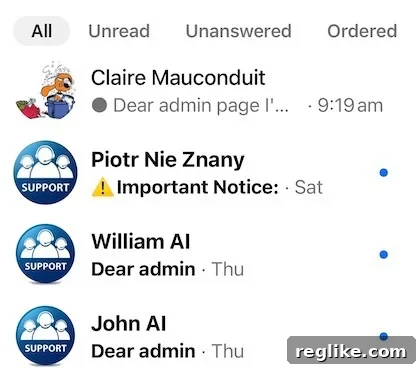
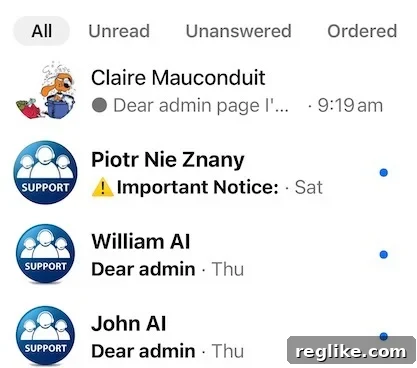
For anyone entrusted with the management of a Facebook page, the inbox has invariably become a challenging blend of legitimate inquiries and a persistent deluge of fraudulent messages. These scams typically masquerade as urgent, official communications directly from Facebook, employing high-pressure tactics and fear-mongering to coerce page owners into compromising their accounts. The most prevalent and insidious variant of these scams revolves around an alleged violation of Meta’s terms of service, frequently citing intellectual property rights infringements or community standards violations, culminating in an ominous threat of permanent page deletion.
We have detected that your Facebook page has been scheduled for permanent deletion due to a post that violates intellectual property rights [or impersonation, et al].
If you believe this is a misunderstanding, we kindly ask that you file a complaint to restore your page before we remove it from Facebook.
Messages crafted in this vein, or those strikingly similar, are meticulously designed with a precise psychological objective: to induce an immediate sense of panic and urgency. They skillfully prey upon the page owner’s profound attachment to their digital presence, whether it serves as a critical business tool, a personal branding platform, or a vital community hub. The authoritative phrasing—”permanent deletion,” “intellectual property rights,” “scheduled for removal”—lends an air of severe officialdom, making the threat appear highly credible and imminent. The primary goal of these deceptive communications is singular: to compel the recipient to click on a fraudulent link, often subtly embedded within the text, with instructions to “file a complaint” or “restore your page.”
Upon clicking this malicious link, unsuspecting users are invariably redirected to highly sophisticated phishing websites. These sites are expertly crafted to mimic the authentic Facebook login page or a Meta Business Suite interface with alarming fidelity. Here, victims are artfully prompted to input their sensitive credentials—typically their username, password, and in some advanced cases, even two-factor authentication codes. Once these details are submitted, they are instantly harvested by the scammers, granting them unauthorized and illicit access to the compromised page, and potentially the associated personal Facebook profile. The ramifications of such a breach are severe and wide-ranging, encompassing the complete loss of control over the page, the dissemination of spam or malware, financial extortion, or even profound identity theft, thereby underscoring the grave risks inherent in these seemingly innocuous messages.
Meta’s Mixed Signals: Navigating Engagement Metrics Versus User Safety
The pervasive nature of these sophisticated scams sharply brings into focus a glaring contradiction within Meta’s platform management philosophy. Only recently, I received a seemingly well-intentioned digital nudge from Meta itself, an encouragement to “make the most of your messages” and to “Respond to more messages.” This communication further elaborated on its reasoning:
Your response rate is the percentage of messages that you respond to. We recommend you respond to at least 80% of all incoming messages.
While this directive, at face value, appears to be a laudable effort to foster heightened engagement and superior customer service, its practicality becomes utterly nonsensical when juxtaposed with the harsh reality confronting the majority of Facebook page owners’ inboxes. How can one reasonably aspire to maintain an 80% response rate when an overwhelming 99% of incoming messages are nefarious attempts by malicious actors impersonating Facebook itself? This creates an undeniably paradoxical situation where Meta, perhaps inadvertently, encourages its users to engage with potential threats, thereby significantly expanding the attack surface for these insidious scams.
This striking disconnect profoundly underscores a fundamental flaw in Meta’s strategic prioritization. The platform’s intricate algorithms and overarching operational focus appear to heavily emphasize superficial engagement metrics—such as response rates, message volume, and general interaction—at the expense of the far more critical imperative of user security and proactive scam prevention within its proprietary messaging ecosystem. It strongly suggests a reactive rather than a truly proactive stance, where the burdensome responsibility of identifying and skillfully avoiding sophisticated phishing attempts is disproportionately placed upon the shoulders of the end-user, who is often ill-equipped to confidently distinguish between a highly sophisticated scam and a genuinely legitimate communication.
The Unanswered Conundrum: Why Can’t Meta Detect These Scams?
The most perplexing aspect of this chronic and worsening problem is Meta’s apparent, and deeply concerning, inability to detect and effectively block these glaringly obvious scam attempts directly on its own messaging system. Given its status as a global technology leader, hosting billions of users and having made unparalleled investments in advanced artificial intelligence and machine learning technologies, one would logically assume that Meta possesses the requisite analytical capabilities to pinpoint patterns unequivocally indicative of phishing and impersonation with ease.
- Sophisticated Pattern Recognition: These scam messages consistently share common linguistic cues, identical threatening language, and reliably link to suspicious, non-Facebook domains. Advanced AI systems should be exceptionally adept at flagging such repetitive malicious patterns in real-time.
- Proactive Domain Analysis: Meta undeniably possesses the technological infrastructure to instantly scan all outgoing links embedded within Messenger messages for known phishing sites, newly registered suspicious domains, or domains engineered to deceptively resemble official Facebook URLs.
- Robust Sender Verification: When a message claims to originate from “Facebook Support” or “Meta Business,” there should exist a robust, internal verification mechanism designed to instantly confirm if the sender is genuinely an official entity or a cunning imposter. Legitimate official communications could be automatically badged, verified, or routed through a distinct, secure, and clearly identifiable channel.
- Enhanced User Reporting Mechanisms: While users currently have the ability to report scams, the efficacy of this system appears to be markedly limited, as identical scam campaigns continue to proliferate unchecked without significant or lasting mitigation.
The unrelenting prevalence of these scams strongly suggests either a severe oversight, a disconcerting lack of strategic prioritization for this specific threat vector, or a profound underestimation of the sheer scale and impact of the problem. If Meta permits its loyal page owners to be routinely duped and potentially lose access to their vital digital livelihoods, it undeniably poses a severe and enduring threat to the platform’s long-term credibility, user trust, and overall brand reputation. This is not merely an inconvenience; it represents a fundamental security vulnerability that progressively erodes user confidence and ultimately undermines the very utility and purpose of Facebook’s business tools.
Profound Impact on Facebook Page Owners and Businesses
Beyond the immediate frustration and the considerable waste of valuable time, the cascading consequences of these insidious Messenger scams are far-reaching and potentially devastating for both individuals and businesses. Small to medium-sized enterprises (SMEs), burgeoning influencers, and dedicated community managers often rely heavily, if not exclusively, on their Facebook pages for critical marketing initiatives, essential customer service interactions, and vibrant audience engagement. A compromised page can precipitate a host of catastrophic outcomes:
- Disruption of Business Operations: The sudden inability to post updates, interact with customers, or run targeted advertisements directly impacts revenue streams and jeopardizes business continuity.
- Severe Reputational Damage: If a compromised page is exploited to propagate spam, distribute malware, or spread inappropriate content, the brand’s hard-earned reputation can be irrevocably tarnished, leading to a significant loss of customer trust and loyalty.
- Direct Financial Loss: Beyond merely losing account access, sophisticated phishing attempts can lead to the theft of sensitive financial information, unauthorized misuse of ad accounts for fraudulent purposes, or even direct monetary extortion from the page owner.
- Profound Emotional Distress: For many individuals, their Facebook page represents years of arduous work, unwavering dedication, and meticulous community building. Losing immediate access to such a vital digital asset can induce immense stress, anxiety, and profound demotivation.
- Cascading Security Risks: Compromised credentials obtained via these scams can extend far beyond Facebook, potentially granting malicious actors access to other linked online accounts, thereby creating a dangerous cascade of security breaches across various platforms.
The cumulative and corrosive effect of these pervasive scams is the creation of an pervasive climate of distrust, forcing page owners to approach every single incoming message with an extreme degree of skepticism, which inevitably hinders legitimate interactions and ultimately undermines the fundamental purpose of a robust messaging platform.
Protecting Your Page: Essential Best Practices in a Risky Digital Environment
While Meta is undeniably responsible for enhancing its internal security protocols, page owners themselves must remain hyper-vigilant and proactively adopt robust defense mechanisms to safeguard their digital assets. Protecting your valuable online presence necessitates a proactive, informed, and consistently diligent approach:
- Cultivate Healthy Skepticism Towards Urgency: Any message demanding immediate action, threatening severe and irreversible consequences (such as page deletion), or employing alarmist language should be treated with the utmost suspicion. Official communications from Facebook rarely, if ever, generate such undue pressure or panic.
- Absolutely Never Click Suspicious Links: This stands as the cardinal rule of online security. Instead of risking a click, always navigate directly to Facebook’s official Business Support Hub or your security settings through your web browser to independently verify any legitimate notifications or reported issues.
- Scrupulously Verify the Sender: Genuine, official Facebook communications rarely arrive through standard Messenger chats from unverified or generic profiles. Always meticulously inspect the sender’s profile for irrefutable legitimacy, though be aware that even this can sometimes be deceptively faked.
- Enable Two-Factor Authentication (2FA) Immediately: This is arguably the single most critical security measure available. Even if cunning scammers manage to obtain your password, a robust 2FA (utilizing an authenticator app or a physical security key) will effectively prevent them from unauthorized login.
- Diligently Report Scams: Actively utilize Facebook’s built-in reporting tools to flag all suspicious messages. While the immediate impact of a single report may seem limited, aggregated reports are invaluable in helping Meta continuously improve its sophisticated detection algorithms over time.
- Regularly Review Security Settings: Make it a routine practice to periodically scrutinize your page roles, authorized third-party apps, and all login activity within your Facebook security settings. Promptly remove any unfamiliar or unauthorized access.
- Educate Your Entire Team: If your Facebook page is managed by multiple individuals, ensure that every team member is fully aware of these prevalent scam tactics and adheres strictly to all best practices for online security. A single compromised account can catastrophically compromise the integrity of the entire page.
Meta’s Imperative: Reclaiming Trust and Ensuring Digital Safety
The relentless and unceasing barrage of phishing and impersonation scams flourishing on Facebook Messenger is far more than a mere nuisance; it represents a significant and demonstrable failure in platform security that directly impacts the livelihoods, digital safety, and peace of mind of millions of users worldwide. For Meta to truly honor its stated commitment to fostering secure and trustworthy online communities, a fundamental and transformative shift in its approach to internal messaging security is not just desirable, but desperately needed.
Meta must unequivocally invest more aggressively and strategically in advanced AI and cutting-edge machine learning systems specifically engineered to detect and neutralize these threats proactively and in real-time. This vital investment should encompass sophisticated real-time link scanning, robust sender verification protocols, and the immediate quarantine or outright blocking of any messages exhibiting known scam patterns or suspicious characteristics. Furthermore, the implementation of clearer, unambiguous, and impossible-to-imitate indicators for official Meta communications is paramount, making it utterly impossible for malicious scammers to convincingly replicate them.
The current state of affairs, where dedicated page owners are compelled to navigate a treacherous minefield of digital deception while simultaneously being gently coerced into increasing their message response rates, is inherently untenable and utterly unsustainable. It is unequivocally high time that Meta harnesses its immense technological prowess and unparalleled resources to genuinely protect its users from threats that originate and thrive within its very own ecosystem. By making robust security measures an undeniable priority over potentially misleading engagement metrics, Meta can begin the arduous but essential process of restoring user confidence, fostering truly genuine interaction, and ultimately solidifying its rightful position as a genuinely safe, reliable, and trustworthy platform for digital connection, commerce, and community building.