
The challenge of finding a good domain name is illustrated perfectly on Arrested Development.
Mastering the Domain Game: Lessons from Arrested Development’s FakeBlock
In today’s digital age, securing a distinctive and memorable domain name is as crucial as forging a strong brand identity. It’s often the first point of contact for your audience, a cornerstone of your online presence, and a powerful tool for establishing credibility. Yet, the journey to finding that perfect web address can be fraught with unexpected challenges, a reality humorously yet accurately depicted in the beloved television series, Arrested Development.
As I recently caught up on the Netflix season of this iconic show, one particular episode struck a chord, perfectly encapsulating the frustrations many entrepreneurs face. It delves into the intricate and often exasperating process of domain name selection, highlighting the delicate balance between creativity, availability, and cost. While the scenario unfolds with comedic brilliance, the underlying struggle is profoundly relatable to anyone who has ever tried to carve out their unique space on the internet.
George Michael’s Quest for the Perfect App Domain
The story unfolds with George Michael, the earnest and often bewildered son of Michael Bluth, collaborating with his roommate on a new application. Their excitement about their innovative idea is palpable, but it quickly collides with the harsh reality of digital nomenclature. The scene that follows is a masterclass in non-verbal communication, perfectly capturing the roller coaster of emotions involved in registering a domain name.
George Michael, brimming with initial confidence, relays their chosen name – “WoodBlock” – to the person on the other end of the line, presumably a domain registrar or an app store representative. His smug expression, indicative of creative triumph, quickly morphs into dejection as he’s informed that their brilliant idea is already taken. This familiar sting of disappointment resonates deeply with anyone who’s faced the “not available” message after hours of brainstorming.
Undeterred, but already feeling the pressure, George Michael suggests a slight variation: “BlockWood.” His roommate’s non-committal gesture perfectly conveys the diminishing enthusiasm for a name that feels like a compromise, a mere inversion of the original. The subsequent news that “BlockWood” is also snatched away further dampens their spirits, leading to another, even more desperate attempt: “BlockofWood.” At this point, both George Michael and his roommate slump in defeat, their faces a canvas of shared frustration. This sequence vividly illustrates the common trap of merely adding prepositions or articles to an unavailable name, often resulting in clunky, unmemorable, and equally unavailable options.
The “FakeBlock” Revelation: Availability vs. Affordability
Just when all hope seems lost, a glimmer appears. The operator’s voice cuts through their despondency: “FakeBlock is available. Would you like FakeBlock?” A flicker of hope ignites, but it’s swiftly extinguished by the catch. George Michael asks the operator to hold onto it, then turns to his roommate with a bombshell: “It’s $5,000 for the domain name.” This line, delivered with George Michael’s characteristic deadpan, exposes a critical nuance in the world of domain registration: “available” doesn’t always mean “affordable.”
This humorous twist perfectly encapsulates the concept of premium domain names. Many desirable, short, memorable, or keyword-rich domains have already been registered and are often held by domain investors, or “domainers,” who buy and sell them for profit on the secondary market. The “availability” offered by the operator isn’t a direct hand-registration but rather an opportunity to purchase a domain that someone else has deemed valuable enough to invest in. A price tag of $5,000 for a domain like “FakeBlock” — a short, brandable, and potentially viral name — isn’t outlandish in the world of domain investing, especially if it’s perceived to have strong marketing potential.
The scene highlights that finding a domain isn’t just about creativity; it’s about navigating a marketplace where digital real estate is bought, sold, and valued, often at significant prices. For startups and small businesses, encountering such a price can be a major roadblock, forcing them to either rethink their branding or allocate a substantial portion of their initial budget to their online identity.
Strategies for Naming Your Digital Realm: Beyond the Bluths
The Bluth family’s domain dilemma offers invaluable lessons for anyone embarking on their digital journey. So, how can you avoid George Michael’s fate and successfully secure a domain name that empowers your brand?
1. Brainstorm Creatively and Strategically
Don’t just think about keywords. Consider brandable names that are unique, easy to pronounce, and memorable. Combine words, invent new ones, or use metaphors related to your business. Think about names that evoke emotion or curiosity. Tools like domain name generators can provide inspiration by suggesting variations, synonyms, and completely new ideas based on your initial keywords.
2. Prioritize Brevity and Memorability
Shorter domains are easier to type, remember, and less prone to typos. Aim for something that rolls off the tongue and sticks in people’s minds. Avoid hyphens and numbers unless they are absolutely essential to your brand, as they can lead to confusion and make your domain harder to communicate orally.
3. Explore Different Top-Level Domains (TLDs)
While .com remains the gold standard for its universal recognition and trust, it’s also the most saturated. Don’t be afraid to explore other relevant TLDs such as .net, .org, .co, .io, .tech, or industry-specific options like .shop or .blog. Many new gTLDs (generic Top-Level Domains) offer unique opportunities to find available and relevant names, especially if your target audience is niche or technologically inclined.
4. Check Availability Early and Often
As soon as you have a few strong name candidates, check their availability. The domain market moves quickly, and a name available today might be gone tomorrow. Use reputable domain registrars to perform searches, and consider registering multiple TLDs or common misspellings of your primary domain to protect your brand from cybersquatting and ensure users land on your site even with a typo.
5. Consider Trademark and Brand Protection
Before committing to a domain, conduct a thorough trademark search. You don’t want to invest time and resources into building a brand around a name that infringes on an existing trademark. This can lead to costly legal disputes and force a complete rebranding down the line. A strong domain name is integral to your brand’s legal protection and market distinctiveness.
The Real FakeBlock.com: A Case Study in Brand Foresight
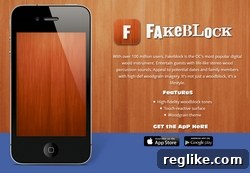
After witnessing George Michael’s plight, many domain investors and curious fans might immediately search for FakeBlock.com. Unsurprisingly, the domain is indeed taken. It’s owned by none other than 20th Century Fox, the company behind Arrested Development itself. This isn’t a mere coincidence or an aftermarket purchase; Fox hand-registered the domain, recognizing its potential long before the episode aired.
This strategic foresight highlights how major corporations manage their intellectual property and brand presence. By registering FakeBlock.com, Fox ensured that they controlled a crucial piece of digital real estate tied to their intellectual property, preventing others from capitalizing on the show’s popularity or associating a third-party product with their brand. They utilized it to promote an actual FakeBlock app, further blurring the lines between fiction and reality and extending the show’s humor and brand engagement beyond the screen. It demonstrates the proactive approach needed in today’s interconnected world – securing brand-related domains, even for fictional elements, is a smart move for comprehensive brand protection and marketing.
Domain Names, SEO, and the Future of Digital Identity
While the direct SEO impact of keyword-rich domain names has evolved, a good domain still plays a vital, albeit indirect, role in your search engine ranking and overall digital success. A memorable, brandable domain name contributes to higher click-through rates, stronger brand recall, and increased direct traffic, all of which are positive signals for search engines.
Google and other search engines prioritize user experience, and a clean, trustworthy, and easy-to-remember domain contributes significantly to that. Furthermore, having a distinct domain fosters brand authority and trust, making it easier for your content to rank over time. As the internet continues to expand, the value of unique digital real estate will only grow. The rise of new TLDs provides more options, but also introduces new considerations for brand consistency and user recognition.
Conclusion: The Enduring Challenge of Naming Your Niche
The humorous predicament faced by George Michael in Arrested Development serves as a perfect, albeit exaggerated, mirror to the real-world struggles of finding and securing a compelling domain name. It underscores the critical importance of digital branding and the foresight required to navigate the complex landscape of domain registration and investment.
Whether you’re a startup founder, a seasoned entrepreneur, or a creative individual launching a personal project, the quest for the ideal domain name demands both creativity and strategic thinking. By learning from George Michael’s trials, understanding the dynamics of the domain market, and employing smart naming strategies, you can successfully claim your unique corner of the internet, ensuring your digital presence is as robust and memorable as your brand itself. The perfect domain isn’t just an address; it’s the foundation of your online identity, and worth every bit of effort to secure.