
Google Domains Acquired by Squarespace: Navigating the Transition for Millions of Users
The landscape of domain registration has recently undergone a monumental shift, impacting millions of website owners and aspiring digital creators worldwide. In a move that sent ripples across the tech and domain industries, the prominent website-building platform Squarespace (NYSE: SQSP) officially completed its acquisition of Google Domains (NASDAQ: GOOGL) for a reported sum of $180 million. This strategic buyout, finalized after its surprising announcement in June, heralds a new era for Google Domains customers and significantly bolsters Squarespace’s position as a dominant force in web services.
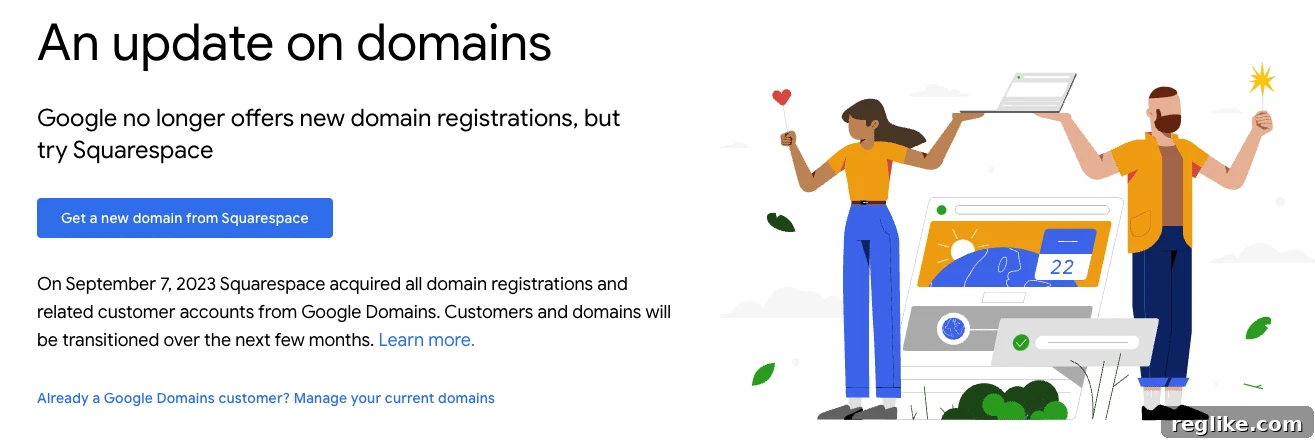
Effective immediately, Google Domains has ceased accepting new domain registrations, directing prospective customers instead to Squarespace. While new sign-ups are no longer possible directly through Google’s platform, existing Google Domains users are assured a smooth transition period. They will continue to manage their valuable domain assets directly within Google Domains for several months, ensuring ample time to adapt to the upcoming changes. This comprehensive guide will delve into the intricacies of this acquisition, its immediate and long-term implications, and what current and future domain owners need to know to navigate this transition seamlessly.
Squarespace’s Strategic Move: Why the Google Domains Acquisition Matters
The acquisition of Google Domains by Squarespace for $180 million, while perhaps not an eye-popping figure by Google’s standards, represents a truly transformative moment for Squarespace. Prior to this deal, Squarespace already managed approximately one million .com domains, primarily serving customers who utilized its integrated website building services. However, Google Domains boasted a massive portfolio of nearly 10 million domains across various extensions, from popular .coms to niche TLDs (Top-Level Domains).
This acquisition instantaneously transforms Squarespace into one of the largest domain registrars globally, dramatically expanding its market share and overall reach overnight. This strategic growth positions Squarespace not merely as a website builder with an integrated domain service, but as a major, standalone player in the competitive domain name registration market. For Squarespace, this deal is a clear power play, allowing them to capture a vast, diverse customer base and integrate domain registration more deeply into their ecosystem, potentially creating a comprehensive, one-stop shop for all web presence management needs.
Google’s Rationale: Divesting from a Non-Core Business
Industry analysts and competitors alike expressed a degree of surprise at the announcement, with some suggesting the acquisition price was on the lower side for such a substantial asset. This perceived low valuation might indicate Google’s strategic intent to divest from a non-core business that, while popular and well-regarded for its user-friendliness, did not align with its primary revenue drivers or long-term strategic focus. Google’s core business revolves around advertising, cloud computing, and search, with Google Domains likely representing a minor, albeit valued, component of its broader offerings.
By selling Google Domains, Google can streamline its operations, allowing it to focus resources and innovation on areas that are central to its long-term vision. For Google, simplicity and focus often win out, and exiting the domain registration business allows them to concentrate on developing products and services that have a more significant impact on their strategic objectives and financial performance. This transaction, therefore, can be seen as a win-win: Squarespace gains a massive new user base and market position, while Google optimizes its portfolio.
Immediate Impact: New Registrations Halted and the Transition Period Begins
The most immediate and noticeable change for prospective domain owners is the inability to register new domains directly through Google Domains. Visitors to the Google Domains website are now greeted with a clear and concise message, guiding them to Squarespace for all new domain registration needs. This redirection ensures that the flow of new customers seeking domain registration services is channeled directly to Squarespace’s expanded platform, solidifying their new role as the primary provider for these former Google Domain users.
For the millions of existing Google Domains customers, the situation is handled with a crucial transition period. These users will continue to access and manage their domains through the familiar Google Domains interface for several months. This grace period is absolutely vital for minimizing disruption, allowing users ample time to understand the changes, update their contact information, and prepare for the eventual migration of their domain portfolios to Squarespace’s platform. Squarespace has pledged to ensure a smooth and orderly transfer of services, emphasizing customer continuity and support throughout this process. It is paramount for existing users to stay informed, regularly checking their registered email addresses for official communications from both Google and Squarespace regarding specific timelines and any actions required.
A New Era for Domain Management Under Squarespace’s Banner
With nearly 10 million new domains now under its belt, Squarespace is not just passively absorbing Google Domains; it is aiming to significantly evolve its domain services. The company has explicitly articulated its intention to develop Squarespace Domains into an independent, standalone domain registrar. This means going beyond merely serving its existing website builder clientele and actively attracting a broader audience of registrants who may not necessarily use Squarespace for their website hosting needs. This strategic shift suggests a commitment to competing directly with established domain registrars like GoDaddy, Namecheap, and others, offering a robust, feature-rich, and competitive service.
Becoming an independent registrar targeting a wider market will undoubtedly require Squarespace to refine its offerings, improve its user experience for domain-only customers, and potentially adjust its competitive strategies to attract a diverse user base. This ambition indicates that the acquisition is not merely about consolidating customers but about establishing Squarespace as a formidable and versatile player in the global domain name industry, capable of catering to various customer segments with tailored solutions.
Navigating the Pricing Adjustment: Google Domains vs. Squarespace
One of the most significant points of concern for existing Google Domains customers centers around pricing. Google Domains was widely praised for its transparent and consistently competitive pricing model, often offering domains for around $12 per year with included privacy features. In stark contrast, Squarespace’s standard pricing for most domains has typically been higher, generally hovering around $20 per year. This significant disparity naturally raises questions and potential anxieties about future costs for the millions of domains transitioning from Google’s platform.
Recognizing this potential friction, Squarespace has made a crucial commitment: it will honor Google Domains’ existing prices for current customers for at least one year following the transition. This provides a temporary reprieve and allows users time to assess their options. However, after this initial year, it is widely anticipated that prices will align more closely with Squarespace’s prevailing rates. This makes it essential for Google Domains users to proactively evaluate their domain portfolios, compare Squarespace’s future pricing with other reputable registrars, and plan accordingly for upcoming renewals. While Squarespace aims to be competitive, a potential price increase for those accustomed to Google’s lower rates is a strong motivator for some users to explore alternative registrars.
The Competitive Landscape Responds: Opportunities for Other Registrars
The Google Domains acquisition has not gone unnoticed by other prominent players in the domain and website building industry. Rival platforms are already actively working to capitalize on the uncertainty and potential customer migrations that often follow such large-scale transactions. For instance, WordPress, a formidable competitor in the website building space, has proactively offered free domain transfers from Google Domains to entice users to switch to their platform. This aggressive strategy aims to capture a significant portion of the departing Google Domains customer base by offering an attractive incentive and a seamless migration path.
Other major domain registrars, such as GoDaddy, Namecheap, and Porkbun, are also highly likely to intensify their marketing efforts. They will highlight their competitive pricing, robust feature sets, and comprehensive customer support systems to attract users looking for alternatives or simply seeking to explore their options during this period of change. The transition period represents a unique opportunity for these companies to expand their market share by offering compelling reasons for users to transfer their domains. Factors such as ease of transfer processes, transparent pricing structures, powerful domain management tools, and excellent, responsive customer support will undoubtedly play a crucial role in influencing customer decisions during this period of flux and uncertainty.
User Awareness and Proactive Steps During the Migration
Despite the official announcements and media coverage, it is plausible that a significant portion of Google Domains registrants remains entirely unaware of this major transaction. Many users might only discover the change when they next log into their Google Domains account or when their domain’s renewal date approaches, prompting a notification about the migration to Squarespace’s platform. This potential for delayed awareness underscores the importance of clear communication and proactive engagement from users.
To ensure a smooth experience and prevent any potential disruptions, it is highly recommended that all existing Google Domains customers take the following proactive steps:
- Stay Informed: Regularly check the primary email address associated with your Google Domains account for official communications from both Google and Squarespace. These emails will contain critical information regarding timelines, processes, and any required actions.
- Review Domain Details: Log into your Google Domains account and carefully verify that all your contact information is up-to-date. Familiarize yourself with your domain’s renewal dates and any specific settings or configurations you may have.
- Understand the Process: As Squarespace releases more detailed information about the migration process, thoroughly read through the provided guidelines and FAQs. Understanding what actions, if any, are required from you will be crucial.
- Evaluate Your Options: Take the time to consider if Squarespace’s future offerings and anticipated pricing align with your long-term needs and budget. If not, research other reputable domain registrars that might offer better value, specific features, or enhanced support for your particular requirements.
- Plan Transfers Early: If you decide to transfer your domain to another registrar, initiate the process well in advance of any upcoming renewal deadlines. This will help avoid potential service interruptions or last-minute complications.
The Future of Domain Management: Integration and Consolidation
The acquisition of Google Domains by Squarespace is emblematic of broader trends within the web services industry: increasing consolidation and the deeper integration of various digital tools. Website builders are striving to become comprehensive ecosystems where users can seamlessly register domains, host websites, build e-commerce stores, and manage their entire online presence all from a single, unified platform. While this approach simplifies the user experience, it also concentrates power and market share among fewer, larger entities.
For Squarespace, this deal signifies a clear and ambitious commitment to becoming a dominant, end-to-end solution provider for online presence. By bringing nearly 10 million domains into its fold, it gains unparalleled insights into a vast array of user needs and behaviors, allowing for the development of more integrated and potentially innovative domain management features. The future will likely see Squarespace leveraging this massive customer base to drive subscriptions for its website builder, email services, and other premium offerings, creating a powerful synergy between domain registration and website creation. Ultimately, this acquisition underscores the dynamic nature of the internet’s foundational services. While such changes can initially bring uncertainty, they also often foster innovation and compel service providers to enhance their offerings to retain and attract users. For domain owners, the key remains vigilance and an informed approach to managing their crucial online assets effectively in an ever-evolving digital landscape.