
Nominet Reports Record Low .uk Cybersquatting Disputes: A Deeper Look into Online Brand Protection
In a surprising turn that challenges conventional wisdom regarding online brand enforcement, Nominet, the official registry for .uk domain names, recently announced a significant decline in cybersquatting cases within the .uk namespace. This revelation stands in stark contrast to global trends often highlighted by other domain dispute resolution bodies and offers a unique perspective on the evolving landscape of digital intellectual property rights.
The Surprising Trend in .uk Domain Disputes
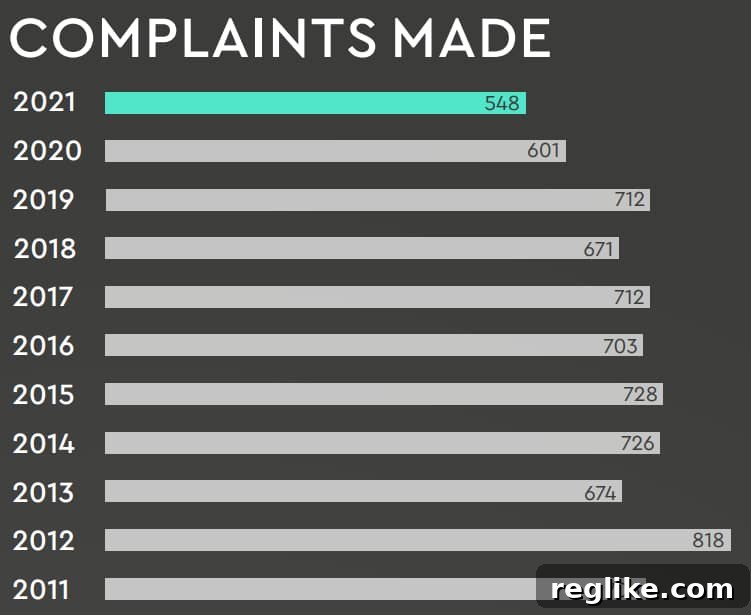
Nominet’s latest report indicates that cybersquatting disputes concerning .uk domains have reached an all-time low. Specifically, only 548 cases were filed under the .uk Dispute Resolution Policy (DRP) in the last year. Even more notably, a mere 43% of these disputes ultimately resulted in a domain name transfer to the complainant. This statistic is particularly striking given the generally accepted understanding that cybersquatting remains a persistent and growing threat to brands worldwide. The declining numbers in the .uk namespace invite a deeper analysis into what factors might be contributing to this unique trajectory and what lessons can be gleaned for broader online brand protection strategies.
Understanding Cybersquatting and Its Global Impact
Cybersquatting, at its core, involves the bad-faith registration of a domain name that is identical or confusingly similar to a trademark belonging to another entity. The primary intent behind such registrations is often to profit from the goodwill of the legitimate trademark owner, either by selling the domain name to them at an inflated price, diverting their customers to competing or malicious websites, or simply disrupting their online presence. Globally, cybersquatting poses a significant challenge for businesses of all sizes, leading to potential revenue loss, brand dilution, and customer confusion. The proliferation of new generic Top-Level Domains (gTLDs) over the past decade has further expanded the digital frontier, theoretically providing more opportunities for cybersquatters to exploit.
WIPO, UDRP, and the Broader Narrative: Why Global Numbers Can Mislead
For many years, the World Intellectual Property Organization (WIPO) has been a leading authority in resolving domain name disputes, primarily under the Uniform Domain-Name Dispute-Resolution Policy (UDRP). WIPO frequently publishes annual data, often reporting record-high numbers of cybersquatting cases. These headlines, while accurate in reflecting WIPO’s specific caseload, can sometimes paint a misleading picture of the overall cybersquatting landscape. Several factors contribute to this potential misinterpretation:
- Multiple Dispute Resolution Providers: WIPO is just one of several authorized UDRP dispute resolution providers. Complainants often engage in “forum shopping,” choosing the provider they perceive as most advantageous for their specific case. Therefore, looking solely at WIPO’s numbers without considering other providers can skew the global perception.
- Explosive Growth in Domain Registrations: The total number of registered domain names across all TLDs continues to climb year after year. Coupled with the introduction of hundreds of new gTLDs since 2013, the sheer volume of available domain space means that even a consistent rate of cybersquatting might result in higher absolute numbers of disputes. A proportional analysis, comparing dispute numbers to the total number of registered domains, often offers a more accurate reflection of prevalence.
- Diverse Domain Ecosystem: The internet’s domain name system is incredibly vast and diverse. Trends in one specific TLD or region may not accurately represent global patterns. It is crucial to disaggregate data and examine specific domain spaces to understand localized dynamics.
This contextual understanding helps explain why Nominet’s report for the .uk namespace stands out, offering a more granular and potentially more accurate insight into a specific domain ecosystem, rather than extrapolating from aggregated global data.
Nominet’s Distinct .uk Dispute Policy: A Closer Look
Nominet’s Dispute Resolution Policy (DRP) for .uk domains possesses a unique characteristic that, on paper, should make it more appealing to complainants than the UDRP. Under the UDRP, a complainant must typically prove that the disputed domain name was registered and is being used in bad faith. This dual requirement often presents a higher evidentiary hurdle. However, Nominet’s policy is more complainant-friendly, requiring evidence that the domain name was registered or used in bad faith. This “OR” clause significantly lowers the bar for complainants, as they do not need to demonstrate both elements simultaneously. One might logically anticipate that such a policy would encourage a greater number of filings, as it offers a seemingly easier path to reclaiming infringing domain names.
Furthermore, the introduction of second-level .uk domains (e.g., example.uk alongside example.co.uk) has expanded the .uk namespace, creating more opportunities for potential cybersquatting. This expansion, combined with the complainant-friendly DRP, would intuitively suggest an upward trend in dispute filings, not a downward one. The observed record low, therefore, becomes even more perplexing and worthy of detailed examination.
Unpacking the Numbers: What Does Nominet’s Report Really Mean?
The reported 548 cases and 43% transfer rate from Nominet paint a picture that defies easy explanation. If the policy is more favorable to complainants, and the domain space has expanded, why are disputes decreasing? Several theories could account for this unique trend:
- Increased Proactive Brand Protection: UK businesses and brand owners may be becoming more sophisticated in their proactive domain management strategies. This could include registering key variants of their brand early, actively monitoring the .uk namespace for potential infringements, and taking pre-emptive action.
- Deterrent Effect of the Policy: While easier for complainants, the Nominet DRP might also act as a strong deterrent for potential cybersquatters. Knowing that the threshold for proving bad faith is lower could discourage individuals from registering infringing .uk domains in the first place.
- Shift in Cybersquatting Targets: Cybersquatters might be shifting their focus away from the well-established .uk namespace to newer gTLDs or less regulated domain spaces where detection and enforcement might be perceived as more challenging. Alternatively, they might be moving towards other forms of digital brand abuse, such as social media impersonation or app store fraud.
- Economic Factors: Broader economic conditions or changes in the digital economy could also influence cybersquatting activity. For instance, a stronger emphasis on legitimate online presence by businesses might lead to fewer opportunities for squatters to exploit.
- Improved Awareness and Education: Nominet itself may have played a role through educational initiatives, making both brand owners aware of their rights and potential cybersquatters aware of the risks.
The relatively low transfer rate of 43% also warrants consideration. This could suggest that while cases are filed, many are either settled outside the formal dispute process, withdrawn, or the evidence presented by complainants does not meet even the lower “OR” standard. This implies a rigorous assessment by Nominet’s dispute panelists despite the policy’s complainant-friendly nature.
Beyond the Headlines: Implications for Brand Owners
Nominet’s report offers crucial insights for brand owners, both within the UK and globally. It underscores the importance of not relying solely on aggregated global statistics but instead focusing on specific TLDs and their unique dispute resolution mechanisms. For brands operating in the UK, this data might suggest that the .uk namespace is a comparatively safer environment, perhaps due to effective policy enforcement and a robust registry operation.
However, this shouldn’t breed complacency. The decrease in .uk disputes does not mean the absence of cybersquatting. It merely points to a shift or a specific local dynamic. Brand owners must continue to prioritize comprehensive domain portfolio management, proactive monitoring across all relevant TLDs, and a clear understanding of the varying dispute policies (UDRP, .uk DRP, ccTLD-specific policies) that apply to their intellectual property.
Navigating Online Brand Protection in a Complex Digital Landscape
Effective online brand protection in today’s complex digital environment requires a multi-faceted approach. While global UDRP cases provide a broad indicator, localized reports like Nominet’s offer vital granular data that can inform more precise strategies. Businesses should consider:
- Proactive Registration: Registering key brand variations and common misspellings across relevant TLDs, especially those critical to their operations.
- Continuous Monitoring: Implementing robust domain monitoring services that scan for infringing registrations across a wide array of TLDs, including new gTLDs.
- Understanding Dispute Policies: Familiarizing themselves with the specific dispute resolution policies of each TLD where they hold trademarks or operate.
- Swift Action: Acting promptly to address potential cybersquatting instances, as delays can weaken a case or allow infringements to escalate.
- Holistic Approach: Integrating domain name protection with broader intellectual property enforcement strategies, encompassing social media, app stores, and other digital platforms.
Conclusion: A Nuanced Perspective on Cybersquatting
Nominet’s announcement of a record low in .uk cybersquatting disputes is a significant counter-narrative to the often-heard claims of ever-increasing online brand infringement. It highlights the critical need for context and specific data when assessing the prevalence of cybersquatting. While WIPO’s global UDRP numbers provide a macro view, Nominet’s detailed report for the .uk namespace demonstrates that local dynamics, robust policies, and proactive measures can indeed lead to tangible reductions in disputes. Rather than suggesting cybersquatting is universally declining, this data points to the possibility of effective localized brand protection and potentially a strategic shift by bad actors. Ultimately, it reinforces the message that successful brand protection in the digital age requires vigilance, adaptability, and an understanding of the intricate nuances of the global domain name system.