
Unlock the Value of Expired Domains: Dynadot and VeriSign IPS Revolutionize Data Access
In the dynamic world of domain name investing and online asset acquisition, access to insightful data can be the ultimate game-changer. For years, the challenge of identifying truly valuable expired domains — those still retaining a discernible level of traffic or intrinsic interest — has been a complex endeavor. However, a significant shift is underway, spearheaded by VeriSign’s Internet Profile Service (IPS) and pioneering registrars like Dynadot, which are now democratizing access to crucial domain traffic intelligence.
This article delves into how VeriSign’s unique data capabilities, channeled through partners like Dynadot, are empowering domain investors and businesses to make more informed decisions. We’ll explore the rich dataset offered by IPS, understand how to interpret its metrics, and outline strategic approaches to leveraging this newfound transparency in the competitive landscape of expired domain acquisition.
VeriSign’s Internet Profile Service (IPS): A Glimpse into the Data Goldmine

VeriSign, as the authoritative registry operator for the ubiquitous .com and .net top-level domains, possesses an unparalleled vantage point into internet traffic patterns. This unique position grants them access to a wealth of data that is simply unavailable to most other entities. Recognizing the immense value of this information, VeriSign quietly launched its Internet Profile Service (IPS) to domain name registrars last year. The core offering of IPS is detailed traffic data specifically pertaining to domain names that are entering the “pending delete” status.
The significance of this cannot be overstated. Before IPS, estimating the potential residual traffic or existing interest in an expiring domain was often speculative, relying on third-party tools that lacked VeriSign’s authoritative, direct-from-the-source insights. IPS bridges this gap, providing registrars with a powerful tool to assess the true potential of domains before they become available for re-registration. It essentially shines a light on which expiring domains still command attention, even if their previous owners have let them go.
Dynadot Leads the Way: Empowering Customers with IPS Data Access
The true revolution begins when this powerful data is put directly into the hands of those who can utilize it most effectively: domain investors and businesses. While VeriSign makes IPS available to registrars, it is the forward-thinking registrars like Dynadot that are now extending this invaluable service to their customer base. Dynadot has emerged as one of the first to offer IPS data access, particularly to its bulk customers, demonstrating a commitment to providing advanced tools for strategic domain acquisition.
To qualify as a “bulk customer” at Dynadot and gain access to the IPS service, individuals or entities typically need to spend $500 or more annually with the registrar. This threshold ensures that the service is directed towards serious investors and businesses who can genuinely benefit from such granular data. For those looking to dive in immediately, Dynadot offers a straightforward path: prepay $500 upon opening a new account, and you’ll instantly unlock bulk customer status and immediate access to the IPS data stream.
Understanding that an investment of this nature requires due diligence, Dynadot also provides a thoughtful preliminary option. Prospective users can request a free daily report to sample the type of data offered by IPS. This allows interested parties to evaluate the depth and utility of the information before committing to bulk customer status. Simply sending an email to [email protected] with a request will initiate this process, providing a transparent way to assess if IPS aligns with your domain acquisition strategy.
Unpacking the IPS Data: Essential Metrics for Strategic Acquisition
The IPS dataset is remarkably rich and comprehensive, moving beyond simple availability to provide a multi-faceted view of a domain’s historical and current activity. It includes both “non-existent domain” (NXD) and “existent domain” traffic data, offering critical insights into how users interact with a domain even after it has become inactive or is nearing expiration. This detailed information allows investors to gauge a domain’s lingering popularity and potential value.
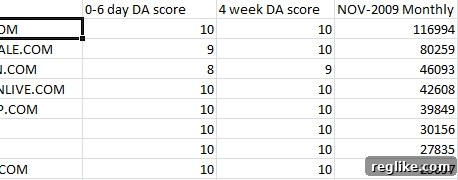
Let’s break down some of the key metrics provided by IPS, as illustrated in the data sample above, and understand their significance:
Non-Existent Domain (NXD) Traffic Scale (6-Day & 4-Week)
One of the most immediate indicators of residual interest is the non-existent domain (NXD) traffic. IPS provides two crucial scores related to this: a scale representing the amount of traffic an NXD is receiving over the last six days, and another for the past four weeks. These scores are presented on a scale of 1-10, with 10 indicating the highest level of NXD traffic. High scores in both these categories suggest that users are still attempting to reach the domain, even though it’s no longer actively hosted, pointing to strong brand recall, existing backlinks, or persistent direct navigation.
Traffic Data from Three Months Pre-Expiration
Beyond current NXD traffic, IPS furnishes valuable historical context by including traffic data from the three months leading up to the domain’s expiration. This provides a clear picture of the domain’s activity while it was still actively hosted. Consistent traffic during this period, especially combined with high NXD scores, is a strong indicator of a domain that once had (and potentially still retains) a significant audience or operational purpose. This historical data helps differentiate between domains that merely generate accidental traffic and those with a proven track record of legitimate user engagement.
Traffic Score
In addition to raw traffic figures, IPS often provides a consolidated “traffic score.” While the exact methodology behind this score might be proprietary to VeriSign, it serves as a quick, aggregated indicator of a domain’s overall traffic health and potential. A higher traffic score generally correlates with a more desirable domain from a traffic perspective.
Number of Incoming Links
The number of incoming links (backlinks) is a fundamental metric in SEO and domain valuation. IPS includes this data point, offering insight into the domain’s historical authority and external recognition. A domain with a robust backlink profile, even if expired, carries inherent SEO value and can recover its search engine rankings more quickly upon re-activation. These links act as digital endorsements, signaling to search engines that the domain was once a valuable resource.
Other Analytical Indicators
The IPS dataset also encompasses about “half a dozen other metrics” which could include various forms of historical usage data, registrar information, and other technical specifications. These additional indicators further enrich the profile of each pending-delete domain, allowing for a more granular and sophisticated analysis by seasoned investors.
Strategic Domain Acquisition: How to Leverage IPS for Success
Armed with the detailed information from IPS, domain investors can adopt highly strategic approaches to identifying and acquiring valuable expired domains. The goal is to pinpoint domains that, despite their impending deletion, still possess inherent value due to established traffic or a strong historical profile.
When sifting through IPS reports to find domains with actionable traffic, a few key indicators stand out:
- Consistent Pre-Expiration Traffic: Look for domains that displayed consistent and meaningful traffic in the three months leading up to their expiration. This suggests the domain was actively used and likely had a dedicated user base.
- High Non-Existent Domain (NXD) Scores: Prioritize domains with high NXD scores (e.g., 8-10) for both the last 6 days and the last four weeks. This is a direct measure of current user interest, even without an active website. A consistent high score across both periods is particularly strong.
- Significant Incoming Links: Domains with a substantial number of quality incoming links will have a head start in terms of SEO. These backlinks represent existing authority and can drive organic traffic.
One of the most compelling advantages of using IPS is the ability to acquire expired domains with existing traffic at retail registration prices, circumventing the typically higher costs associated with premium domain auctions or aftermarket purchases. This method effectively targets domains that still have user engagement, without engaging in the now largely defunct and costly practice of “domain tasting,” where domains were registered, tested for traffic, and then dropped if unprofitable.
While IPS provides a robust foundation for identifying traffic-rich domains, it’s important to acknowledge its current limitations. Without marrying the IPS database to a real-time pay-per-click (PPC) database, estimating the exact parking revenue potential of a newly acquired domain can be challenging. However, the industry is constantly evolving. The data will become even more potent and actionable as companies specializing in drop analysis, such as FreshDrop, integrate IPS insights directly into their comprehensive systems, offering a more holistic view of a domain’s monetization potential.
Important Considerations and Caveats
While IPS is a powerful tool, savvy domain investors must also be aware of certain considerations and potential pitfalls:
- Traffic Decay Over Time: Most domains on the IPS list will originate from previous, now-abandoned websites. While they may initially show significant traffic, this traffic is likely to fall over time as backlinks degrade and user memory fades. The value often lies in the initial surge of traffic that can be redirected or monetized quickly.
- Trademarks and Typo Domains: Always exercise extreme caution regarding trademarks. Acquiring and using a domain that infringes on an existing trademark can lead to legal complications. Similarly, be wary of “typo domains” (e.g., “gogle.com”), which, while potentially receiving traffic, can also be legally risky and are often associated with brand abuse. Thorough due diligence, including trademark searches, is essential.
- Exclusion from Exclusive Deals: It is crucial to remember that IPS data does not include information on domains that are sold through exclusive pre-release deals with platforms like NameJet, SnapNames, TDNAM, and similar services. These premium domains are typically secured by bidders before they ever reach the general “pending delete” status and are thus not captured by the IPS report. IPS focuses on domains that will genuinely expire and become available for standard registration.
The Future of Expired Domain Investing: Data-Driven Decisions
The introduction of VeriSign’s Internet Profile Service, and its subsequent offering through forward-thinking registrars like Dynadot, marks a significant milestone in the evolution of expired domain investing. It transforms a process once heavily reliant on guesswork and limited tools into a data-driven science. By providing unparalleled insights into past and present domain traffic, IPS empowers investors to identify undervalued assets, mitigate risks, and build more robust online portfolios.
As the digital landscape continues to expand, the ability to make informed decisions based on solid data will only grow in importance. Tools like IPS are not just conveniences; they are becoming essential components of a successful domain acquisition strategy, offering a competitive edge in a crowded market. The future of expired domain investing is here, and it’s powered by intelligent data access.