Righthaven.com Domain Sells at Auction: A Poetic End for the Notorious “Copyright Troll”
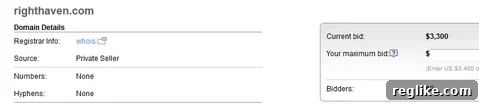
In a significant, albeit understated, event marking the definitive end of an era for one of the internet’s most controversial legal entities, the domain name Righthaven.com has been successfully auctioned off. Once the digital home of a firm that became synonymous with aggressive and often contentious copyright litigation, the domain sold for $3,300 at a public auction hosted by SnapNames. This sale represents a tangible consequence of Righthaven’s downfall, as the proceeds are specifically earmarked to help satisfy a court-ordered settlement in favor of one of the many parties Righthaven had targeted.
The saga of Righthaven is a pivotal chapter in the ongoing narrative of digital copyright enforcement and the broader debate surrounding fair use online. Emerging into the public consciousness with a controversial business model, Righthaven carved out a reputation as a so-called “copyright troll.” Their modus operandi was straightforward yet audacious: they would acquire limited copyrights, often from financially struggling newspaper publishers, specifically for content that had already been published. Following this, they would meticulously scour the internet for websites, blogs, and forums that had republished even small excerpts of this copyrighted material without explicit permission. Their next step was to initiate aggressive lawsuits, frequently demanding not only monetary damages but, in some notorious cases, the relinquishing of the defendant’s own domain name.
The moniker “copyright troll” was swiftly assigned to Righthaven, drawing a clear parallel to “patent trolls”—non-practicing entities that acquire patents not to develop products but to file lawsuits based on alleged infringement. This label underscored the public and legal community’s perception of Righthaven’s strategy: rather than protecting original content creation, their primary aim appeared to be profiting from legal disputes. Their tactics were widely criticized for creating a chilling effect on online speech, deterring legitimate discussion, commentary, and news aggregation, particularly among smaller independent publishers and bloggers who lacked the resources to mount a robust legal defense.
However, Righthaven’s aggressive approach ultimately became its undoing. While initially successful in intimidating some defendants into settlements, their legal strategies began to unravel under closer judicial scrutiny. Courts started to question Righthaven’s standing to sue, particularly whether the limited copyright assignments they possessed truly granted them the right to initiate infringement lawsuits. Several landmark rulings went against Righthaven, most notably concerning the principles of fair use, which protects limited use of copyrighted material for purposes such as commentary, criticism, news reporting, and scholarship. These adverse judgments not only dismissed Righthaven’s claims but also frequently resulted in court orders for Righthaven to pay the legal fees of the defendants—the very individuals and entities they had pursued.
The accumulation of these adverse rulings and the associated legal costs swiftly plunged Righthaven into significant financial distress. What began as an ambitious, profit-driven legal venture quickly spiraled into a cautionary tale of overreach. The company found itself burdened with escalating debts, far outstripping its dwindling revenue from settlements. Public records reveal that Righthaven was eventually ordered to pay at least $63,000 in judgments, a sum that proved insurmountable for the embattled firm. This financial collapse paved the way for the liquidation of its assets, including its very own digital identity, Righthaven.com.
The auction of Righthaven.com at SnapNames, a well-known platform for domain name sales, was more than just a routine transaction; it was a highly symbolic event. The final sale price of $3,300, while modest, contributes directly to compensating a victim of Righthaven’s litigation, offering a small measure of justice. It’s interesting to note the bidding progression: earlier reports indicated that the domain had already attracted bids up to $1,850 with ten days remaining in the auction. While the ultimate sale price didn’t skyrocket into the tens of thousands, it signifies a fair market value for a domain carrying such a loaded history, particularly given its direct association with a now-defunct and disreputable entity. The fact that the domain was sold to settle debts incurred from its own failed legal crusades adds a distinct layer of irony to its final disposition.
The sale of Righthaven’s primary domain name serves as a powerful reminder of the risks associated with aggressive and legally dubious business practices in the digital realm. It underscores the judiciary’s role in safeguarding fundamental principles like fair use and preventing the exploitation of copyright law for purposes that undermine public interest and free expression. For victims of copyright trolling, this auction signifies a small but meaningful victory, reinforcing the idea that even the most formidable legal aggressors can ultimately face consequences for their actions. The event highlights the crucial balance that must be struck between protecting intellectual property rights and fostering a vibrant, open internet where information can be shared, discussed, and analyzed without undue fear of disproportionate legal reprisal.
The Righthaven saga also offered invaluable lessons for webmasters, content creators, and internet users worldwide. It emphasized the critical importance of understanding copyright law, particularly the nuances of fair use. It encouraged website owners to be diligent in verifying the sources of their content, to seek proper licenses when necessary, and to understand their rights when confronted with cease-and-desist letters or legal threats. The public outcry against Righthaven helped galvanize support for digital rights organizations and legal aid efforts aimed at assisting individuals and small businesses targeted by similar predatory legal tactics. It reinforced the notion that a collective defense and strong legal principles are essential bulwarks against those who seek to weaponize copyright for financial gain.
Looking beyond Righthaven, the legal landscape for online copyright enforcement has undoubtedly evolved. While the most egregious forms of “trolling” might have subsided or taken different forms, the underlying tension between content creators’ rights and users’ freedom to share and comment remains. The Righthaven case stands as a stark precedent, influencing how courts, legislators, and internet users perceive and interact with digital copyright. It served as a vital check on overly expansive interpretations of copyright law, ensuring that legal frameworks continue to adapt to the realities of the digital age, rather than stifling its innovative potential and free flow of information.
Speculation naturally surrounds the identity of the new owner of Righthaven.com. Could it be another entity interested in the domain’s historical value, perhaps a legal firm, a digital rights advocate, or even a former Righthaven target seeking a symbolic reclamation? Or is it simply a savvy domain investor recognizing the potential for repurposing a domain with significant, albeit infamous, brand recognition? Only time will tell what future purpose this notorious domain will serve.
Adding another intriguing layer to its history, Righthaven.com itself faced a temporary suspension for an invalid WHOIS record in the past, illustrating a certain irony that a company so fixated on legal compliance from others struggled with its own foundational administrative duties. This incident only contributed to the firm’s reputation for organizational disarray even as it aggressively pursued others.
In conclusion, the auction of Righthaven.com for $3,300 marks a poignant final chapter in the story of a company that once sought to redefine digital copyright enforcement through aggressive litigation. Its downfall, catalyzed by judicial pushback and mounting legal debts, serves as a powerful cautionary tale for anyone contemplating similar tactics. The sale of its domain, contributing to the restitution of its victims, closes a significant chapter in internet legal history, reminding us all of the enduring importance of fair use, accountability, and ethical conduct in the ever-evolving digital landscape.