
Boeing Reinforces Digital Presence with Strategic Domain Registrations for 737 MAX Return Information
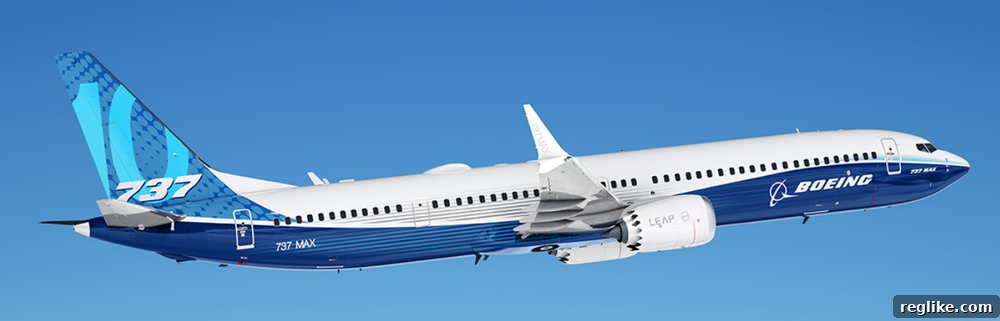
In a strategic move to streamline public access to vital information regarding its embattled 737 MAX aircraft, aerospace titan Boeing (NYSE: BA) has proactively registered a series of pertinent domain names. This initiative underscores the company’s commitment to transparent communication as it navigates the complex path towards the aircraft’s eventual return to service. While Boeing has consistently provided updates via its official corporate portal at www.boeing.com/commercial/737max/737-max-update.page, these newly acquired domains are poised to significantly enhance the discoverability and accessibility of this crucial information for stakeholders worldwide.
Enhancing Accessibility: Boeing’s Digital Strategy for the 737 MAX
The registration of these domain names marks a calculated step in Boeing’s broader digital communication strategy, aiming to centralize and simplify how the public, media, and aviation professionals find updates on the 737 MAX. The company has moved to secure a comprehensive set of web addresses, anticipating various search queries and ensuring that authoritative information is readily available through official channels. This week, the company officially registered:
- 737maxupdate.com, .net, .org
- 737maxupdates.com, .net, .org
- 737update.com, .net, .org
- 737updates.com, .net, .org
As of recent checks, these domain names currently point to Boeing’s official nameservers, indicating their controlled ownership. While they do not yet resolve to active websites, their registration signifies Boeing’s intent to either redirect traffic to its main update page or develop dedicated microsites in the future. This proactive approach is critical in managing information flow, especially during a period of intense public scrutiny and regulatory oversight concerning the 737 MAX.
The Genesis of a Crisis: Understanding the 737 MAX Grounding
The Boeing 737 MAX has been globally grounded since March 2019, following two catastrophic accidents within a five-month span. The first, Lion Air Flight 610 in October 2018, and the second, Ethiopian Airlines Flight 302 in March 2019, tragically claimed the lives of 346 people. Investigations into both crashes pointed to a flaw in the aircraft’s Maneuvering Characteristics Augmentation System (MCAS), a flight control system designed to enhance aircraft handling. This series of events led to an unprecedented global grounding of the entire 737 MAX fleet by aviation authorities worldwide, severely impacting Boeing’s reputation, financial standing, and its position as a global leader in commercial aviation.
The grounding plunged Boeing into one of the most severe crises in its century-long history. It triggered rigorous investigations by regulatory bodies such as the U.S. Federal Aviation Administration (FAA) and the European Union Aviation Safety Agency (EASA), alongside widespread public and governmental demand for greater transparency and accountability. The focus shifted intensely to software updates for the MCAS system, revised pilot training protocols, and a comprehensive re-evaluation of the aircraft’s safety systems before it could be deemed airworthy again. This period has been characterized by intense engineering efforts, extensive testing, and complex negotiations with global regulators, all under the watchful eye of a concerned global public.
Strategic Communication in a Digital Age: Beyond Crisis Management
In today’s interconnected world, an effective digital presence is paramount, especially for a company like Boeing navigating a significant crisis. The registration of these specific domain names is more than just a procedural step; it’s a critical component of a robust crisis communication strategy. By securing domain names such as “737maxupdate.com” and “737updates.org,” Boeing ensures that when individuals search for information about the 737 MAX’s return, they are directed to an official, trusted source. This strategy helps to:
- Prevent Misinformation: By occupying key search terms, Boeing can limit the spread of speculative or inaccurate information from unofficial sources.
- Build Trust: Providing clear, easy-to-find official updates demonstrates transparency and a commitment to keeping the public informed, which is vital for rebuilding trust.
- Enhance SEO: These domain names are highly relevant to potential search queries, improving the likelihood that Boeing’s official updates will rank prominently in search engine results. This organic visibility is invaluable.
- Streamline User Experience: Simple, intuitive domain names make it easier for diverse audiences, from airline partners to the flying public, to locate the information they need without navigating complex corporate websites.
The foresight to register both singular and plural forms of “update” and “updates” across multiple top-level domains (.com, .net, .org) showcases a comprehensive approach to brand protection and user engagement. It anticipates varied search behaviors and ensures broad coverage for these critical keywords.
The Road Ahead: Reinstating the 737 MAX and Rebuilding Confidence
The journey to ungrounding the 737 MAX is multifaceted, involving intricate technical modifications, exhaustive safety validations, and the crucial step of regaining public and airline confidence. Key elements include:
- Software Revisions: Extensive modifications to the MCAS flight control software are at the core of the safety enhancements.
- Rigorous Testing: Both simulated and actual flight tests have been conducted, scrutinized by various global aviation authorities.
- Pilot Training Enhancements: New training modules and simulator requirements are being implemented to ensure pilots are thoroughly familiar with the updated systems and procedures.
- Regulatory Approvals: Each national aviation authority must independently approve the aircraft’s return to service, a process that can vary in duration and requirements.
- Airline Readiness: Airlines operating the 737 MAX must prepare their fleets, retrain pilots, and communicate their readiness to passengers.
The ultimate success of the 737 MAX’s return hinges not only on technical fixes but also on effective communication and a restored perception of safety. Boeing’s efforts to consolidate information through accessible digital channels are thus an indispensable part of this comprehensive recovery strategy. The financial ramifications for Boeing, its airline customers, and the broader aerospace supply chain have been immense, making a safe and confidence-inspiring return to service paramount for the industry’s stability.
Conclusion: A New Chapter for Boeing and the 737 MAX
Boeing’s strategic acquisition of these new domain names underscores its proactive stance in managing public information during a pivotal phase for the 737 MAX. This digital initiative complements the intensive engineering, testing, and regulatory work underway to bring the aircraft back into commercial operation. By making critical updates easily discoverable and authoritative, Boeing aims to foster transparency and rebuild the trust that is essential for its flagship narrow-body jet. The eventual ungrounding of the 737 MAX will mark a significant turning point, not just for Boeing, but for the entire aviation industry, signaling a renewed focus on safety, accountability, and the power of clear communication in overcoming unprecedented challenges.