
Zeal.com Reborn: A Classic Web Directory Gets a Second Life
In an era dominated by algorithmic search and fleeting digital trends, the sale and planned revival of a storied domain name like Zeal.com sends a significant ripple through the internet community. Once a proud beacon of human-powered curation, Zeal.com has found a new owner, marking a compelling chapter in its already rich history. The transaction, expertly brokered by domain name powerhouse NameMedia, saw Zeal.com change hands for a notable sum of $50,000, signaling not just a financial exchange but a torch passing in the digital realm. This move is more than a simple domain acquisition; it’s a testament to the enduring value of brand recognition and the nostalgic power of early internet projects.
The story of Zeal.com is deeply intertwined with the early evolution of the World Wide Web. Before Google became the omnipresent gateway to information, human-powered directories offered a meticulously curated alternative. These platforms, often built and maintained by passionate volunteers, provided organized, quality-checked listings that predated the sophisticated indexing of modern search engines. Zeal.com stood out as one of these pioneers, a vibrant community project that aimed to categorize the burgeoning internet landscape with precision and care. Its eventual acquisition by Looksmart in 2000 for a hefty $20 million underscore its perceived strategic importance during the dot-com boom, positioning it as a potentially formidable rival to the renowned Open Directory Project (DMOZ).
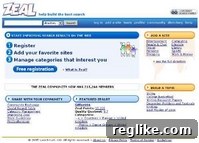
The Legacy of Human-Powered Curation: Zeal.com’s Golden Era
Zeal.com wasn’t just another website; it was a community-driven initiative that embodied the spirit of the early internet – a collective effort to organize and make sense of the vast, unstructured information superhighway. In a time when search engines were still in their nascent stages, often struggling with relevance and spam, human-powered directories like Zeal offered a trusted alternative. Volunteers, known as “Zealots,” dedicated countless hours to reviewing, categorizing, and describing websites, ensuring a level of quality and contextual understanding that algorithms often missed. This meticulous approach fostered a strong sense of community and reliability, making Zeal.com a valuable resource for users seeking credible information.
The strategic move by Looksmart, an early search engine and directory provider itself, to acquire Zeal.com in 2000 for a reported $20 million was a clear indication of its perceived value and potential. At that time, the internet was experiencing explosive growth, and companies were scrambling to establish dominance in information retrieval. Zeal.com, with its established community of editors and high-quality database, was seen as a critical asset. It was often compared to the Open Directory Project (DMOZ), another prominent human-edited directory that served as a foundational resource for many search engines. The ambition was clear: to create a comprehensive and authoritative guide to the web, curated by humans for humans, and rival the best in the business.
However, the digital landscape evolved rapidly. The rise of sophisticated algorithmic search engines, particularly Google, began to shift user expectations. While human curation offered unparalleled quality, it struggled with the sheer scale of the internet’s expansion and the speed at which new content emerged. The manual process simply couldn’t keep pace with the automated indexing capabilities of new search technologies. This fundamental shift, combined with changing business models and the bursting of the dot-com bubble, ultimately led to the decline of many human-powered directories. Zeal.com, despite its strong foundation and dedicated community, eventually succumbed to these pressures, shutting down its operations in March 2006, leaving many “Zealots” mourning its loss.
Kenneth Yeh: A Former Zealot’s Vision for Revival
The new chapter for Zeal.com is being written by someone intimately familiar with its past: Kenneth Yeh. A former volunteer editor, or “Zealot,” himself, Yeh’s acquisition of the domain is deeply personal and imbued with a sense of mission. His commitment to bringing Zeal.com “back to its glory days” is not merely a business venture but a heartfelt endeavor to revive a project he clearly held dear. This personal connection is eloquently articulated in a message he shared on the newly acquired Zeal.com domain, a message that resonates deeply with anyone who remembers the site or values the concept of community-driven digital initiatives.
I know that many of you Zealots like myself were very saddened by the loss of Zeal in March 2006.
For those of you who don’t know me, I was a former volunteer editor at Zeal before it shut down.
As the new owner of this domain, I hope to rejuvenate Zeal and bring it back to its glory days. I’ve been a software engineer for over 10 years and hopefully, I can use my programming skills to develop a web directory worthy of the name Zeal.
Yeh’s words speak volumes about the emotional attachment many had to Zeal.com. His background as a software engineer for over a decade provides a solid foundation for his ambitious plans. The challenge, however, will be immense. The “glory days” of Zeal.com existed in a very different internet ecosystem. To create a “web directory worthy of the name Zeal” in today’s digital age will require a profound understanding of modern user needs, technological advancements, and a reevaluation of what a “directory” truly means. Will it be a niche-focused resource, leveraging AI for curation assistance while retaining human oversight? Will it build a new community or rekindle the old one? These are the questions Kenneth Yeh will undoubtedly grapple with as he embarks on this exciting journey.
The Domain Market: NameMedia’s Role in Digital Assets
The sale of Zeal.com for $50,000 highlights the dynamic and often lucrative world of premium domain names, a market expertly navigated by brokers like NameMedia. NameMedia, a prominent player in the domain industry, operates well-known platforms such as Afternic and BuyDomains, which facilitate the buying and selling of domain names. Their role in this transaction underscores the continued value placed on aged, brandable, and historically significant domains. A $50,000 price tag for Zeal.com is a testament to its strong brand equity, historical relevance, and the coveted .com extension, which remains the gold standard for online presence.
The domain name market is a complex ecosystem, driven by factors such as keyword relevance, brandability, length, extension (.com, .net, .org, etc.), and age. Older domains, particularly those with a history like Zeal.com, often command higher prices due to their established presence, potential for existing backlinks, and inherent trustworthiness in the eyes of search engines and users. NameMedia’s consistent activity in this space, exemplified by sales amounting to approximately $600,000 in the week prior to the Zeal.com deal – including the sale of IMMO.net for $30,000 – showcases the robust demand for valuable digital real estate. IMMO.net, likely targeting the real estate (immobilien) sector, further illustrates how short, memorable, and industry-specific domains retain significant market value, even with non-.com extensions. These transactions reflect a broader understanding among entrepreneurs and businesses that a strong domain name is a foundational asset for any online venture, often worth a substantial investment.
Reimagining Curation: The Future of Zeal.com in a Digital-First World
The revival of Zeal.com by Kenneth Yeh presents a fascinating case study for the future of web curation. In an internet saturated with user-generated content, AI-driven recommendations, and the sheer volume of information, the concept of a “human-powered directory” faces both immense challenges and unique opportunities. To truly rejuvenate Zeal, Yeh must consider how to blend its historical strengths with modern technological capabilities and user expectations.
One potential path for a reborn Zeal.com could be hyper-specialization. Instead of attempting to categorize the entire web, a monumental task that even algorithms struggle with, Zeal could focus on niche areas where human expertise is indispensable. This could involve highly technical fields, artistic communities, academic resources, or even unique cultural archives where careful, expert curation adds significant value beyond what automated systems can provide. Such a focused approach would allow for the deep, quality-driven curation that defined the original Zeal, creating a trusted resource for a specific audience.
Furthermore, leveraging modern technologies like artificial intelligence could augment human curators, rather than replace them. AI could assist in identifying new content, filtering spam, suggesting categories, and even personalizing user experiences, allowing human editors to focus on the higher-level tasks of evaluation, insight, and nuanced categorization. Building a vibrant, engaged community will also be crucial. Modern platforms thrive on interaction and contribution. Zeal.com could integrate forums, user reviews, or a reputation system for contributors, fostering a new generation of “Zealots” who are invested in the quality and direction of the directory. The challenge lies in creating a sustainable model that balances the original ethos of human curation with the scalability and efficiency demanded by today’s digital landscape, ensuring that Zeal.com’s second life is as impactful, if not more so, than its first.
A New Dawn for a Digital Icon
The acquisition of Zeal.com by Kenneth Yeh is more than just a transaction; it’s a narrative of passion, digital heritage, and the enduring belief in the value of human-curated information. From its origins as a promising rival to Open Directory under Looksmart’s wing to its eventual dormancy, Zeal.com has always held a special place in the annals of internet history. Now, with a dedicated former editor at the helm, armed with years of software engineering expertise, the prospect of its rejuvenation is genuinely exciting.
This endeavor serves as a poignant reminder that while technology relentlessly pushes forward, the core human need for reliable, organized, and trusted information remains constant. As Kenneth Yeh embarks on the challenging yet rewarding task of developing a web directory “worthy of the name Zeal,” the internet community watches with anticipation. His vision for Zeal.com represents not just the revival of a classic domain but potentially a new model for how curated content can thrive in a world increasingly reliant on artificial intelligence. The journey ahead for Zeal.com promises to be a compelling exploration of how historical value can be reimagined for future relevance, offering a beacon of hope for digital nostalgia and intelligent curation alike.