
GoogleBaidu.com: Unpacking the Intriguing Domain Dispute Between Tech Giants Google and Baidu
In the vast, interconnected world of the internet, where brand identity is paramount, even the largest corporations find themselves navigating complex legal landscapes to protect their digital assets. A fascinating case in point emerged concerning the domain name GoogleBaidu.com. While Baidu may hold a dominant position in the Chinese search market, this particular episode saw global tech giant Google securing control over a domain that intriguingly combined its brand with that of its primary competitor.
The resolution came through an arbitration case handled by the National Arbitration Forum, where Google was ultimately awarded ownership of GoogleBaidu.com. This decision highlights the rigorous efforts companies undertake to safeguard their trademarks and prevent potential brand confusion or exploitation online.
The Genesis of the Dispute: A Deceptive Digital Impersonation
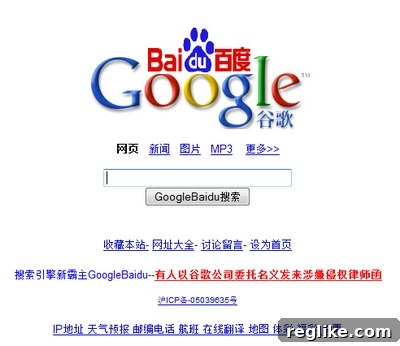
It’s easy to understand why Google felt compelled to act against the GoogleBaidu.com domain. The website wasn’t merely a placeholder or an unused address; it was actively designed to mislead. Upon resolution, the domain led users to a page strikingly similar to Google’s iconic homepage, yet it was presented entirely in Chinese. What made it particularly problematic and a clear instance of potential trademark infringement was its clever, albeit illicit, use of a hybrid logo – a combination of both the Google and Baidu brand elements.
This visual misdirection created a high potential for user confusion, blurring the lines between two distinct, albeit competing, search engine services. For any internet user, encountering such a page could easily suggest a partnership or a merged entity between Google and Baidu, an assumption that was entirely false and strategically misleading.
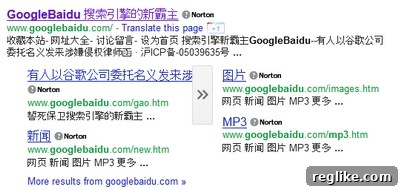
Adding another layer of legitimacy, and thus deception, to the rogue site, the GoogleBaidu.com domain was also effectively indexed within Google’s own search engine results. This meant that users searching for terms related to either company might inadvertently stumble upon or even be directed to this confusing, unauthorized page, further amplifying its potential to cause harm to Google’s brand integrity and user trust.
Navigating the Legal Landscape: The UDRP Framework
Google’s victory in this domain dispute was not a matter of corporate muscle but a testament to the robust legal framework governing domain name disputes: the Uniform Domain-Name Dispute Resolution Policy (UDRP). Established by the Internet Corporation for Assigned Names and Numbers (ICANN), the UDRP provides an administrative, often faster and more cost-effective, alternative to traditional litigation for resolving disputes over domain name registrations. It’s the primary mechanism for trademark holders to combat cybersquatting – the practice of registering, trafficking in, or using a domain name with the bad-faith intent to profit from the goodwill of a trademark belonging to someone else.
To succeed in a UDRP proceeding, a complainant like Google must typically prove three critical elements concerning the disputed domain name:
1. The Domain Name is Identical or Confusingly Similar to a Trademark or Service Mark in Which the Complainant Has Rights
Google undoubtedly possesses extensive trademark rights for “Google.” The addition of “Baidu” to form “GoogleBaidu.com” created an undeniable confusing similarity, especially given the site’s deceptive appearance and the global prominence of both brands in the search engine industry. The mere combination of two well-known trademarks often constitutes confusing similarity, particularly when used in a context that suggests association or endorsement.
2. The Registrant Has No Rights or Legitimate Interests in Respect of the Domain Name
The burden of proof then shifts to demonstrate that the domain’s registrant had no legitimate reason to own “GoogleBaidu.com.” Legitimate interests typically include using the domain for a genuine business offering, being commonly known by the domain name, or making legitimate non-commercial or fair use of the domain. In this case, the registrant was clearly attempting to capitalize on the goodwill and recognition of Google’s brand, coupled with Baidu’s, without any authorization or legitimate claim.
3. The Domain Name Has Been Registered and Is Being Used in Bad Faith
Proving bad faith is crucial. This element looks at the registrant’s intent. Examples of bad faith include registering a domain primarily for the purpose of selling it to the trademark owner for a profit (typosquatting), registering it to prevent a trademark owner from reflecting the mark in a corresponding domain name, or intentionally attempting to attract internet users for commercial gain by creating a likelihood of confusion with the complainant’s mark. The mimicking of Google’s interface, the combined logo, and the strategic choice of the domain name itself were all strong indicators of bad faith intent, aimed at misleading users and leveraging Google’s established reputation.
Google’s Victorious Stance: A Precedent for Brand Protection
Google’s successful arbitration outcome underscores the effectiveness of the UDRP in safeguarding intellectual property in the digital realm. The arbitration panel found unequivocally that Google had met all three criteria. The GoogleBaidu.com domain was undeniably confusingly similar to Google’s trademark, its registrant had no legitimate rights or interests in using such a domain, and the registration and active use of the domain were clearly in bad faith, designed to exploit Google’s brand equity.
This victory sends a clear message to potential cybersquatters and those who might seek to profit from brand confusion. It demonstrates that major corporations, even those with immense global reach, are vigilant and proactive in defending their trademarks against unauthorized use and deceptive practices.
Beyond the Win: Implications and Irony
While Google’s win was a clear triumph for brand protection, it also places the company in a somewhat ironic and interesting position. Google now officially owns a domain name that explicitly includes the trademark of one of its primary global competitors, Baidu. This unique circumstance highlights the complex interdependencies and competitive dynamics within the tech industry, where legal battles over domain names can lead to unexpected and unconventional outcomes.
However, the broader implication is one of strength and vigilance. This case solidifies Google’s commitment to policing its brand reputation and intellectual property across all corners of the internet, regardless of geographical boundaries or market competitors. It serves as a reminder that brand protection is a continuous and often intricate process for any entity operating in the digital space.
A Nod to Ethical Conduct: Google’s Measured Approach
It is also worth noting the ethical dimension of how Google approached this problem. Despite its immense power and influence over global search results, Google chose to address the issue through proper legal channels – the National Arbitration Forum. This decision speaks volumes about Google’s commitment to fair play and adherence to established dispute resolution mechanisms. Instead of potentially manipulating its search algorithm to delist or suppress the infringing domain, which might have been a tempting, albeit unethical, shortcut, Google pursued the correct and legitimate path.
This approach reinforces trust, not only in Google’s handling of specific incidents but also in the broader integrity of its services and its respect for legal processes. It sets a positive example for how powerful entities should manage brand infringements, prioritizing legal and ethical solutions over unilateral, potentially abusive, actions.
Key Takeaways for Brand Owners in the Digital Age
The GoogleBaidu.com case offers invaluable lessons for businesses of all sizes striving to protect their online presence:
- Proactive Domain Monitoring: Continuous monitoring of domain name registrations is crucial to detect potential infringements early.
- Strong Trademark Portfolio: Robust trademark registrations across relevant jurisdictions are the foundation for any successful brand protection strategy.
- Understanding UDRP: Familiarity with the UDRP policy and its requirements empowers trademark holders to act swiftly and effectively against cybersquatting.
- Swift Action: Delay in addressing domain infringements can weaken a case. Acting promptly demonstrates commitment to brand protection.
- Ethical Resolution: Pursuing legitimate legal avenues for dispute resolution maintains credibility and fosters a more equitable online environment.
Conclusion: A Victory for Brand Integrity
The resolution of the GoogleBaidu.com domain dispute stands as a clear victory for Google and a significant moment in the ongoing battle for brand integrity online. It underscores the critical importance of vigilant brand protection and the efficacy of mechanisms like the UDRP in maintaining order and fairness in the digital landscape. For businesses navigating the complexities of the internet, this case serves as a powerful reminder: protecting your brand is an continuous journey that demands constant vigilance, strategic action, and a commitment to ethical resolution.