
ICANN’s Evolving Forecast: Unpacking the Surge in New gTLD Application Withdrawals
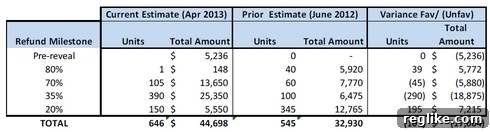
The Internet Corporation for Assigned Names and Numbers (ICANN) has significantly revised its projections, now forecasting a substantial increase to 646 withdrawn applications for new Generic Top-Level Domains (gTLDs). This updated outlook suggests a dynamic shift in applicant strategies, with the majority of these withdrawals anticipated to occur after the initial evaluation period. This critical forecast offers valuable insights into the evolving landscape of the new gTLD program and its financial implications.
In the intricate world of domain names, ICANN stands as the global multi-stakeholder organization responsible for coordinating the maintenance and procedures of several databases related to the namespaces and numerical spaces of the Internet, ensuring its stable and secure operation. One of its most ambitious initiatives has been the New gTLD Program, designed to expand the variety of domain name endings beyond traditional ones like .com, .org, and .net. This program opened a floodgate of innovation, allowing brands, communities, and cities to apply for their own unique TLDs, fostering competition and creating new digital real estate.
The application process for a new gTLD is notoriously rigorous and costly, involving a non-refundable application fee of $185,000, extensive technical and financial scrutiny, and potential contention with other applicants vying for similar domain strings. Given this complexity, it’s perhaps unsurprising that some applicants opt to withdraw their applications at various stages. As of today, 66 applications have already been formally withdrawn. However, for budgeting purposes, ICANN now projects this number to dramatically escalate to 646 before the entire process concludes, indicating a significant recalibration of expectations.

ICANN’s Financial Year 2014 Projections: A Deeper Look
This revised forecast was unveiled within ICANN’s proposed operating plan and budget for the 2014 financial year, which commenced in July 2013. The updated figure of 646 projected withdrawals represents a notable increase from a previously budgeted estimate of 545 applications withdrawn. This upward adjustment underscores ICANN’s commitment to accurate financial planning and resource allocation, as withdrawals directly impact the revenue streams and operational demands associated with processing the remaining applications.
Understanding the stages at which withdrawals are predicted to occur offers a clearer picture of applicant decision-making and the incentives involved. ICANN has broken down its projections into three primary phases, each linked to different refund percentages of the initial application fee, encouraging applicants to make timely strategic choices.
Phase 1: Withdrawals Before Initial Evaluation
ICANN anticipates that approximately 105 applications will be withdrawn before they successfully pass through the crucial initial evaluation phase. The initial evaluation is a fundamental step where ICANN assesses an applicant’s technical, operational, and financial capabilities to run a registry. It’s a comprehensive review designed to ensure that only qualified entities can proceed. Applicants who withdraw at this early juncture receive a 70% refund of their $185,000 application fee.
The reasons for withdrawing at this stage can vary widely. Some applicants might, upon deeper self-assessment or expert consultation, realize they lack the necessary technical infrastructure or financial backing. Others may experience strategic shifts within their organizations, leading them to deprioritize or abandon their gTLD aspirations. The relatively high refund percentage serves as a strong incentive for applicants to make an informed decision early on, minimizing potential losses if their viability or commitment to the program diminishes.
Phase 2: Withdrawals Post-Initial Evaluation, Pre-Contention Resolution
The largest contingent of anticipated withdrawals falls into this category: a projected 390 applications are expected to be withdrawn after successfully clearing initial evaluation but before critical processes such as string contention resolution, dispute resolution, or extended evaluation are completed. This phase is particularly interesting because it suggests a strategic pivot by applicants in the face of potential battles.
String contention arises when multiple parties apply for the same or confusingly similar gTLD strings. This often leads to an auction process or a mutual agreement between applicants. Dispute resolution mechanisms are in place for various other types of conflicts that may arise. ICANN’s prediction that many applicants in contention sets will withdraw is predicated on the expectation that these applicants will strike private deals with each other. Such deals can involve one party withdrawing in exchange for financial compensation, a stake in the registry, or rights to a different domain string. These applicants, withdrawing after initial evaluation but before a definitive resolution of contention, will receive a 35% refund.
The allure of private settlements is significant. They can bypass the often lengthy, costly, and uncertain outcomes of ICANN’s formal contention resolution processes, including auctions which can drive up the ultimate cost of acquiring a gTLD significantly. For many, a strategic withdrawal with a 35% refund and a private settlement offers a more predictable and potentially more cost-effective path to achieving their broader domain strategy.
Phase 3: Withdrawals After Contention Resolution and Extended Evaluation
A further 150 applications are forecasted to be withdrawn at a much later stage: after string contention resolution, dispute resolution, and extended evaluation processes have been completed. By this point, applicants have typically invested considerable resources, time, and effort, having navigated complex stages of the program. Those withdrawing at this late stage will receive a 20% refund of their initial application fee, reflecting the greater administrative burden and resource allocation ICANN has already committed to their applications.
Withdrawals at this stage might stem from a variety of factors. An applicant might have lost a contention set, rendering their application less appealing. Market conditions could have shifted dramatically, altering the perceived value or viability of the gTLD. Unforeseen operational challenges or a reassessment of the long-term return on investment after all hurdles have been cleared could also prompt a withdrawal. Despite reaching advanced stages, a strategic exit, even with a smaller refund, might still be preferable to committing to an operation that is no longer deemed sustainable or profitable.
A Reversal in Trends: The Rise of Early Private Settlements
Notably, this latest forecast represents a significant reversal of prior predictions. Earlier projections had anticipated that the majority of withdrawals would occur much later, specifically only after final contention resolution. The current shift indicates a growing trend among applicants to settle their contention sets privately much earlier in the process, often before the results of initial evaluation are even posted publicly.
This evolution in strategy highlights a maturing understanding of the new gTLD program by applicants. The high costs associated with protracted contention, the uncertainties of auctions, and the desire for greater control over the outcome are likely driving this trend towards proactive negotiation and settlement. From a business perspective, securing a deal and withdrawing with a 35% refund—or even a 70% refund if a settlement is reached pre-initial evaluation—is often more financially prudent than risking a full loss in a contested scenario or incurring further escalating costs for a potentially unfavorable outcome.
The GAC Early Warning Exception
In a unique instance, one application was withdrawn within 21 days of receiving a Governmental Advisory Committee (GAC) Early Warning. The GAC is an advisory body composed of representatives from national governments, economies, and multilateral governmental organizations. An Early Warning signals that a proposed gTLD may raise public policy concerns or potential conflicts with existing laws or regulations. An applicant receiving such a warning and acting swiftly to withdraw received an 80% refund.
This particular refund percentage is significantly higher than other stages, reflecting ICANN’s encouragement for applicants to address governmental concerns promptly. It acts as an incentive for quick resolution or withdrawal when public policy issues are identified, helping to prevent more complex and potentially politically charged disputes later in the process.
Implications for the Domain Name Industry
These evolving forecasts from ICANN have profound implications across the entire domain name ecosystem. For ICANN itself, accurate budgeting based on these projections is crucial for effective resource planning, allowing the organization to manage its operational costs and administrative overhead efficiently. It also provides a clearer understanding of the program’s trajectory and the demands it places on the organization.
For current and prospective gTLD applicants, these figures serve as a critical learning experience. They underscore the importance of meticulous strategic planning, thorough financial assessment, and a realistic understanding of the competitive landscape. The emphasis on early withdrawals and private settlements highlights that flexibility and a willingness to negotiate are key attributes for success in this domain expansion era. It also suggests that future rounds of gTLD applications, if they occur, might see applicants entering the process with even more refined strategies for managing contention and risk.
The broader domain name industry, including registrars, registries, and domain investors, can also glean valuable insights. The eventual number of deployed new gTLDs will influence market dynamics, competition for registrations, and the overall landscape of the internet’s naming system. A higher number of withdrawals, particularly in contention sets, could mean fewer new strings ultimately come to market than initially anticipated, potentially impacting business models built around new gTLD proliferation.
Conclusion: A Maturing Program and Strategic Choices
ICANN’s revised forecast of 646 withdrawn new gTLD applications is more than just a budgetary adjustment; it’s a window into the maturing dynamics of a groundbreaking program. It reflects a growing sophistication among applicants who are increasingly making strategic decisions to withdraw at optimal points, often through private settlements, to manage costs, mitigate risks, and achieve their long-term digital branding objectives. The shift away from late-stage withdrawals toward earlier strategic exits demonstrates that the new gTLD program, while complex, is fostering an environment where calculated business decisions are paramount. As the program continues to unfold, these trends will undoubtedly shape the future diversity and structure of the internet’s expanding domain name space.