
Seattle’s Domain Name Landscape: Insights into Modern Branding and Digital Presence
The digital age has fundamentally reshaped how businesses connect with their audiences, and at the heart of every online interaction lies a crucial element: the domain name. More than just a web address, a well-chosen domain is a powerful branding tool, a memorable identifier, and a gateway to a company’s digital presence. During my recent month-long retreat in Seattle, a delightful escape from the scorching Texas summer, I embarked on an informal exploration of the city’s diverse domain name landscape. Seattle, a vibrant hub of innovation and diverse enterprises, offers a fascinating microcosm of current trends in digital branding.
While the locals might have been grumbling about the uncharacteristically warm 80-degree days, I found the Pacific Northwest climate a welcome reprieve. Beyond enjoying the scenic beauty and urban charm, my habit of “domain spotting” revealed some intriguing choices by local businesses and developments. From cutting-edge New Generic Top-Level Domains (GTLDs) to classic .coms and even some puzzling omissions, these observations offer valuable lessons in effective digital marketing and brand identity. Let’s delve into some of the most notable domain names that captured my attention, dissecting the strategies behind their selection and their impact on online visibility and consumer perception.
Strategic Branding with New GTLDs: Southport.life
Seattle’s meteoric growth over the past few decades has transformed its urban fabric, pushing development outwards as the city center becomes increasingly unaffordable. This dynamic has revitalized surrounding communities, none more so than Renton. Historically known for its working-class roots and manufacturing industries, Renton is undergoing a significant metamorphosis, emerging as an attractive destination for both residential living and commercial office spaces. This shift is a direct response to the insatiable demand for housing and business infrastructure in the greater Seattle area, drawing attention to areas that once stood in the shadow of the bustling metropolis.
At the forefront of Renton’s revitalization is Southport, an ambitious, large-scale development majestically situated on the southern shores of Lake Washington. This isn’t just another real estate project; it’s a vision for a holistic lifestyle, encompassing luxury residences, modern office complexes, and vibrant retail spaces. Walking through the elegant new Hyatt Regency, which anchors a significant portion of the development, I encountered prominent signage promoting the Southport vision. The chosen domain name, Southport.life, immediately caught my eye, highlighting a savvy approach to branding.
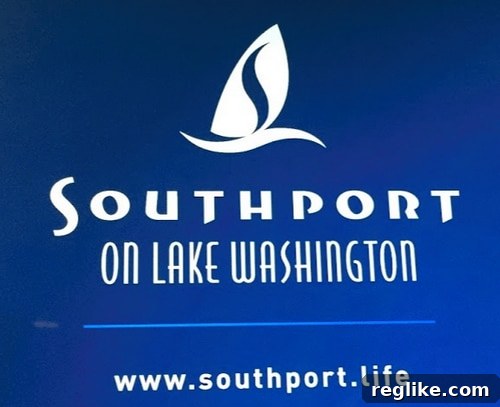
The decision to use Southport.life is particularly insightful when considering the typical challenges in securing premium domain names. The generic Southport.com is owned by Digimedia, a prominent domain investment company, making it potentially unavailable or prohibitively expensive for direct use. This common scenario often prompts businesses to seek alternative, yet equally effective, domain strategies. Southport’s marketing team expertly navigated this by embracing a New GTLD that perfectly encapsulates their brand’s essence and avoids the pitfalls of domain acquisition.
The “.life” Top-Level Domain (TLD) is an exemplary choice for a development like Southport. It goes beyond merely identifying a location; it directly communicates the core promise of the project – a superior quality of life, a vibrant community, and an aspirational lifestyle. In an era where consumers seek more than just brick and mortar, but rather an experience and a sense of belonging, a domain like Southport.life resonates deeply. It’s concise, memorable, and immediately conveys the brand’s focus, making it a powerful tool for digital marketing and SEO. By opting for a descriptive GTLD, Southport differentiates itself, establishes a clear brand identity, and effectively pitches its unique value proposition to potential residents and businesses. This strategic domain choice not only enhances their online presence but also reinforces their entire marketing narrative, proving that sometimes, moving beyond the traditional .com can open doors to more impactful branding and better connect with a target audience.
The Enduring Power of Short Domains: RFI.com
While new GTLDs offer exciting avenues for specialized branding, the classic three-letter (LLL) .com domain continues to hold immense prestige and value in the digital world. Walking to lunch one afternoon, my gaze landed on a commercial van adorned with a crisp, impactful logo and the domain RFI.com. There’s a certain satisfaction in seeing a prime, concise domain put to active use by an operating business, especially given their rarity and often significant acquisition cost. These coveted domains are often hallmarks of established companies, reflecting their long-standing presence and investment in their brand’s digital foundation.
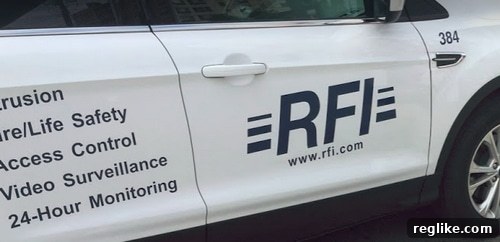
RFI Communications & Security Systems is a well-established West Coast company specializing in the design, installation, and maintenance of commercial security systems. For a business operating in the B2B sector, where trust, reliability, and professionalism are paramount, a domain like RFI.com offers undeniable advantages. Its brevity makes it incredibly easy to remember, type, and communicate verbally. In an era of shrinking attention spans, a short, memorable domain minimizes friction for potential clients seeking information or services, making their journey to your website seamless.
From an SEO perspective, while a three-letter acronym might not inherently be keyword-rich, its inherent brand equity and ease of recall contribute significantly to direct traffic. Over time, as RFI builds its reputation and online presence, RFI.com becomes synonymous with its brand, leading to direct navigation and brand-driven searches, which search engines increasingly value as a signal of authority. Furthermore, seeing such a premium domain on a company vehicle instantly conveys a sense of established credibility and market leadership. It subtly communicates that RFI is a serious, long-standing player in its industry, fostering trust even before a user visits the site. This observation underscores that while new domain trends emerge, the fundamental power of a strong, concise .com for brand recognition and trust remains as relevant as ever in solidifying a company’s online presence.
Niche Marketing with Purpose-Built Domains: HillTopper.bike
Seattle is renowned for its stunning natural beauty, vibrant urban culture, and a distinct feature that poses both a challenge and an opportunity for its residents: its famously hilly terrain. While these elevations offer breathtaking views, they can be a deterrent for cyclists, despite the city’s strong and passionate biking culture. The rise of electric bicycles (e-bikes) has provided a revolutionary solution, making cycling more accessible and enjoyable for a broader demographic, including those who previously shied away from Seattle’s challenging inclines. E-bikes effectively democratize cycling, inviting more people to enjoy the health benefits and environmental advantages of two-wheeled transport.
It was against this backdrop that I encountered an advertisement that brilliantly leveraged a niche Top-Level Domain: HillTopper.bike. The poster promoted a kit designed to add motorized power to existing bicycles, effectively transforming them into e-bikes. This product directly addresses one of Seattle’s most prominent cycling challenges, and the domain name perfectly encapsulates its solution and target audience, making an immediate and relevant connection with potential customers.
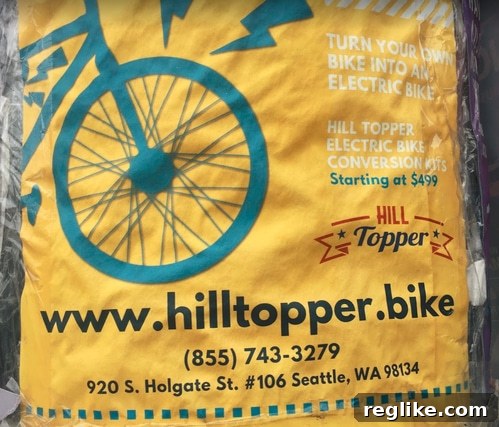
The choice of the “.bike” GTLD is a textbook example of effective niche marketing. It immediately tells potential customers exactly what the business is about, eliminating any ambiguity. For anyone interested in cycling or electric bikes, HillTopper.bike is intuitive, memorable, and directly relevant. This specificity is a significant advantage in competitive online landscapes, where clarity can significantly boost conversion rates. While the domain currently forwards to electric-bike-kit.com, it’s clear why the shorter, more evocative, and brand-specific “.bike” domain is preferred for promotional materials. It’s easier to type, easier to remember, and has a stronger marketing appeal, creating an instant connection with the product’s function.
From an SEO standpoint, having “bike” as part of the TLD directly signals to search engines and users the product’s industry, potentially improving relevance for related searches. This directness enhances click-through rates and ensures that marketing efforts are highly targeted. Niche GTLDs like .bike empower businesses to craft highly relevant and distinctive online identities, cutting through the noise with clarity and purpose. HillTopper.bike perfectly illustrates how modern domain strategies can be tailored to specific products and audiences, maximizing their impact and making a strong connection with an engaged community, ultimately contributing to a more effective digital marketing campaign.
The Curious Case of “Jucy”: The Perils of a Missing Domain
Amidst the varied and often clever domain name choices I observed, one encounter stood out not for its strategic brilliance, but for its perplexing omission. I spotted a colorful campervan with prominent branding for “Jucy,” a company offering rental campervans. What was conspicuously absent, however, was any mention of a website address or a domain name. Instead, the only instruction provided was to “Google Jucy.”
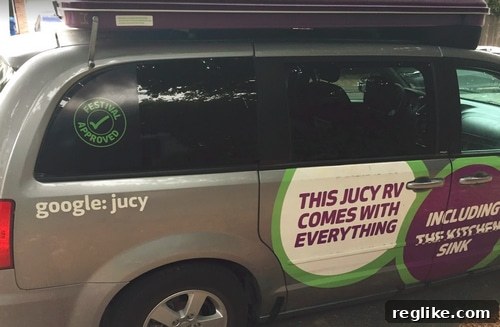
This approach, while somewhat common in certain international markets like Japan (where searching for a brand name on mobile devices is a default behavior due to cultural norms and search engine dominance), is remarkably rare and, frankly, puzzling in the United States. In the U.S., consumers are conditioned to expect a direct website address – a clear call to action that guides them precisely to the company’s online home. Sending potential customers to a search engine introduces unnecessary friction and a myriad of potential problems, directly impacting user experience and brand control.
Firstly, it compromises the user experience. Instead of a direct path, individuals must take an extra step, interrupting their journey. This added effort can lead to abandonment, especially if they are distracted or in a hurry, resulting in lost leads. Secondly, and more critically, it surrenders control over the initial brand impression. When someone Googles “Jucy,” they might encounter search results that include competitors, negative reviews, or outdated information, rather than the carefully curated message of the brand’s official website. This can dilute brand identity, create confusion, and even steer potential customers towards alternatives, undermining significant marketing efforts.
Furthermore, relying solely on search engine discovery bypasses the immense value of direct navigation and brand-building that a memorable domain name provides. A domain is a company’s unique digital fingerprint, an asset that ensures immediate access and reinforces brand recall. In an age where every touchpoint matters, missing a clear domain name on prominent advertising like a vehicle is a significant missed opportunity for direct traffic, brand reinforcement, and ultimately, conversions. It serves as a potent reminder that while convenience is key, sacrificing direct online presence for a “Google it” approach can be detrimental to a business’s digital strategy and its ability to effectively engage with potential clients and control its narrative.
Conclusion: The Ever-Evolving Art of Domain Name Strategy
My month in Seattle offered more than just a reprieve from the heat; it provided a fascinating lens through which to observe the evolving landscape of domain name strategies. From the pioneering use of New GTLDs that perfectly articulate a lifestyle or niche, to the enduring power and trust conveyed by classic, concise .coms, and even the cautionary tale of a brand neglecting its direct digital address, these examples highlight the critical role domain names play in modern branding and online presence.
Businesses today face a wealth of choices when it comes to their digital identity. The success stories of Southport.life and HillTopper.bike demonstrate how New GTLDs can offer unparalleled opportunities for specificity, memorability, and targeted marketing, allowing brands to communicate their essence directly through their web address. These domains enhance SEO by providing clearer context to search engines and users, driving more qualified traffic. Meanwhile, RFI.com reminds us that short, premium .com domains remain invaluable assets, signifying authority and fostering immediate trust, particularly for established businesses with strong brand equity.
Conversely, the “Jucy” example serves as a stark reminder of the perils of neglecting a clear digital storefront. In an increasingly competitive online world, providing a direct, unambiguous path to a company’s website is not merely a convenience; it’s a fundamental requirement for effective user experience, brand control, and successful customer acquisition. A strategically chosen domain name is an investment that pays dividends in brand recognition, SEO performance, and overall digital marketing efficacy, ensuring that every marketing effort leads directly to a company’s official online home.
As the digital landscape continues to evolve, so too will the art and science of domain name selection. Businesses that approach this decision with foresight, creativity, and a deep understanding of their target audience will undoubtedly gain a significant advantage, ensuring their online presence is not just visible, but truly impactful. The diverse approaches seen across Seattle underscore that whether you’re building a new community, securing businesses, or helping cyclists conquer hills, your domain name is often the first, and most lasting, impression you make in the digital realm, making it an indispensable part of any comprehensive brand and marketing strategy.