
Snoop Dogg Triumphs in Cybersquatting Battle Over ‘SnoopDoggBush.com’ Domain
In a significant victory for celebrity intellectual property rights, legendary rapper Calvin Broadus, famously known as Snoop Dogg, has successfully won a cybersquatting dispute concerning the domain name SnoopDoggBush.com. The World Intellectual Property Organization (WIPO) ruled in favor of the iconic artist, underscoring the critical importance of brand protection in the digital landscape.
Understanding the Snoop Dogg Case: A Digital Showdown
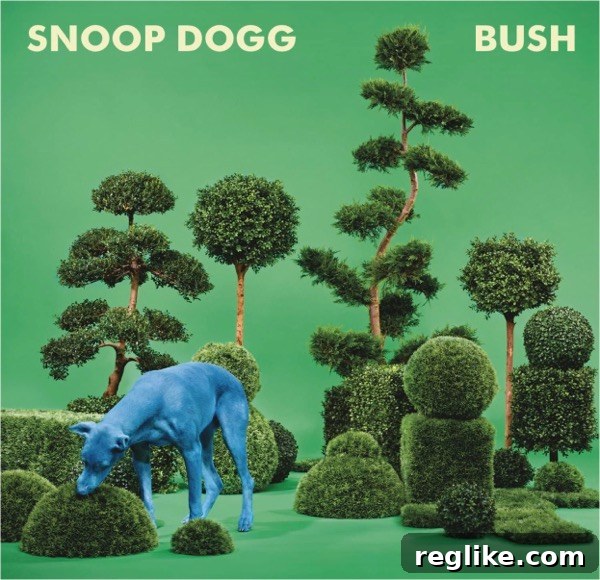
The dispute, initiated by Snoop Dogg himself, targeted a registrant based in Ukraine who had illicitly registered the domain SnoopDoggBush.com. The name is directly linked to Snoop Dogg’s thirteenth studio album, “Bush,” which was released to critical acclaim in 2015. This album marked a unique foray into funk and R&B, produced entirely by Pharrell Williams, further cementing its significance within Snoop Dogg’s extensive discography and brand identity.
The Registrant’s Curious Misuse
What makes this case particularly intriguing is the registrant’s bizarre use of the disputed domain. Instead of leveraging the domain for anything remotely related to Snoop Dogg, his music, or even general entertainment, the Ukrainian registrant was actively promoting a pet monitoring application named “Snoop Cube.” The incongruity of using a domain explicitly referencing a global music superstar and his album to market a pet-care product was a central point of contention. This clear lack of legitimate connection or interest on the registrant’s part played a crucial role in WIPO’s decision.
The registration by the Ukrainian party occurred in October 2024. Interestingly, the domain had a history of previous misuse. Prior to the Ukrainian registrant, it was held by an individual in Poland who used it to offer free, unauthorized downloads of Snoop Dogg’s “Bush” album. While this prior infringement wasn’t the direct subject of Snoop Dogg’s specific WIPO complaint against the Ukrainian registrant, it highlights a recurring pattern of individuals attempting to capitalize on popular trademarks for personal gain.
What is Cybersquatting and Why Does it Matter?
Cybersquatting refers to the practice of registering, trafficking in, or using a domain name with the bad faith intent to profit from the goodwill of a trademark belonging to someone else. It’s a prevalent issue in the digital age, affecting individuals, businesses, and celebrities alike. The motivation behind cybersquatting often includes:
- Holding for Ransom: Registering a domain name related to a trademark with the intent of selling it back to the legitimate trademark owner at an inflated price.
- Dilution of Brand: Using a similar domain to confuse consumers, diverting traffic from the legitimate site, or associating the brand with unrelated or even harmful content.
- Infringement and Piracy: As seen with the previous SnoopDoggBush.com registrant, using the domain to distribute unauthorized content, thereby infringing on copyright and trademark.
- Direct Competition: Sometimes, cybersquatters use domains to compete directly with the trademark owner, offering similar products or services under a confusingly similar name.
For celebrities like Snoop Dogg, their name and associated intellectual property are not just identifiers; they are valuable brands built over decades of work. Cybersquatting directly threatens this brand equity, potentially leading to financial losses, reputational damage, and consumer confusion.
The Role of WIPO and the UDRP
Snoop Dogg filed his dispute with the World Intellectual Property Organization (WIPO), one of the leading providers of domain name dispute resolution services globally. WIPO administers the Uniform Domain-Name Dispute-Resolution Policy (UDRP), an international framework designed to resolve conflicts between trademark owners and domain name registrants without resorting to lengthy and costly court litigation.
Under the UDRP, a complainant (like Snoop Dogg) must prove three key elements for a domain name to be transferred:
- The domain name is identical or confusingly similar to a trademark or service mark in which the complainant has rights. In this case, “SnoopDoggBush.com” clearly leverages “Snoop Dogg” and his “Bush” album, both of which are strongly associated with his established brand and intellectual property.
- The registrant has no rights or legitimate interests in respect of the domain name. The Ukrainian registrant’s use of the domain to promote a pet monitoring app, with no discernible connection to Snoop Dogg or his album, unequivocally demonstrated a lack of legitimate interest. There was no evidence that the registrant was commonly known by the domain name, making legitimate fair use arguments implausible.
- The domain name has been registered and is being used in bad faith. The act of registering a domain directly incorporating a famous trademark with the knowledge of that trademark’s existence, and then using it for unrelated commercial purposes, is generally considered an act of bad faith. The intention was clearly to capitalize on Snoop Dogg’s fame, even if the eventual use was incongruous.
The WIPO panel’s decision in favor of Snoop Dogg illustrates how effectively the UDRP mechanism can protect trademark owners against opportunistic domain name registrations. It serves as a stark reminder to potential cybersquatters that celebrity names and brands are robustly protected under international intellectual property laws.
Protecting Your Brand in the Digital Age: Lessons from Snoop Dogg
This case offers valuable lessons for businesses and individuals seeking to protect their brands online:
- Proactive Trademark Registration: The foundation of any strong brand defense begins with registering your trademarks. This provides legal grounds for enforcing your rights against infringers.
- Comprehensive Domain Portfolio: Don’t just register your primary domain. Consider variations, common misspellings, and relevant keywords to prevent cybersquatters from exploiting them.
- Vigilant Monitoring: Regularly monitor new domain registrations that might infringe on your trademarks. Specialized services can help track potential cybersquatting attempts.
- Act Swiftly: If an infringement is detected, act quickly. Filing a UDRP complaint or pursuing other legal avenues promptly can prevent further damage and strengthen your case.
- Document Everything: Maintain thorough records of your trademark use, registration dates, and any communications related to potential infringements. This evidence is crucial in dispute resolution.
The digital landscape is vast and ever-evolving, presenting both opportunities and challenges for brand owners. The Snoop Dogg dispute highlights the ongoing struggle to maintain control over one’s identity and intellectual property in an environment ripe for exploitation.
Conclusion: A Win for Intellectual Property Rights
Snoop Dogg’s successful cybersquatting dispute over SnoopDoggBush.com is more than just a win for one artist; it’s a powerful affirmation of intellectual property rights in the internet age. It sends a clear message that attempting to profit from another’s established brand, regardless of how seemingly innocuous or unrelated the usage, carries significant legal risks. This case serves as a vital precedent and a strong deterrent, reinforcing the importance of respecting trademarks and maintaining ethical practices in domain name registration and usage.