
The digital landscape is a dynamic reflection of global trends, and few entities offer a clearer snapshot of emerging interests than Verisign, the authoritative registry for .com and .net domain names. Their recent monthly report highlighted an astonishing surge in domain registrations related to “Libra,” Facebook’s ambitious, albeit ultimately shelved, cryptocurrency project. This fervent activity underscores a recurring phenomenon in the domain name industry: the immediate and often speculative rush to secure digital real estate around groundbreaking technologies or high-profile brand announcements.
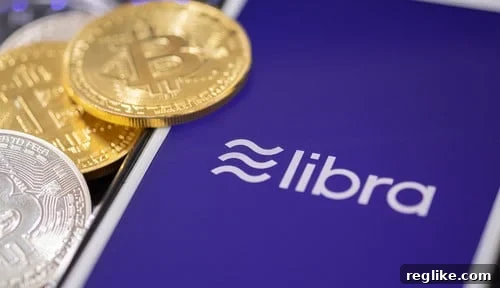
The Libra Phenomenon: A Domain Registration Frenzy
When Facebook unveiled its plans for Libra, a global digital currency designed to reshape financial services, the internet was abuzz with discussion. This announcement didn’t just capture the attention of financial markets and tech enthusiasts; it immediately triggered a speculative wave in the domain name sector. Verisign’s data unequivocally demonstrated that “Libra” became the most searched and registered keyword in the .com space, experiencing an unparalleled leap in new registrations compared to the preceding month. This isn’t merely an interesting statistic; it’s a powerful indicator of public fascination, entrepreneurial ambition, and, at times, sheer opportunism.
The rush to register Libra-related domains, while understandable from a speculative standpoint, also highlights the often-reckless nature of such endeavors. While some registrants might have genuine business ideas, many are driven by the hope of “cybersquatting” – registering domain names related to trademarks in bad faith, hoping to profit from their later sale to the legitimate trademark owner. Such practices are not only ethically questionable but also fraught with legal risks, as trademark holders often pursue legal action under policies like the Uniform Domain-Name Dispute-Resolution Policy (UDRP).
Verisign’s Critical Role in Tracking Digital Trends
As the operator of the authoritative registry for the world’s two largest generic top-level domains, .com and .net, Verisign is uniquely positioned to observe and report on internet trends. Their monthly “trending keywords” list serves as a valuable barometer for identifying what’s capturing public attention, emerging market niches, and the overall pulse of the internet. This list isn’t based on search engine queries or social media mentions; it directly reflects the terms that have seen the most significant month-over-month increase in new domain registrations. This raw data offers an unfiltered glimpse into collective interest and commercial foresight – or sometimes, just the collective urge to jump on a bandwagon.
The prominence of “Libra” at the top of this list was, in retrospect, entirely predictable given the scale of Facebook’s announcement and the inherent disruptive potential of a global cryptocurrency backed by a consortium of major companies. The concept of a digital currency that could transcend national borders and traditional banking systems naturally sparked a massive wave of enthusiasm and curiosity, which invariably translated into an attempt to stake a claim in its digital future.
Beyond Libra: A Glimpse into Broader Societal Interests
While Libra dominated the headlines, Verisign’s full list of trending keywords offers a more nuanced look at the diverse interests bubbling up across the internet. Here’s a detailed breakdown of the top 10 list from that period:
- Libra: As discussed, this term’s meteoric rise was directly attributable to Facebook’s cryptocurrency initiative, signaling widespread excitement and speculative interest in digital finance.
- Snafu: This term, meaning “a confused or chaotic state,” often trends during periods of political turmoil, economic uncertainty, or major public mishaps. Its appearance suggests a general unease or focus on various problematic situations unfolding globally.
- Psychedelic: The resurgence of interest in psychedelic substances, particularly in the context of mental health research, therapeutic applications, and wellness, is a significant cultural and scientific trend. This could also reflect evolving legal landscapes and growing public discussion around these topics.
- Currency: Directly related to Libra, the trending of “currency” broadly indicates an increased focus on monetary systems, financial innovation, and the future of money, likely spurred by the blockchain revolution and projects like Libra.
- Ceramic: This term points towards a renewed interest in crafts, artisanal products, home decor, and perhaps industrial design. It could also signify a boom in e-commerce for handcrafted goods or DIY hobbies.
- Employer: The trending of “employer” suggests heightened activity in the job market, perhaps indicating a focus on labor laws, employment opportunities, recruitment services, or discussions around workplace dynamics and policies.
- Pottery: Similar to “ceramic,” “pottery” further emphasizes the growing popularity of traditional crafts, artistic expression, and hobbyist activities. This often aligns with a broader movement towards sustainable living and handmade goods.
- Impact: This keyword is inherently broad but often trends when there’s a collective focus on social responsibility, environmental issues, policy outcomes, or the measurable effects of various initiatives. It reflects a desire to understand consequences and drive positive change.
- Regenerative: “Regenerative” is a powerful term often associated with sustainable agriculture, environmental restoration, and holistic health practices. Its rising popularity points to growing consciousness around ecological concerns and long-term well-being.
- Manual: This could relate to instruction manuals, DIY guides, repair services, or even the resurgence of traditional, hands-on skills in a digital age. It suggests a practical, problem-solving orientation.
Collectively, this list paints a picture of a society grappling with technological shifts (Libra, Currency), societal challenges (Snafu, Impact, Employer), and a rediscovery of traditional crafts and sustainable practices (Ceramic, Pottery, Regenerative, Manual, Psychedelic). Each trending keyword, therefore, acts as a small window into the collective consciousness of internet users and businesses.
The Speculative Domain Game: Risks and Rewards
The massive surge in Libra domain registrations serves as a potent case study in the speculative nature of the domain name market. When a major new technology or brand is announced, domain investors and opportunists often rush to register any permutation of the name they can think of – before it becomes a registered trademark or before the actual brand owners get to them. This practice is driven by the hope that the domain will significantly appreciate in value, either to be sold back to the original brand owner at an exorbitant price or to be developed into a related business.
However, as the original commentary succinctly put it, such endeavors can often be “pretty dumb.” This isn’t to disparage legitimate domain investing, but rather to highlight the high risks involved in speculative registrations tied to emerging, unproven technologies or brand names where intellectual property rights are still murky. For every success story of a domain flip, there are thousands of registered domains that expire without ever generating a single lead or sale. Moreover, registering a domain name that infringes on a trademark or brand name can lead to costly legal battles, UDRP disputes, and the ultimate loss of the domain without compensation.
Facebook, like any major corporation, would have undoubtedly taken extensive measures to protect its “Libra” trademark across various jurisdictions and digital channels. This would include defensive domain registrations and proactive monitoring for infringing uses. Anyone registering “libra-coin.com” or “libra-wallet.net” would likely find themselves on the wrong side of a legal challenge from Facebook’s legal team, incurring expenses and ultimately losing their investment.
Interpreting Trend Data: The “Single Registrant” Caveat
It is crucial to approach Verisign’s trend reports with a degree of critical analysis, as highlighted by their own caveat: “a single registrant registering lots of domain names can push a domain into the top 10.” This important detail underscores that a keyword’s rise in popularity isn’t always a purely organic reflection of widespread public interest from diverse sources. Sometimes, a well-funded domain investor, a large domain portfolio company, or even an organization making defensive registrations can significantly skew the data by registering hundreds or thousands of domains containing a particular keyword.
For instance, if a company decided to launch a new product called “Aether” and defensively registered 500 different permutations like “myaether.com,” “aethertech.com,” “aether-solutions.net,” etc., this single entity’s actions could propel “Aether” to the top of the trending list. While this still indicates significant activity around the keyword, it differs from a scenario where thousands of individual small businesses or users independently decide to register domains related to “Aether.”
Despite this caveat, Verisign’s data remains invaluable. It still points to where commercial and public attention is coalescing, even if the driving force is concentrated. For businesses, market analysts, and domain investors, understanding these trends can inform strategies for brand protection, market entry, and portfolio diversification. The “Libra” surge, regardless of whether it was driven by thousands of small-time speculators or a few large entities, undeniably indicated a massive response to Facebook’s announcement.
The Future of Domain Registration in a Rapidly Evolving Digital World
The Libra domain rush is a stark reminder of the speed at which new technologies and ideas can generate significant digital footprint activity. In an era dominated by rapid innovation, from AI and blockchain to space exploration and biotechnology, the domain name market continues to be a vibrant, albeit often chaotic, frontier. Staying abreast of these trends, whether through Verisign’s reports or other market intelligence, is essential for anyone operating in the digital sphere.
For legitimate businesses, the lesson is clear: proactive domain strategy and trademark protection are paramount. For speculative registrants, the risks are equally clear: high potential for intellectual property disputes and significant financial loss if the underlying trend fails to materialize or if legal challenges arise. Ultimately, the story of Libra domains is a microcosm of the broader internet itself – a place of immense opportunity, fervent speculation, and constant evolution.