
The Digital Wild West: A Looming Crackdown on Aggressive Cybersquatting and Deceptive Online Practices
In the vast, interconnected landscape of the internet, where brand identity and online presence are paramount, a troubling trend has been gaining momentum: aggressive cybersquatting. This practice, often involving the illicit registration and use of domain names that infringe upon established trademarks, is rapidly evolving beyond simple domain parking. The digital frontier is witnessing a surge in deceptive tactics, particularly through misleading survey sites, pushing the boundaries of what brands and consumers can tolerate. This escalation in illicit activity is not merely an annoyance; it’s a direct assault on intellectual property, consumer trust, and the very integrity of the online ecosystem, inevitably paving the way for a broad and necessary crackdown.
For years, the issue of domain parking, where individuals register trademarked domain names or common typos (typosquatting) and direct them to generic advertising pages, has been a thorn in the side of intellectual property holders. While often frustrating, these parked pages typically presented a relatively benign nuisance, merely diverting traffic and offering links to related content. However, the landscape of online abuse has grown considerably more sophisticated and insidious. The new wave of cybersquatting goes far beyond passive parking; it actively seeks to deceive internet users, creating a web of confusion and exploitation that directly harms both brands and unsuspecting consumers. It is this aggressive shift towards highly deceptive practices, characterized by misleading surveys and elaborate schemes, that is truly fueling the anger of trademark holders and demanding a more robust response from regulatory bodies and the industry alike.
What truly exacerbates the frustration of trademark holders, and indeed, ignites their resolve for legal action, is the proliferation of scammy, misleading surveys. These are not just inconvenient detours; they are meticulously crafted traps designed to exploit human curiosity and the desire for freebies. Unlike a simple parked page that might feature links to video sites or related content, these deceptive survey sites are engineered to create a powerful illusion of legitimacy. They cunningly mimic the look and feel of official brand endorsements or even purport to be the brand’s actual website, thereby tricking users into believing they are interacting with a trusted entity. This elaborate masquerade generates significant negative goodwill for the legitimate company, eroding brand equity and fostering widespread distrust among its customer base. The damage extends beyond financial losses; it tarnishes a carefully built reputation and undermines consumer confidence in online interactions.
A prominent example illustrating this alarming trend is Google’s recent complaint filed with the World Intellectual Property Organization (WIPO) over the domain name YouTube.ph. One can hardly fault the tech giant for taking decisive action. Navigating to this particular domain name did not lead to an innocuous parked page or a simple redirect to the official YouTube platform. Instead, visitors were swiftly forwarded to VideoRewardCentral.com, a destination designed to ensnare users with a highly deceptive landing page. This page, crafted with cunning precision, aimed to capitalize on YouTube’s immense brand recognition. It was not a simple collection of ads; it was a sophisticated attempt to leverage a globally recognized trademark to lure users into a scam. The visual design and messaging were tailored to convey a sense of official endorsement or direct affiliation, making it incredibly difficult for the average internet user to discern that they had, in fact, stumbled into a fraudulent scheme. The implications for consumer safety and brand integrity are profound, highlighting the urgent need for stringent enforcement and proactive measures against such malicious activities.
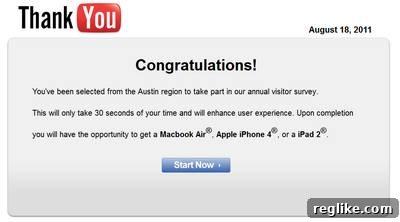
The distinction between a benign parked page and a malicious survey site is critical to understanding the severity of the current problem. A conventional parked page typically serves as a placeholder, perhaps listing a series of unrelated links or basic advertisements. Its primary intent is often to generate minimal revenue from accidental traffic or to hold a domain for future development. In stark contrast, sites like YouTube.ph are meticulously constructed with a singular, deceptive purpose: to trick internet users. They are designed to exploit the power of brand recognition, coercing unsuspecting individuals into believing there is a genuine brand endorsement or that they are interacting directly with the brand’s official online portal. This deliberate misdirection not only creates significant bad will for the legitimate company but also puts consumers at risk. Users may unknowingly divulge personal information, subscribe to unwanted services, or waste valuable time and resources pursuing non-existent rewards, all under the false pretense of engaging with a trusted brand. The insidious nature of these operations makes them a far greater threat to the stability and trustworthiness of the internet.
Delving deeper into the mechanics of these misleading surveys reveals a sophisticated psychological manipulation at play. In the example cited above, and indeed in countless similar schemes, the user is initially presented with an enticing offer: complete a seemingly simple “survey” and then “pick your prize.” This promise of a reward acts as a powerful hook, drawing individuals deeper into the fraudulent funnel. However, the deceptive twist lies in the almost invisible fine print, or often, the complete absence of transparency regarding the true conditions. The ability to claim the promised prize is not contingent upon merely completing the initial survey. Instead, it is conditional upon the user completing “any number of offers from advertisers.” These secondary offers typically involve signing up for trial subscriptions, providing credit card details for “shipping and handling,” or engaging with various third-party promotions that often come with hidden costs or recurring charges. Consumers, lured by the initial promise, often find themselves trapped in a labyrinth of unwanted commitments, unable to claim their prize and facing unexpected financial obligations. This systematic deception is not just annoying; it’s a form of digital fraud, undermining consumer confidence and eroding trust in online transactions and promotions.
It is precisely this pervasive and damaging form of deception that prompted tech giants like Facebook to take aggressive legal action. In a landmark move, Facebook recently filed a massive anticybersquatting lawsuit, signaling a strong intent to combat these illicit practices head-on. A significant portion of the domains targeted in this lawsuit were not merely parked; they were actively pointing to misleading survey sites, mirroring the malicious tactics seen in the YouTube.ph case. This action by Facebook underscores the severe financial and reputational damage inflicted by such scams. When a brand of Facebook’s magnitude is compelled to initiate such extensive legal proceedings, it sends a clear message to the domain industry, cybersquatters, and regulatory bodies: the era of passive tolerance is over. The scale of the lawsuit reflects the enormous challenge posed by these deceptive sites and highlights the urgent need for a coordinated, industry-wide effort to protect intellectual property and safeguard consumers from online exploitation. These lawsuits are not just about recovering domain names; they are about setting precedents and reasserting control over online brand representation.
The implications of this escalating problem extend far beyond individual brand owners. Believe me, if you thought the legitimate domain industry earned a questionable reputation merely from the early days of PPC (Pay-Per-Click) parking, you can expect this newer, more aggressive type of practice to significantly rev it up a notch, and not in a good way. The subtle nuances of domain parking, while sometimes contentious, rarely involved outright deception and active fraud on the scale we are witnessing today. Misleading survey sites, with their sophisticated manipulation and explicit intent to trick, cast a far darker shadow over the entire industry. This paints an incredibly negative picture, not just for the perpetrators, but for every legitimate domain registrar, hosting provider, and online marketer. It fosters an environment of suspicion, making it harder for reputable businesses to engage with consumers and for consumers to trust online offerings. Ultimately, this proliferation of deceptive tactics is profoundly detrimental to the legitimate people and companies in the domain industry who strive to operate ethically and provide valuable services. Their reputation, built on trust and reliability, is actively undermined by the actions of a few unscrupulous actors, making a broad crackdown not just desirable, but absolutely essential for the long-term health and credibility of the digital economy.
The call for a broad crackdown is not just an emotional plea; it’s a strategic imperative. Protecting online brand reputation and ensuring consumer safety are twin pillars upon which the future of digital commerce rests. This crackdown must be multi-faceted, involving increased vigilance from domain registries and registrars, stricter enforcement of existing intellectual property laws, and continuous technological advancements to detect and block fraudulent sites. Furthermore, greater collaboration between trademark holders, law enforcement agencies, and internet service providers is vital. The digital landscape demands a concerted effort to dismantle these networks of deception, not only to protect the financial interests of brands but, more importantly, to safeguard the millions of internet users who depend on a trustworthy online environment. The time for proactive and aggressive measures against these digital predators is now, before their malicious practices irrevocably erode the foundational trust that underpins the entire internet.