
Belgium Takes Decisive Action: New Policy Empowers Swift Takedown of Fraudulent .be Domains Within 24 Hours, Bolstering Digital Security.
Introduction: A New Era in Combating Online Fraud
In an increasingly digital world, the battle against online fraud and cybercrime is relentless. As malicious actors become more sophisticated, domain registries and governmental bodies are compelled to innovate their strategies to protect internet users. Belgium has now taken a significant step forward in this ongoing fight. DNS Belgium, the official registry responsible for managing the .be country code Top-Level Domain (ccTLD), has announced a pioneering policy change designed to dramatically speed up the process of blocking domains involved in fraudulent activities. Effective December 1st, this proactive measure will enable the swift removal of deceptive websites, often within a mere 24 hours, marking a pivotal shift in how Belgium addresses digital security threats.
This policy represents a crucial upgrade to existing procedures, specifically targeting prevalent online threats such as fake web stores and sophisticated phishing schemes. By streamlining the takedown process, Belgium aims to significantly diminish the window of opportunity for fraudsters, thereby safeguarding its citizens and businesses from financial loss and identity theft. The initiative underscores a growing global imperative for domain registries to adopt more agile and responsive mechanisms in the face of escalating cyber threats, fostering greater trust and security within their national digital ecosystems.
The Genesis of a Faster Takedown Policy
The motivation behind DNS Belgium’s new policy is rooted in the alarming prevalence of online fraud and the critical need for a more effective response. Historically, the process of blocking malicious domains was cumbersome, protracted, and often failed to keep pace with the rapid deployment and exploitation of fraudulent websites. Recognizing these limitations, DNS Belgium, in collaboration with government entities, has engineered a solution that prioritizes speed and efficiency without compromising due process.
Understanding the Roles: DNS Belgium and FPS Economy
At the heart of this new framework are two key entities: DNS Belgium and the FPS Economy. DNS Belgium, as the administrator of the .be ccTLD, plays the foundational role of managing all domain names ending in .be. Their responsibilities extend beyond mere registration to ensuring the integrity and security of the domain space. The FPS Economy, akin to a national department of trade and economic competitiveness, acts as a vital governmental arm dedicated to consumer protection and market fairness. Their mandate includes monitoring and combating unfair commercial practices, which inherently extends to online fraud.
Under the new policy, the FPS Economy is empowered to directly request DNS Belgium to take action against suspicious domains. This collaborative model creates a powerful synergy, combining the technical oversight of the domain registry with the investigative and protective capabilities of a government agency. This direct channel significantly cuts down the bureaucratic overhead that previously plagued efforts to combat online fraud, allowing for a much more agile response to emerging threats.
The Swift New Process: From Complaint to Takedown
The most striking feature of this new policy is its accelerated timeline. For the first time, domain names identified as being used for fraudulent purposes – specifically those related to the sale of counterfeit goods, operation of fake web stores, or engaging in phishing – can be blocked within an astonishingly short period of 24 hours. This rapid response mechanism is a game-changer, dramatically reducing the time attackers have to exploit unsuspecting victims.
Upon a request from the FPS Economy, DNS Belgium will initiate the takedown procedure. While the initial blocking is swift, the policy also incorporates a crucial element of fairness and due process for the domain registrant. The registrant will be given a two-week window to respond to the allegations and provide a defense against the claims of fraudulent activity. Should the registrant fail to respond adequately, or if the fraudulent nature of the domain is confirmed, the domain will then be slated for permanent deletion after a period of six months. This phased approach ensures both rapid action against immediate threats and a structured process for final resolution, balancing security with legitimate domain holder rights.
Targeting the Scourge: Phishing and Fake Web Stores
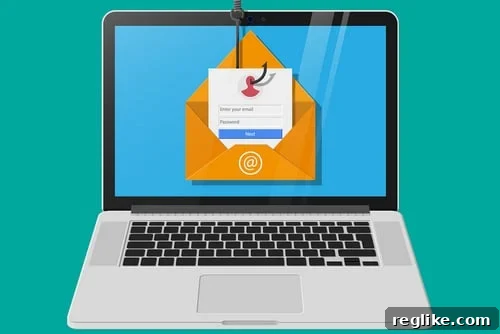
The policy specifically targets two of the most pervasive and damaging forms of online fraud: phishing and fake web stores. Phishing attacks, which involve deceitfully acquiring sensitive information such such as usernames, passwords, and credit card details, pose an immense threat to personal privacy and financial security. Fake web stores, often appearing legitimate, trick consumers into purchasing non-existent or counterfeit products, leading to financial loss and erosion of trust in online commerce. By directly addressing these types of misuse, the new policy aims to create a safer digital environment for Belgian internet users, reinforcing the reliability and trustworthiness of the .be domain space.
Beyond Bureaucracy: The Paradigm Shift in Domain Management
The implementation of this new policy marks a profound paradigm shift in how domain abuse is managed in Belgium. It moves away from reactive, time-consuming legal processes towards a proactive, administrative model that prioritizes the immediate protection of internet users. This shift is not merely about speed; it’s about fundamentally re-evaluating the role of a domain registry in combating cybercrime.
The Inefficiencies of the Past: A Lengthy Legal Battle
Previously, the path to blocking a fraudulent domain was fraught with bureaucratic hurdles and legal complexities. The FPS Economy lacked the direct authority to request DNS Belgium to block websites based solely on their malicious content or fraudulent nature. Instead, their powers were largely confined to cases involving fraudulent or inaccurate identification data provided during domain registration. When content-based fraud was suspected, the process required an application to be filed with the crown prosecution service, a step that would inevitably introduce significant delays, often taking a minimum of two weeks – a critical period during which fraudsters could inflict substantial harm on victims. This lengthy and arduous legal route was a major bottleneck, rendering effective and timely intervention exceedingly difficult against fast-moving online threats. The new policy bypasses this cumbersome legal requirement, enabling a direct and swift administrative response.
The Impact of Speed: Protecting Belgian Internet Users
The sheer speed of the new takedown process is its most significant advantage. In the digital realm, every hour counts. A fraudulent website can lure hundreds, if not thousands, of victims in just a day. By reducing the takedown time from weeks to mere hours, the policy dramatically curtails the potential damage that malicious domains can inflict. This enhanced responsiveness directly translates to better protection for Belgian citizens, preventing financial fraud, identity theft, and the proliferation of harmful content. It also instills greater confidence in the .be domain as a secure and reliable online space, an essential factor for both individual users and legitimate businesses operating within the Belgian digital economy.
The Broader Landscape: Belgium’s Stance in Global Cybercrime Fight
Belgium’s new domain takedown policy is not an isolated measure; it reflects a growing global awareness and commitment among domain registries and governments to combat the pervasive threat of cybercrime. The fight against online fraud requires continuous innovation and international cooperation, and Belgium’s proactive approach positions it as a leader in this critical area.
The Global Challenge of Domain Abuse
Domain abuse is a worldwide phenomenon, costing individuals and businesses billions annually. From sophisticated nation-state attacks to common phishing scams, the misuse of domain names is a primary vector for cyberattacks. Registries around the world are constantly exploring new methods to curb this abuse, understanding that the integrity of their TLDs is paramount to maintaining trust in the internet. The “several hundreds” of fraudulent websites identified each year in Belgium, while specific to a national context, are indicative of a much larger, global problem that demands robust and scalable solutions.
Comparing Strategies: Belgium vs. Denmark’s Approach
Different countries and registries adopt varying strategies to combat domain abuse, each with its own strengths. The Belgian model, with its focus on rapid takedown based on content and fraudulent activity, represents a direct and swift response to active threats. This approach is particularly effective against highly visible and immediately damaging forms of fraud like phishing and fake web stores.
In contrast, the Danish approach, as highlighted by examples like the Danish registry, DK Hostmaster, has historically emphasized cracking down on false ownership information. Denmark found that by rigorously enforcing accurate registrant data, they could significantly reduce the number of sites used for fake stores. The logic here is that fraudsters often hide behind false identities to evade accountability. By ensuring the veracity of registrant details, a key vulnerability is eliminated, making it harder for malicious actors to operate undetected. Both strategies demonstrate the importance of targeted interventions, whether focusing on the identity behind the domain or the content hosted on it. Each approach offers valuable lessons for the broader domain industry, emphasizing that a multi-faceted strategy, combining both content-based and identity-based enforcement, might offer the most comprehensive protection.
What This Means for the Future of .be Domains and Online Trust
The implications of DNS Belgium’s new policy extend far beyond the immediate takedown of a few fraudulent websites. It signals a stronger commitment to digital security and consumer protection that will resonate throughout the Belgian online ecosystem and potentially serve as a model for other ccTLDs.
Enhancing Trust and Credibility
By demonstrating an ability to rapidly address and neutralize online threats, DNS Belgium is actively working to enhance the trust and credibility associated with the .be domain name. For businesses, a trusted domain fosters consumer confidence, which is vital for e-commerce and online operations. For individuals, knowing that their national domain registry is proactive in safeguarding them against fraud can lead to a more secure and positive internet experience. This proactive stance helps solidify .be as a secure and reliable online space, making it a more attractive and trustworthy choice for both domestic and international entities looking to establish an online presence in Belgium.
A Model for Other Registries?
Belgium’s innovative approach could very well serve as a blueprint for other country code Top-Level Domain registries around the world. As cybercrime continues to evolve, traditional enforcement mechanisms often prove too slow. The collaborative model between DNS Belgium and the FPS Economy, combined with the rapid takedown capability, offers a compelling example of how registries and governmental bodies can work together effectively to create a safer internet. The success of this policy in Belgium will undoubtedly be closely watched by domain management organizations globally, potentially inspiring similar reforms in other jurisdictions seeking to bolster their digital defenses against the ever-present threat of online fraud.
Conclusion: A Decisive Step Towards a Safer Digital Environment
The new policy implemented by DNS Belgium, effective December 1st, represents a decisive and commendable step in the ongoing fight against online fraud. By empowering the FPS Economy to request and execute the swift takedown of fraudulent .be domains within 24 hours, Belgium is significantly enhancing its digital security posture. This progressive measure not only protects countless internet users from phishing scams and fake web stores but also reinforces the integrity and trustworthiness of the entire .be domain space. This move highlights a crucial evolution in domain management, prioritizing rapid response and robust collaboration between technical registries and governmental consumer protection bodies. As the digital landscape continues to evolve, such proactive and agile policies will be essential in fostering a secure and reliable online environment for all.