
Combating DNS Abuse: A New Era of Online Safety with the DNS Abuse Institute
In the vast and interconnected world of the internet, the Domain Name System (DNS) serves as its foundational directory, translating human-friendly website names into machine-readable IP addresses. While indispensable, this critical infrastructure is constantly under threat from various forms of malicious activity, collectively known as DNS abuse. These abuses, including phishing, malware distribution, spam, and botnets, pose significant risks to individuals, businesses, and the stability of the internet itself. Recognizing the escalating nature of these threats, a crucial new initiative, the DNS Abuse Institute, has emerged to unify efforts and provide a concerted response to protect the digital landscape.
Understanding the Pervasive Threat of DNS Abuse
DNS abuse encompasses a range of illicit activities that exploit the DNS infrastructure for malicious purposes. These aren’t just minor inconveniences; they are sophisticated attacks designed to defraud, compromise, and disrupt. To appreciate the scale of the challenge, it’s essential to understand the primary forms of DNS abuse:
Phishing: The Art of Digital Deception
Phishing is perhaps one of the most common and damaging forms of DNS abuse. Attackers register domain names that closely mimic legitimate websites (e.g., banking sites, social media platforms, or e-commerce portals) to trick users into divulging sensitive information like usernames, passwords, credit card details, or other personal data. These fraudulent domains are then used in email campaigns, text messages, or malicious advertisements, luring unsuspecting victims to what appears to be a trusted site. The impact of successful phishing attacks can range from financial loss and identity theft for individuals to significant data breaches and reputational damage for organizations.
Malware Distribution: Infecting the Digital World
Malicious software, or malware, relies heavily on domain names for its distribution and command-and-control operations. Attackers register domains to host malicious files (like viruses, ransomware, or spyware) that are then downloaded onto users’ devices, often unknowingly. Furthermore, botnets – networks of compromised computers – use domain names to communicate with their central command servers, receiving instructions for large-scale attacks such as Distributed Denial of Service (DDoS) or further spam distribution. Identifying and neutralizing these domains is crucial in preventing widespread infection and controlling the spread of malware.
Spam: The Unwanted Deluge
While often seen as a nuisance, spam (unsolicited bulk email) frequently serves as a gateway to more severe DNS abuses. Spammers often use compromised or newly registered domains to send out vast quantities of emails, which can contain phishing links, malware attachments, or scams. The proliferation of spam degrades the overall quality of the internet experience and consumes significant resources in filtering and mitigation efforts. Combatting spam at the DNS level can cut off a primary channel for many other forms of cybercrime.
Other Forms of Abuse
Beyond these core categories, DNS abuse also includes activities like typosquatting (registering domain names with common typos of popular sites), domain name fronting (hiding the true destination of internet traffic), and the use of domains for other illicit activities such as drug sales or child exploitation. The common thread is the exploitation of the domain name system to facilitate harmful online behavior.
The Birth of a Solution: The DNS Abuse Institute
Recognizing the fragmented nature of anti-abuse efforts across the global domain name ecosystem, the DNS Abuse Institute was established to provide a centralized, collaborative, and data-driven approach. This new entity is poised to become a cornerstone in the ongoing battle against online malicious activity, bringing together diverse stakeholders to develop more effective strategies and tools.
At the helm of this significant initiative is Graeme Bunton, the Institute’s Director. With extensive experience in internet governance, policy, and cybersecurity, Bunton brings a wealth of knowledge and a clear vision for tackling DNS abuse head-on. His leadership is critical in guiding the Institute’s mission to foster cooperation and innovation within the domain industry.
The Institute’s Mission and Objectives
The DNS Abuse Institute’s core mission revolves around making the internet safer by reducing DNS abuse. It aims to achieve this through several key objectives:
- Research and Data Sharing: Collecting, analyzing, and disseminating data on DNS abuse trends, patterns, and effective mitigation techniques. This data will be invaluable for identifying emerging threats and optimizing response strategies.
- Development of Best Practices: Working with registrars, registries, and other domain name service providers to establish and promote industry-wide best practices for preventing, detecting, and responding to DNS abuse.
- Tool Development and Support: Exploring, developing, or promoting technical tools and resources that aid in the identification and mitigation of abusive domains.
- Education and Awareness: Raising awareness among all stakeholders – from domain registrars to end-users – about the risks of DNS abuse and how to protect themselves.
- Facilitating Collaboration: Serving as a neutral forum where various entities within the domain name ecosystem can share information, coordinate responses, and work together on common challenges. This includes law enforcement, cybersecurity researchers, and policy makers.
- Policy Advocacy: Informing and influencing policy discussions related to DNS security and abuse mitigation at national and international levels.
The Institute acts as a vital bridge between various parts of the internet community, ensuring that anti-abuse efforts are not only reactive but also proactive, focusing on prevention and early detection.
The Domain Name Ecosystem’s Collective Responsibility
Combating DNS abuse is not a task for a single entity; it requires the collective vigilance and cooperation of the entire domain name ecosystem. This ecosystem includes:
- Registries: Organizations that manage top-level domains (TLDs) like .com, .org, or .xyz. They set policies for their TLDs and often have mechanisms to suspend abusive domains.
- Registrars: Companies that sell domain names to the public. They are the first line of defense, often having direct relationships with domain registrants and the ability to suspend domains that violate their terms of service.
- Hosting Providers: Companies that host websites and email services, playing a critical role in identifying and taking down abusive content.
- Internet Service Providers (ISPs): The backbone of internet access, ISPs can block access to known malicious domains.
- Cybersecurity Researchers and Organizations: These groups identify threats, develop protective technologies, and share threat intelligence.
- Law Enforcement: Investigating cybercrimes and bringing perpetrators to justice.
- End-Users: Individuals and businesses who register and use domain names, and who must exercise caution and report suspicious activity.
The DNS Abuse Institute’s role is to facilitate better communication and coordination among these diverse groups, ensuring that resources are maximized and responses are swift and effective. By establishing common frameworks and fostering trust, the Institute helps transform individual efforts into a powerful, unified front against digital threats.
Deep Dive: The Podcast Discussion
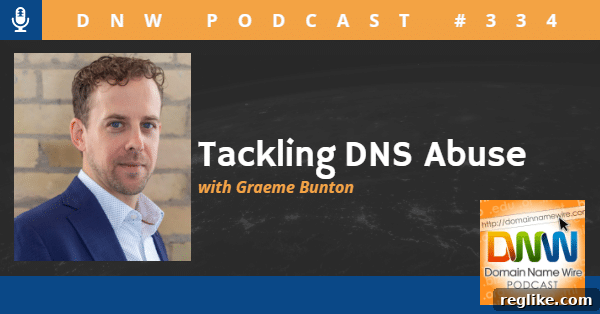
For those eager to understand the nuances of DNS abuse and the Institute’s strategic plans, our latest podcast episode features an insightful discussion with Graeme Bunton, Director of the DNS Abuse Institute. In this engaging conversation, we explore the intricate types of DNS abuse currently plaguing the internet and delve into how the Institute plans to galvanize the domain name ecosystem to combat these pervasive threats. Bunton outlines the challenges and opportunities in building a more secure online environment, offering a direct perspective on the future of anti-abuse initiatives.
Podcast: Play in new window | Download (Duration: 29:39 — 23.8MB)
Subscribe to our Podcast: Email | RSS
Subscribe via Apple Podcasts to listen to the Domain Name Wire podcast on your iPhone or iPad, or click play above or download to begin listening. (Explore previous podcast episodes here.)
Additional Insights and News from the Domain World
Beyond the critical discussion on DNS abuse, this episode also touches on other significant developments in the domain name industry:
- Tip of the Week: Bulk Auth Codes at NameBright: For domain investors and portfolio managers, the ability to generate bulk authorization codes is a crucial feature for efficient and secure domain transfers. This tip highlights how NameBright streamlines the process, enhancing both security and operational efficiency for managing large domain portfolios.
- Noteworthy News:
- The blockbuster sale of Angel.com underscores the enduring value of premium, memorable domain names in the digital economy. Such sales often reflect market trends and the strategic importance companies place on strong online branding.
- A recent Facebook lawsuit serves as a reminder of the complex legal landscape surrounding domain ownership, intellectual property rights, and the continuous challenges of trademark infringement in the digital age.
- The intriguing story of the “Queen of .XYZ” highlights successful ventures and innovative uses within newer top-level domains (gTLDs), showcasing how new extensions are carving out their niche and offering fresh opportunities for online presence.
We extend our gratitude to our sponsor, Sav.com, for supporting the continued production of valuable content and insights within the domain name industry. Sav.com plays a vital role in providing essential services to domain registrants and developers.
Conclusion: A Safer Internet Through Collaboration
The establishment of the DNS Abuse Institute under the leadership of Graeme Bunton marks a significant step forward in the global effort to combat DNS abuse. By fostering collaboration, sharing critical data, and developing robust best practices, the Institute aims to create a more resilient and trustworthy internet environment. As digital threats continue to evolve, the collective commitment of the domain name ecosystem, guided by initiatives like the DNS Abuse Institute, is paramount to ensuring online safety and maintaining the integrity of the internet for everyone. We encourage you to listen to the full podcast episode to gain a deeper understanding of these vital issues and contribute to a safer digital future.