
Cricket.com Domain Dispute: A Strategic Retreat Amidst Trademark Allegations
The digital landscape is a fiercely contested arena where domain names serve as prime real estate, often becoming the focal point of intricate legal disputes. A compelling example of such a battle emerged around the coveted Cricket.com domain, pitting two distinct entities with legitimate, yet conflicting, interests against each other: Global Cricket Ventures (GCV), the website’s owner, and Cricket Communications, a prominent mobile phone service provider.
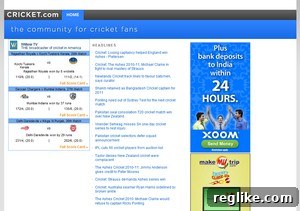
This saga reached a critical juncture when Cricket Communications initiated a lawsuit, alleging trademark infringement and unfair competition. While a formal court response from Global Cricket Ventures has been notably absent, their actions speak volumes. The website, Cricket.com, underwent a significant and telling transformation, stripping away all content and advertisements related to mobile phones – a direct response to the core of the legal challenge.
The Heart of the Conflict: Branding and Domain Name Value
At its core, the dispute over Cricket.com highlights the immense value of generic yet highly sought-after domain names. For Global Cricket Ventures, the domain naturally aligned with its primary focus: the sport of cricket. The site traditionally offered various features appealing to sports enthusiasts, including news feeds, scoreboards, and even fantasy cricket offerings. It aimed to be a comprehensive hub for everything related to the global sport, thereby building its own brand identity around the universal appeal of cricket.
However, for Cricket Communications, the domain held a different, equally vital, significance. As a well-established mobile phone company, their brand name “Cricket” is a registered trademark, synonymous with telecommunications services. The company had invested substantially in building brand recognition and goodwill within the mobile sector. The existence of Cricket.com, a domain name identical to their brand, presenting content that allegedly blended sports with mobile phone-related advertisements, created a direct conflict.
The legal framework surrounding domain name disputes often revolves around trademark law, aiming to prevent consumer confusion and protect a brand’s reputation. When a domain name owner is perceived to be “cybersquatting” or “typosquatting” – registering or using a domain name in bad faith with the intent to profit from the goodwill of another’s trademark – legal action is typically warranted. In this instance, Cricket Communications argued that GCV was not merely operating a sports site but was actively leveraging the ‘cricket’ brand identity to promote mobile services, creating a deceptive scenario for internet users.
Allegations of Deception: Trading on Goodwill
Cricket Communications’ lawsuit, formally filed against Global Cricket Ventures, didn’t merely claim confusion; it alleged intentional trademark infringement. The core of their argument was that GCV was “intentionally trading on its goodwill by masquerading as a cricket sports site.” This implies a deliberate strategy to attract users interested in the sport of cricket and then expose them to mobile phone advertisements, potentially leading them to believe there was an affiliation with Cricket Communications.
Prior to the lawsuit, Cricket.com was described as a more robust platform, featuring offerings like fantasy cricket and striving to be a “real” sports website. Crucially, it also displayed a significant number of ads for mobile phones. The most damning piece of evidence cited by Cricket Communications was the presence of a specific advertisement: “According to Cricket Communications, one of the ads was actually a hard coded Cricket Communications logo placed over a skyscraper banner.” This specific detail suggested a direct and undeniable attempt to appropriate the plaintiff’s brand identity, going beyond mere ad placement to a perceived direct impersonation.
Such an act, if proven in court, could constitute strong evidence of bad faith and direct infringement. It suggests an active effort to mislead consumers into thinking that Cricket.com was either owned by, affiliated with, or endorsed by Cricket Communications. This tactic not only erodes the distinctiveness of the trademark but also diverts potential customers and dilutes the established goodwill of the legitimate brand owner.
The Website’s Dramatic Overhaul: A Strategic Shift
In the wake of the lawsuit, Global Cricket Ventures executed a swift and dramatic overhaul of Cricket.com. The previously feature-rich site, complete with fantasy cricket leagues and diverse content, was transformed into a “bare bones” single-page website. The primary content now consists of a couple of news feeds related to the sport of cricket and a simple scoreboard. Conspicuously absent are the fantasy cricket offerings, any attempts to present itself as a comprehensive sports portal, and, most importantly, all advertisements and references pertaining to mobile phones.
This significant change, while not a formal legal admission, can be interpreted as a strategic move. By eliminating all mobile phone-related content and advertising, GCV effectively removed the direct cause for Cricket Communications’ allegations of trademark infringement and unfair competition. This action could be aimed at mitigating potential damages, demonstrating a willingness to comply with the spirit of trademark law, or even attempting to weaken the plaintiff’s case by removing the offending elements before the legal proceedings fully unfold.
The transformation illustrates the immediate and profound impact a trademark infringement lawsuit can have on a website’s content strategy and overall presentation. It underscores the risk associated with operating a domain name that shares a strong connection with a registered trademark, especially when commercial interests overlap or appear to overlap deceptively.
The Complexities of International Legal Battles
The legal journey for this domain name dispute is expected to be protracted, largely due to Global Cricket Ventures’ base of operations. The company is situated in the island nation of Mauritius, which introduces a layer of international legal complexities. Suing an entity in a different jurisdiction can significantly slow down legal proceedings. Challenges often arise in areas such as:
- Service of Process: Ensuring that legal documents are properly served on the defendant in accordance with international treaties and local laws can be time-consuming and difficult.
- Jurisdiction: Determining which country’s courts have the authority to hear the case, and whether a U.S. court (assuming the lawsuit was filed there) has personal jurisdiction over a Mauritian entity.
- Enforcement of Judgments: Even if a plaintiff wins a judgment in their home country, enforcing that judgment in a foreign country like Mauritius can be a separate, arduous legal battle.
- Discovery: Obtaining evidence and testimony from a foreign entity can be far more complicated than within a single jurisdiction.
These logistical and legal hurdles contribute to the “slowly creep forward” nature of such international intellectual property disputes. It often requires significant resources, patience, and expert knowledge of international law to navigate successfully. The alternative, the Uniform Domain-Name Dispute-Resolution Policy (UDRP), is faster but typically only results in domain transfer, not monetary damages, which Cricket Communications might be seeking.
Lessons from the Cricket.com Domain Saga
The Cricket.com dispute serves as a crucial case study for various stakeholders in the digital economy:
- For Domain Owners: It emphasizes the critical importance of conducting thorough due diligence before registering and utilizing a domain name. Owners must ensure their use does not infringe upon existing trademarks, especially if their content or advertising crosses into another industry. The intent behind the domain’s use and monetization strategies can have severe legal consequences.
- For Brand and Trademark Owners: The case highlights the necessity of vigilant trademark protection in the online realm. Proactive monitoring of domain name registrations and website content that might dilute or infringe upon their brand is essential. Swift legal action, as demonstrated by Cricket Communications, can be crucial in safeguarding intellectual property and consumer trust.
- For Digital Marketers and Advertisers: The story underscores the ethical and legal boundaries of online advertising. Misleading consumers through deceptive affiliations or leveraging another brand’s goodwill for commercial gain is not only unethical but also legally perilous. Transparency and authenticity are paramount.
- For the Internet Community: This dispute reinforces the ongoing challenge of balancing open internet access with the protection of intellectual property rights. It illustrates how the digital space, while offering vast opportunities, also presents fertile ground for conflicts over identity and commercial interest.
Conclusion: The Enduring Value of Digital Identity
The transformation of Cricket.com, from a multi-faceted sports site that ventured into mobile phone advertising to a stripped-down portal, is a direct consequence of a high-stakes trademark infringement lawsuit. It underscores the profound legal and commercial implications of how a domain name is used and monetized. While Global Cricket Ventures’ formal response in court remains pending, their actions on the website clearly indicate an acknowledgment of the seriousness of the allegations.
This saga is a powerful reminder that in the interconnected world, a domain name is more than just an address; it is a critical component of brand identity and a potential battleground for intellectual property rights. The slow but steady progression of this international legal battle over Cricket.com will continue to shape discussions around digital branding, trademark enforcement, and the complexities of online commerce for years to come.