
The complexities of trademark defense in the digital age often lead to perplexing legal battles. One such ongoing saga involves the esteemed Gorgonzola cheese trademark, where recent developments have raised questions about the strategic approach employed by its defending consortium.
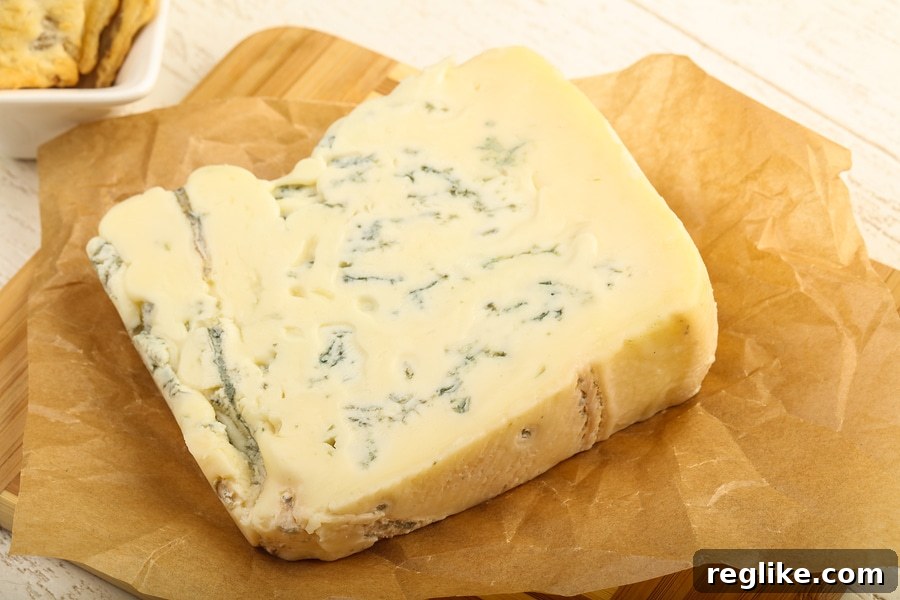
The World Intellectual Property Organization (WIPO) recently issued a decision on the latest domain name dispute concerning “Gorgonzola.” This particular case has prompted a closer examination of the legal strategies adopted by the Consorzio per la Tutela del Formaggio Gorgonzola, the organization dedicated to safeguarding the renowned Gorgonzola cheese trademark. Their primary mission is to protect the integrity and reputation of this distinctive Italian blue cheese, ensuring its proper use and preventing unauthorized exploitation of its name in a rapidly evolving digital landscape.
Understanding the Significance of the Gorgonzola Trademark and Digital Identity
Gorgonzola is far more than just a cheese; it represents a rich segment of Italian culinary heritage, protected by a specific Designation of Origin. This crucial legal protection ensures that only cheese produced in designated regions of Italy, adhering strictly to traditional methods, can bear the revered “Gorgonzola” label. The Consorzio per la Tutela del Formaggio Gorgonzola plays an indispensable role in enforcing these protections, tirelessly battling against counterfeit products and unauthorized use of the brand globally. In the digital realm, this extends to combating cybersquatting – the abusive registration of domain names that infringe upon established trademarks.
Cybersquatting poses a significant and multifaceted threat to trademark holders. It can dilute brand recognition, mislead consumers, divert legitimate online traffic away from official channels, and ultimately tarnish a brand’s hard-earned reputation. For a product with such specific geographical and cultural ties as Gorgonzola, safeguarding its digital identity and online presence is absolutely paramount. The Uniform Domain-Name Dispute-Resolution Policy (UDRP), administered by reputable organizations like WIPO, offers a vital mechanism for trademark owners to reclaim domain names that have been registered in bad faith. However, successfully navigating these complex disputes demands a profound and nuanced understanding of both international trademark law and the intricate workings of internet governance.
Navigating the Dual Identity: “Gorgonzola” as City and Cheese
A persistent and fundamental challenge in the various Gorgonzola domain disputes stems from the term’s dual meaning. While “Gorgonzola” is globally recognized and celebrated as a distinct type of cheese, it is also the name of an actual town located in the Metropolitan City of Milan, Italy. Historically, this very town is widely believed to be the birthplace of the illustrious cheese. This inherent geographical overlap introduces a critical distinction that is frequently leveraged by domain registrants in their defense against claims of trademark infringement.
In a previously reported case concerning the domain “gorgonzola.blue,” it was emphatically highlighted that specific factual elements are of paramount importance. These include, but are not limited to, the geographic location of the domain registrant and their explicitly stated intent for utilizing the domain. Such details are crucial for a UDRP panel to accurately determine whether a domain name was registered in bad faith, with the express intention of profiting from or unfairly associating with a protected trademark.
The “Gorgonzola.info” Case: Scrutinizing the Consortium’s Legal Tactics
The most recent WIPO decision, focusing on the domain “gorgonzola.info,” further amplifies these inherent complexities. In this particular dispute, the registrant, who is located in Italy, presented a compelling argument: they contended that they registered the domain name specifically in connection with the historical city of Gorgonzola, rather than the universally famous cheese. To bolster this defense, the respondent effectively demonstrated ownership of numerous other domain names referencing various Italian cities, thereby establishing a consistent pattern of registering geographic names as opposed to intentionally targeting specific food trademarks.
What proved particularly perplexing and indeed counterintuitive about the Consorzio’s legal approach in this specific case was their decision to reference two prior cybersquatting cases against the very same respondent. These earlier disputes also involved domain names that were both Italian cities and, quite incidentally, names of cheeses. Crucially, the respondent had successfully prevailed in both of those preceding cases. By actively introducing these historical examples into the current proceedings, the Complainant inadvertently provided compelling evidence that significantly bolstered the respondent’s existing defense – namely, that their established practice was to register domains based on legitimate Italian city names, entirely irrespective of any coincidental association with a food product.
This discernible strategic misstep raises significant and probing questions regarding the Consorzio’s litigation strategy. Why would a complainant deliberately emphasize prior losses that, in effect, strengthen the respondent’s claim of legitimate interest? In UDRP proceedings, the burden of proof rests unequivocally on the complainant. They must meticulously demonstrate three key elements: that the domain name is either identical or confusingly similar to their trademark, that the registrant possesses no legitimate rights or interests in the contested domain, and crucially, that the domain was both registered and subsequently used in bad faith. By drawing explicit attention to previous cases where the respondent successfully argued a legitimate interest rooted in geographical names, the Consorzio arguably undermined its own carefully constructed legal position, thereby contributing to the unfavorable outcome.
Beyond Litigation: The Case for Proactive Domain Protection
Beyond the immediate courtroom strategies, a more fundamental and overarching issue appears to impact the Consorzio’s broader domain protection efforts: a noticeable lack of proactive domain registration. It has been consistently observed that the Consorzio has not proactively registered many relevant domain names that could potentially infringe upon their invaluable trademark. This oversight becomes even more striking when considering instances where they have engaged in extensive and expensive UDRP proceedings, only to neglect securing the very domains they initially sought to reclaim, once those domains subsequently become available.
For example, in one particularly notable instance, the Consorzio reportedly invested thousands of dollars to file a UDRP complaint against a specific domain name, only to ultimately lose the case. Following this UDRP decision, the domain in question eventually expired and subsequently became available for public registration. Despite the substantial investment of both time and financial resources in the initial dispute, the Consorzio reportedly did not seize the opportunity to register this now-available domain. This could have been secured for a mere fraction of the UDRP filing fees – typically just a few dollars or euros on an annual basis.
This critical observation underscores a vital point for all trademark holders: the profound financial and strategic prudence of implementing proactive domain portfolio management. Defensively registering key domain variations, common misspellings, and crucial top-level domains (TLDs) can prove to be a far more cost-effective and ultimately more efficient strategy than repeatedly engaging in expensive litigation after a potentially infringing domain has already been registered by a third party. The average cost of a UDRP proceeding can range significantly, from $1,500 to several thousand dollars, depending on the number of domains involved and the complexity of the panel. In stark contrast, the annual registration cost for a single domain name typically falls between $10 and $50. This striking disparity in cost highlights a significant potential blind spot in the Consorzio’s current approach to comprehensive digital brand protection.
Essential Best Practices for Safeguarding Trademarks in the Digital Sphere
The ongoing domain name disputes involving the Gorgonzola trademark offer invaluable lessons for any organization entrusted with trademark defense in the dynamic digital age. A truly robust and effective brand protection strategy typically encompasses several critical components:
- Comprehensive Domain Portfolio Management: Proactively register all relevant domain names, including common misspellings, strategic variations, and key top-level domains (TLDs) such as .com, .net, .org, .info, and relevant country-code TLDs (ccTLDs) in markets where the brand holds significant prominence.
- Thorough Pre-Dispute Research: Before initiating any UDRP proceeding, conduct exhaustive and in-depth research into the registrant’s background, their other domain holdings, and their explicitly stated business activities. This meticulous preparation can help anticipate potential defenses, especially in complex scenarios where geographical names are a factor.
- Strategic Legal Argumentation: Ensure that all arguments presented to a UDRP panel are meticulously cohesive, logically sound, and avoid referencing previous losses that could inadvertently bolster the respondent’s case. The focus must remain squarely on conclusively establishing the three essential elements required for a successful UDRP complaint.
- Understanding Contextual Nuances: Maintain acute awareness of situations where a trademark might also possess a common, non-trademark meaning, such as the name of a city or a generic term. Develop sophisticated strategies to clearly differentiate between legitimate, non-infringing use and bad-faith registration aiming to exploit the trademark.
- Rigorous Cost-Benefit Analysis: Continuously evaluate the overall cost-effectiveness of UDRP filings versus other proactive brand protection strategies, including amicable negotiation for transfer, or simply the strategic, proactive registration of available domains before they can be acquired by others.
Conclusion: The Evolving Landscape of Digital Brand Protection
The intricate and ongoing domain name disputes involving the Gorgonzola trademark vividly illuminate the multifaceted challenges faced by intellectual property holders in the ever-expanding and increasingly complex digital landscape. While the Consorzio per la Tutela del Formaggio Gorgonzola is undeniably committed to its vital mission of protecting this iconic Italian cheese, the recent UDRP decisions suggest that a comprehensive reassessment of their tactical litigation and proactive domain protection strategies may prove highly beneficial. In an era where a strong and secure digital presence is absolutely paramount, a well-rounded, adaptive, and foresightful approach to domain name management is just as crucial as the traditional legal battles waged to safeguard a brand’s enduring legacy and its hard-won market position.