
One Year In: Unveiling the Vibrant World of .Club Domain Name Usage
The digital landscape is constantly evolving, with new top-level domains (TLDs) emerging to offer more specific and memorable online addresses. Among these, the .Club TLD has carved out a significant niche, positioning itself as a premier destination for communities, businesses, and individuals looking to connect. As .Club celebrates its momentous first anniversary of general availability, it’s an opportune moment to look back at its journey and dissect how this versatile domain extension has been embraced by users worldwide.
Surpassing an impressive milestone of over 200,000 domain name registrations in its inaugural year, .Club has firmly established itself as one of the most successful and rapidly adopted new gTLDs. This remarkable achievement speaks volumes about its appeal and the inherent demand for a domain that clearly communicates a sense of belonging, shared interest, or exclusive membership. But beyond the sheer number of registrations, what truly interests us is the practical application: how are these .Club domain names actually being used in the wild?
Peeking Under the Hood: Data-Driven Insights from dataprovider.com
To answer this crucial question, we once again turned to the invaluable resources of dataprovider.com. Renowned for its comprehensive internet crawls and insightful data analytics, dataprovider.com provides a unique lens through which to observe the real-world deployment of domain names. Their recent extensive crawl offered a deep dive into the .Club ecosystem, providing a snapshot of its health and usage patterns.
The scope of this analysis was impressive; dataprovider.com successfully reached approximately three-quarters of all registered .Club domain names. This substantial coverage ensures that the insights gleaned are representative and paint a reliable picture of how the TLD is being utilized across its vast user base. Such a high reach is critical for drawing meaningful conclusions about the overall trends and emergent characteristics of the .Club community, offering a robust foundation for understanding its practical applications.
From Placeholders to Thriving Online Hubs: Content Deployment
A common characteristic of newly registered domain names across all TLDs is the presence of registrar placeholder pages, which serve as temporary markers before a website is fully developed. These pages often indicate that a domain has been secured, but active content creation is still underway or planned for the future. While the majority of .Club sites initially display such placeholders, a significant and encouraging trend emerges when we look closer at active content deployment. A robust 37% of the crawled .Club domains are already hosting live, substantive content.
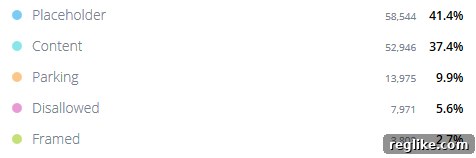
This 37% figure is a testament to the proactive nature of .Club registrants. It indicates a strong intent to build and engage, moving beyond mere speculative registration to active development. These sites range from simple landing pages announcing an upcoming project to fully fledged platforms fostering rich interactions. The presence of such a substantial percentage of content-rich sites within the first year highlights the genuine commitment of many registrants to leverage their .Club domain for immediate online presence and community building. This rapid transition from registration to active content creation underscores the perceived value and utility of the .Club TLD for a diverse range of projects and organizations.
Diversity in Structure: From Single Pages to Extensive Portals
The architectural variety of websites hosted on .Club domains is as diverse as the communities they represent. This adaptability showcases the flexibility of the .Club TLD, catering to both minimalist digital footprints and expansive online ecosystems. While many sites, including those that are parked or currently displaying placeholders, opt for a single-page structure, there’s a compelling counter-trend of highly developed, multi-page websites.
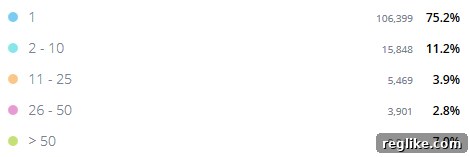
On one end of the spectrum, single-page websites often serve as effective digital brochures for local clubs, personal passion projects, or specific event announcements. They are quick to deploy, easy to maintain, and excellent for conveying concise information, making them ideal for small community groups or temporary campaigns. On the other end, sites like 100beers.club demonstrate the incredible potential for expansion, boasting hundreds of pages. Such extensive sites are typically built for larger communities, content-heavy platforms, e-commerce ventures, or intricate membership portals, providing a wealth of information, interactive features, and deep engagement opportunities to their visitors. This duality underscores that .Club is not limited to any single type of online presence but can scale from a focused digital card to a comprehensive, multi-faceted online hub, supporting a wide array of content strategies and user experiences.
A Global Gathering: Language Distribution Across .Club Domains
The internet is a global village, and the adoption of .Club domains clearly reflects this international characteristic. Online communities inherently transcend geographical borders, and the “club” concept resonates universally. While English naturally dominates as the most prevalent language across the websites dataprovider.com crawled, the data reveals a rich tapestry of linguistic diversity, underscoring .Club’s broad international appeal.
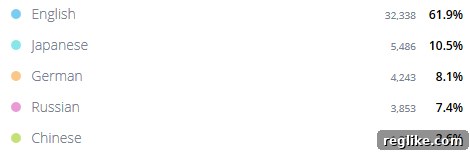
Beyond English, the .Club TLD has found significant popularity among speakers of Japanese, German, Russian, and Chinese. This isn’t just a count of active websites; it hints at the considerable number of individuals and organizations in these regions who have chosen .Club for their online ventures, even if their domains are currently parked. This global uptake demonstrates the universal understanding of “club” as a concept of community and belonging, transcending linguistic barriers and making .Club an attractive option for diverse cultural groups. The intrinsic meaning of “club” seems to translate well across different languages and cultures, making it an intuitive choice for fostering online communities worldwide.
For domain investors, developers, and businesses, this multilingual adoption provides valuable insights into potential markets and growth areas. It suggests that marketing and development efforts for .Club related services could benefit from targeting these specific linguistic communities, recognizing their existing affinity for the domain extension and tailoring content to their cultural contexts.
Beyond the Surface: Key Metrics Indicating Robust Activity
The data from dataprovider.com offers even more granular insights into the vitality and functionality of .Club domains. Several other metrics paint a positive and encouraging picture of active usage, security, and commercial intent within the .Club ecosystem, demonstrating its robust and multi-faceted applications:
-
Engagement and Contactability: Over 17,000 sites actively provide an email address for contact, and approximately 6,000 also feature a phone number. This high level of contact information indicates a strong desire for interaction and transparency. For clubs, this is crucial for membership inquiries, event coordination, and fostering a sense of community. For businesses, it signifies a commitment to customer service, direct engagement, and building trust. The presence of readily available contact details strengthens the sense of an active, responsive entity behind the website, encouraging communication and collaboration, which are core to any “club” concept.
-
Security and Trust with SSL: Close to 5,000 sites (or the websites their domains forward to) have implemented SSL certificates. In today’s internet landscape, SSL (Secure Sockets Layer) is not just a recommendation; it’s a necessity for security, user trust, and even search engine ranking. An SSL certificate encrypts data exchanged between the user and the website, protecting sensitive information like login credentials and payment details. The significant adoption of SSL on .Club domains suggests a growing awareness among registrants about safeguarding user data and establishing a secure online environment, particularly important for any site collecting personal information, processing transactions, or simply aiming to build credibility with its audience.
-
E-commerce Activity: A thousand sites on the .Club TLD proudly host an online store. This metric is a powerful indicator of commercial viability and direct economic activity taking place under the .Club umbrella. Whether it’s selling merchandise for a fan club, membership subscriptions for a professional club, exclusive products related to a specific hobby, or tickets to club events, these online stores demonstrate that .Club is a legitimate and effective platform for e-commerce ventures. This significant number highlights that registrants are not just building informational sites, but are actively engaging in commerce, contributing to a vibrant digital economy and demonstrating the commercial potential of this TLD.
-
Content Management System (CMS) Adoption: Nearly 20,000 sites have a Content Management System installed, with over 10,000 specifically using WordPress. The widespread adoption of CMS platforms, especially WordPress, signifies a commitment to dynamic content creation and ease of website management. CMS platforms empower users, regardless of technical skill, to build, update, and maintain rich websites with relative ease. The dominance of WordPress, in particular, points to a community that values flexibility, a vast ecosystem of plugins, and robust community support. This makes it an ideal choice for varied “club” purposes, from creating engaging blogs and forums to sophisticated membership sites and comprehensive community portals, further showcasing the active development and long-term vision of .Club registrants.
The Vision and Versatility of .Club
The initial vision for .Club was to create a digital home for the myriad of groups and communities that exist, both online and offline. This data unequivocally shows that this vision is being realized. From local book clubs to global fan communities, from fitness clubs to professional networking groups, and even for businesses creating loyalty programs or exclusive member areas, .Club offers an intuitive and highly relevant domain choice. Its versatility allows it to cater to a broad spectrum of interests and organizational structures.
Its inherent memorability and clear association with togetherness make it an excellent branding tool. Unlike more generic TLDs like .com, .Club immediately communicates the essence of a shared interest or membership, helping organizations and individuals to instantly connect with their target audience. This clarity not only aids brand recognition but also simplifies marketing efforts, making it easier for potential members or customers to understand the site’s purpose and feel a sense of belonging before even clicking a link. The domain itself becomes a statement of community.
Why Choose a .Club Domain? Benefits and Future Outlook
The first-year statistics for .Club present a compelling case for its continued success and growth. The active development, diverse linguistic adoption, and significant commercial and secure usage metrics highlight several key benefits for prospective registrants, making it an attractive option in a crowded domain market:
- Brand Relevance: A .Club domain directly reflects the purpose of a community, organization, or business centered around membership and shared interests, making it highly intuitive and brand-aligned.
- Memorability: It’s short, catchy, and easy to remember, leading to better recall and direct navigation, which is invaluable for organic traffic.
- Availability: While premium .com domains are increasingly scarce and expensive, .Club offers a vast array of desirable names, allowing registrants to secure their preferred brand or keyword-rich domain without compromise.
- Global Appeal: The universal understanding of “club” transcends cultures and languages, making it a suitable and recognizable choice for international ventures and diverse communities.
- Credibility: The growing ecosystem of active, secure, and content-rich .Club sites lends credibility to new registrations, as users increasingly associate the TLD with legitimate and engaging online presences.
Looking ahead, the strong foundation laid in its first year suggests a promising trajectory for .Club. As more groups and businesses recognize the distinct advantages and the vibrant community already thriving under this TLD, we can anticipate continued growth, innovation, and an even broader spectrum of online applications. Its early success is a strong indicator of its long-term potential as a premier digital home for communities worldwide.
Conclusion: A Thriving Digital Community
One year after its general availability, the .Club domain name has not only met but exceeded expectations, demonstrating impressive growth and diverse utility across the global internet. The data provided by dataprovider.com unequivocally showcases a vibrant and active ecosystem, characterized by a substantial number of content-rich websites, global linguistic adoption, robust security measures, and genuine commercial activity.
From simple landing pages designed for local gatherings to complex e-commerce platforms and multi-page community portals, .Club domains are actively shaping digital communities and fostering connections across the globe. Its success underscores the enduring human desire for belonging and shared experiences, elegantly translated into a powerful and intuitive online identity. The future appears exceptionally bright for .Club, as it continues to evolve into an indispensable online address for clubs of all kinds, everywhere, solidifying its place as a cornerstone of the new gTLD landscape.