
Beetlejuice, Beetlejuice, Beetlejuice!
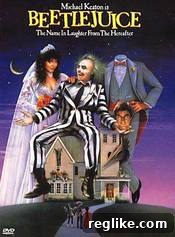
For many, uttering those three iconic words sends a chill down their spine, a nostalgic pang for the fantastical, macabre world created by Tim Burton. The original Beetlejuice, released in 1988, wasn’t just a movie; it was a cultural phenomenon that blended horror, comedy, and fantasy into a darkly delightful package. I vividly recall watching it as a ten-year-old, captivated and somewhat terrified by its unique brand of spooky charm. The film left an indelible mark, introducing audiences to a world where the afterlife was bureaucratic, and a mischievous “ghost with the most” could be hired to scare away the living.
The Undeniable Legacy of the Original Beetlejuice
Tim Burton’s Beetlejuice emerged during a vibrant era of filmmaking, yet it stood out with its distinct visual style and offbeat narrative. Starring Michael Keaton in an unhinged, unforgettable performance as the titular bio-exorcist, alongside Geena Davis and Alec Baldwin as the recently deceased Maitlands, and a young Winona Ryder as the gothic, artistic Lydia Deetz, the film became an instant classic. Its premise was simple yet ingenious: a recently deceased couple finds their serene home invaded by an obnoxious New York family and, in desperation, enlist the help of Beetlejuice to reclaim their peace.
What truly set Beetlejuice apart was its audacious blend of genres. It was a horror film without being overtly scary, a comedy that delved into the morbid, and a fantasy that explored the whimsical side of death. Burton’s signature style – a gothic aesthetic infused with quirky humor and practical effects – was in full display. From the sandworms of Saturn to the bizarre denizens of the afterlife waiting room, every frame was a testament to imaginative filmmaking. Danny Elfman’s iconic score perfectly complemented the film’s eccentricities, becoming as synonymous with the movie as Keaton’s striped suit.
The film’s critical and commercial success cemented its place in cinematic history. It grossed over $73 million on a modest budget and earned an Academy Award for Best Makeup. More importantly, it cultivated a devoted fan base that has championed its uniqueness for decades. Lydia Deetz, with her existential angst and dark fashion sense, became an enduring icon for outsiders, while Beetlejuice himself became synonymous with chaotic fun and rebellion. For an entire generation, including myself, it was an introduction to the darker, more creative side of cinema, showing that movies could be weird, wonderful, and wonderfully weird all at once. Now, decades later, the thought of revisiting the original sparks a desire to re-examine what made it such an enduring hit, perhaps to truly understand its layers beyond a child’s initial fright.
“Beetlejuice Beetlejuice”: The Highly Anticipated Sequel Looms
After years of rumors, false starts, and fervent fan petitions, the long-awaited sequel, officially titled Beetlejuice Beetlejuice, is finally on the horizon. This week, the news officially broke, sending waves of excitement across the internet and reigniting enthusiasm for one of Hollywood’s most beloved cult classics. Warner Bros. Pictures, the studio behind the original, is taking significant steps to ensure the sequel’s success and protect its intellectual property, a clear sign of their confidence in the project.
Tim Burton and the Return of Iconic Stars
The sequel wouldn’t feel right without the visionary director who brought the original to life, and thankfully, Tim Burton is back at the helm. His return instills confidence that Beetlejuice Beetlejuice will retain the distinctive tone and visual flair that defined its predecessor. Even more thrilling is the confirmation of several key cast members reprising their roles. Michael Keaton is set to return as the titular character, a performance that remains one of his most celebrated. Fans can also rejoice at the news that Winona Ryder will be back as Lydia Deetz, a role that defined her early career and holds a special place in the hearts of many. Catherine O’Hara will also return as Delia Deetz, Lydia’s eccentric stepmother, promising more of her wonderfully dramatic presence.
Fresh Faces Joining the Afterlife Antics
While the return of familiar faces is a huge draw, the sequel is also introducing a new generation to the quirky universe of Beetlejuice. Perhaps the most anticipated addition to the cast is Jenna Ortega, whose recent work in Netflix’s Wednesday (also directed by Tim Burton) has cemented her as a formidable talent in the gothic genre. Ortega is set to play Astrid, Lydia Deetz’s daughter, hinting at a generational continuation of the Deetz family’s entanglement with the supernatural. This casting alone has generated immense buzz, with many eager to see the dynamic between Ortega’s character and the returning Beetlejuice.
Further bolstering the already impressive ensemble are other notable talents: Justin Theroux in an undisclosed role, Monica Bellucci as Beetlejuice’s wife, and the legendary Willem Dafoe reportedly playing a ghost detective who was a B-movie action star in his living days. These new additions promise to inject fresh energy and expand the intricate mythology of the afterlife, ensuring that the sequel offers both nostalgic comfort and exciting new narrative avenues. With such a stellar cast and Burton’s guiding hand, the stage is set for a truly memorable cinematic event.
Warner Bros.’ Proactive Digital Strategy: Securing Domain Names
In a clear demonstration of their commitment and strategic foresight, Warner Bros. has been actively securing a multitude of domain names related to Beetlejuice Beetlejuice. This move, which recently became public, underscores the studio’s comprehensive approach to intellectual property protection and marketing in the digital age. Registering numerous variations of a film’s title is standard practice for major studios, but the sheer volume and specific choices reveal a meticulous plan to dominate the online presence for the upcoming film.
The studio has successfully snapped up at least nine domain names for the sequel, ensuring that potential fans, media outlets, and curious web surfers will be directed to official content. Crucially, they have secured:
- beetlejuice2.com
- beetlejuice-2.com
- beetlejuice-movie.com
- beetlejuice2movie.com
- beetlejuicemovie.com
- beetlejuicepart2.com
- beetlejuicethemovie.com
- beetlejuicetwo.com
- thebeetlejuicemovie.com
This extensive list covers various common search terms and stylistic preferences for titling a sequel. Securing these domains early prevents cybersquatters from purchasing them and attempting to sell them back to the studio at inflated prices or, worse, using them to host unofficial or malicious content. It also allows Warner Bros. to control the narrative and direct traffic to official trailers, promotional materials, and ticketing information, consolidating their digital footprint.
The Curious Case of Beetlejuice.com
Amidst this comprehensive registration spree, one notable domain name remains conspicuously absent from Warner Bros.’ newly acquired portfolio: beetlejuice.com. This observation raises an interesting point. It’s highly probable that this prime domain was registered long ago, likely by another entity or perhaps even by Warner Bros. itself during the original film’s release or subsequent licensing deals, and is simply not available for re-acquisition for the *sequel’s* specific marketing push. It could also be held by a third party, possibly a fan site, a merchandise seller, or even an unrelated business. While owning the exact match for the franchise’s name would be ideal, the studio’s focus on variations that clearly indicate a “sequel” or “movie” suggests a targeted strategy for this particular release.
The emphasis on “Beetlejuice 2,” “Beetlejuice Two,” and similar iterations for the sequel’s domain names underlines the studio’s desire to clearly differentiate the new film from the original online, while still leveraging the powerful brand recognition. This meticulous planning is a testament to the high stakes involved in modern blockbuster releases, where digital presence is just as crucial as traditional marketing campaigns.
The Enduring Appeal and Future Impact
The return of Beetlejuice is more than just another sequel; it’s a testament to the enduring power of unique storytelling and unforgettable characters. For fans who grew up with the original, like myself, it’s a chance to revisit a beloved world with new eyes and perhaps, this time, less apprehension than my ten-year-old self. The horror-comedy genre has evolved, but the core appeal of Beetlejuice — a playful dance between life and death, the absurd and the macabre — remains timeless.
As I stand in my thirties, far removed from the easily spooked child I once was, the prospect of Beetlejuice Beetlejuice doesn’t fill me with dread but with eager anticipation. It’s an opportunity to experience Tim Burton’s unique vision once more, to see Michael Keaton embody the chaotic spirit of Beetlejuice, and to witness Winona Ryder’s Lydia Deetz continue her journey. The sequel promises to be a bridge between generations, introducing the ghost with the most to new audiences while satisfying the nostalgic cravings of long-time devotees. With the release date set for September 2024, the countdown has officially begun for what is undoubtedly one of the most exciting cinematic events of the decade. Get ready to say his name again, because Beetlejuice is back, and he’s bringing his own brand of delightful chaos with him.