
The Battle for Premium Digital Real Estate: UDRP Filings Target Valued Dictionary Domains
In the dynamic landscape of the internet, a domain name often serves as the cornerstone of a brand’s digital identity. For businesses and individuals alike, securing a memorable and relevant domain is paramount. Yet, the pursuit of these digital assets frequently leads to disputes, particularly when highly coveted dictionary word domains are involved. Recently, the domain world has witnessed the emergence of two notable UDRP (Uniform Domain-Name Dispute-Resolution Policy) filings targeting exceptionally valuable dictionary term domain names: Lotto.com and Naturals.com. These cases underscore the ongoing tension between trademark holders seeking to protect their brands and domain registrants who may have acquired generic terms for their inherent value, raising critical questions about digital property rights and fair use.
Understanding the UDRP: A Vital Tool in Domain Disputes
The Uniform Domain-Name Dispute-Resolution Policy (UDRP) is an internationally recognized process designed to resolve disputes concerning the registration of domain names. Administered by organizations like the World Intellectual Property Organization (WIPO), the UDRP provides a streamlined, cost-effective alternative to traditional litigation. It aims to combat “cybersquatting,” the practice of registering a domain name in bad faith, usually to profit from the goodwill of a trademark owner. To succeed in a UDRP complaint, a complainant must prove three essential elements:
- The domain name is identical or confusingly similar to a trademark or service mark in which the complainant has rights.
- The registrant of the domain name has no rights or legitimate interests in respect of the domain name.
- The domain name has been registered and is being used in bad faith.
These principles form the bedrock upon which all UDRP decisions are made, making each element crucial for both the complainant and the respondent to address effectively. The stakes are particularly high when the domain names in question are single dictionary words, as their inherent descriptive or generic nature often complicates the arguments around legitimate interest and bad faith.
The Undeniable Value of Dictionary Word Domains
Why are domains like Lotto.com and Naturals.com considered so valuable? Dictionary word domains possess intrinsic appeal due to their memorability, brevity, and universal recognition. They are easy to recall, spell, and communicate, making them ideal for branding and marketing. Such domains often command premium prices in the secondary market because they inherently carry trust, authority, and often a significant amount of direct navigation traffic. For businesses, owning a dictionary word domain can instantly convey credibility and establish a strong online presence. For registrants, these domains can represent a significant asset, whether held for development, investment, or resale. The perceived value, however, also makes them frequent targets for trademark holders seeking to consolidate their brand’s digital footprint.
Case in Focus: Lotto.com and the Global Lottery Brand Battle
The news of a UDRP filing against Lotto.com has sent ripples through the domain community. This development follows closely on the heels of another notable dispute involving a lotto company and Lotto Sport, highlighting the complexities surrounding the “lotto” term. In this latest UDRP case, the complaint against Lotto.com was filed by Bremer Toto und Lotto GmbH. This German entity operates using the domain name lotto-bremen.de, suggesting a regional or state-level lottery operation within Germany. The domain Lotto.com, meanwhile, is registered to Cavour Ltd., a company based in the Isle of Man.
The crux of the dispute likely revolves around the inherent nature of the word “Lotto.” While “lotto” is a generic term referring to a game of chance, it also forms a crucial part of numerous established lottery brands worldwide. The key question for the UDRP panel will be whether Bremer Toto und Lotto GmbH possesses trademark rights sufficient to encompass such a broad, generic term globally, or if their rights are primarily confined to their specific geographical or operational scope. Furthermore, the panel will assess if Cavour Ltd. has a legitimate interest in the domain, perhaps through its generic use or prior investment, and whether the registration was made in bad faith. The nuanced differences between national, regional, and international lottery systems could play a significant role in the arguments, as a generic term in one context might be a protected brand in another. This case epitomizes the challenge of reconciling generic dictionary terms with established brand identities in a global digital marketplace.
Case in Focus: Naturals.com and the Indian Beauty Empire
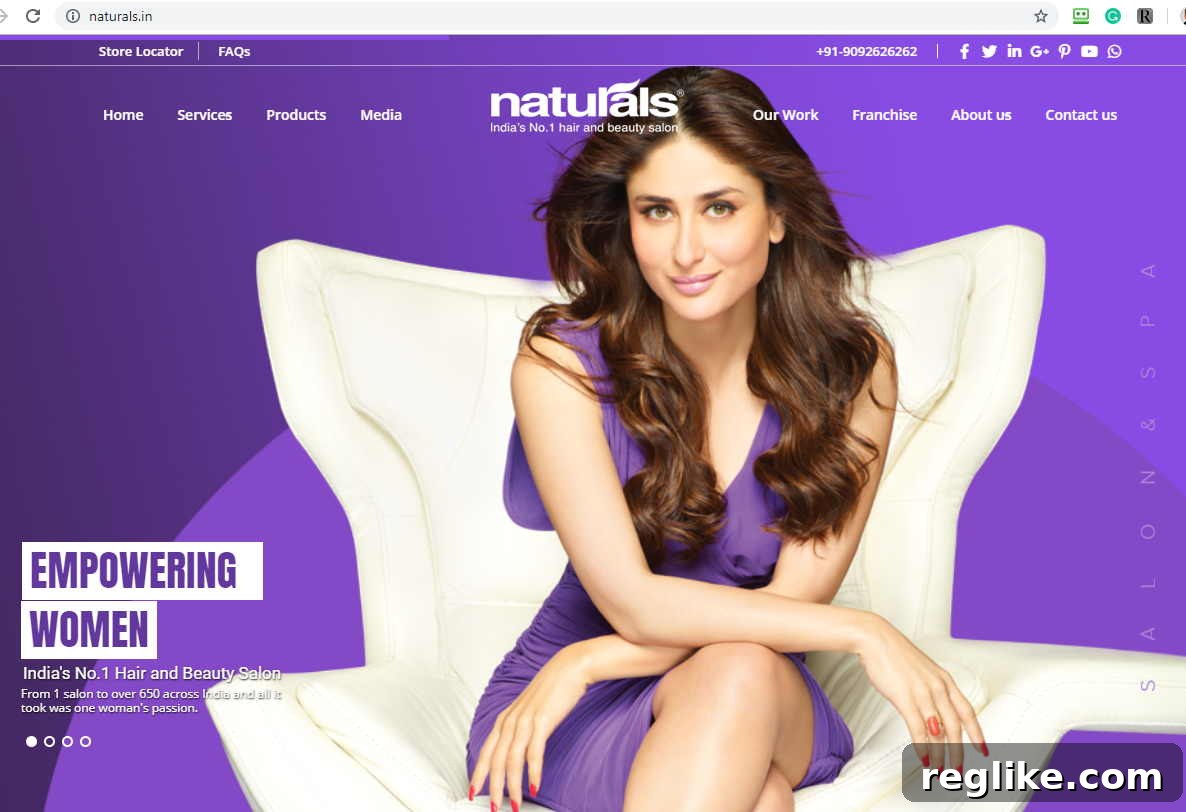
Another compelling UDRP case centers around Naturals.com. Here, the Complainant is identified as Veena Kumaravel, a prominent entrepreneur from India. She is the driving force behind a rapidly expanding chain of 550 beauty salons operating under the name “Naturals.” Her company already utilizes the domain Naturals.in, indicating a well-established brand presence within India. The domain Naturals.com, on the other hand, is currently registered to Daegu Law Auction in Korea.
This case presents a classic scenario where an established, successful business operating under a brand name seeks to acquire the corresponding .com domain, often seen as the ultimate digital address. Veena Kumaravel’s extensive network of beauty salons and her use of Naturals.in strongly suggest that she possesses significant trademark rights for “Naturals” within her operational sphere. The challenge, similar to the Lotto.com case, lies in the generic nature of “Naturals.” The term broadly refers to anything not artificial, often used in beauty, health, and food industries. The complainant will need to demonstrate that “Naturals” has acquired a “secondary meaning” directly associated with her beauty salon chain, making it more than just a generic descriptor within her industry. The registrant, Daegu Law Auction, being a “law auction” company, might introduce complexities regarding how the domain was acquired, potentially impacting arguments around legitimate interest or bad faith. Elliot Silver’s subsequent reporting provides more info on Naturals.com, which could shed light on the specific trademark registrations held by the complainant or the history of the domain’s ownership, factors that will be pivotal in the panel’s decision.
Common UDRP Arguments and Defenses: A Closer Look
For registrants of valuable dictionary domains, understanding common UDRP arguments is crucial. A complainant’s success hinges on proving all three elements outlined above. For instance, proving “bad faith” can involve demonstrating that the domain was registered primarily for the purpose of selling it to the trademark owner for a profit exceeding out-of-pocket costs, or that it was registered to disrupt a competitor’s business. Conversely, a registrant can defend by showing a “legitimate interest” in the domain. This might include evidence of prior use of the generic term for a legitimate business, demonstrable preparations to use the domain for a bona fide offering of goods or services, or that the registrant is commonly known by the domain name. The burden of proof rests heavily on the complainant, and panels often scrutinize the evidence carefully, especially when generic or descriptive terms are involved.
Implications for Domain Owners and Businesses in the Digital Age
These UDRP cases serve as powerful reminders for both domain owners and businesses. For domain investors and registrants of valuable dictionary domains, it highlights the inherent risks. Owning a generic or descriptive term domain, while potentially lucrative, can attract legal challenges from trademark holders who believe their brand is being infringed upon. It underscores the importance of thorough due diligence, including trademark searches, before acquiring such domains and having a clear, legitimate plan for their use. For businesses, these filings emphasize the critical need for robust trademark protection strategies that extend beyond their primary operating domains (e.g., .in or .de) to encompass global top-level domains like .com. Proactive registration of key brand terms across various TLDs and diligent monitoring for potential cybersquatting are essential steps in safeguarding a brand’s digital identity in an increasingly competitive online environment.
Conclusion: The Ongoing Tug-of-War Over Digital Real Estate
The UDRP filings against Lotto.com and Naturals.com are more than just isolated incidents; they are symptomatic of the ongoing battle for premium digital real estate. As the internet continues to be the primary nexus for commerce and communication, the value of short, memorable, dictionary word domains will only continue to appreciate. These cases underscore the complexities inherent in reconciling traditional trademark law with the fluid, global nature of the internet. They highlight the delicate balance between protecting legitimate brand rights and respecting the rights of those who register generic terms in good faith. As these disputes unfold, they will undoubtedly contribute to the evolving jurisprudence of domain name law, offering valuable lessons for brand owners, domain investors, and the wider digital community about navigating the challenging landscape of online property rights.