
The Digital Frontier: Epik Becomes Registrar for Controversial Platform Gab.com, Sparking Debate on Free Speech and Online Governance
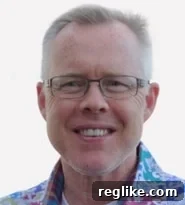
In the evolving landscape of internet governance, where the lines between free expression and harmful content are constantly debated, a significant development has unfolded. Epik, a domain registrar known for its outspoken stance on internet freedom, has formally taken on Gab.com as a client, accepting the domain transfer after the controversial social network was effectively de-platformed by previous service providers. This move by Epik’s CEO, Rob Monster, underscores a broader ideological commitment to what he terms “digital sovereignty” and positions Epik at the forefront of a contentious debate surrounding online censorship and the responsibilities of internet infrastructure companies.
Most domain name registrars typically shy away from highly controversial clients, viewing them as potential liabilities or “hot potatoes.” The decision to host Gab.com, a platform frequently associated with extremist content and hate speech allegations, is a deliberate departure from industry norms. Gab.com gained widespread notoriety after it was revealed that the perpetrator of the horrific Pittsburgh synagogue shooting had posted antisemitic rants on the site shortly before the attack. This incident brought immense public scrutiny upon the platform and its service providers, intensifying the pressure on internet companies to actively moderate content and, in some cases, refuse service to platforms deemed to facilitate hate speech or incitement to violence.
The journey of Gab.com’s domain name through various registrars reflects this immense pressure. Initially, the domain was registered with GoDaddy, one of the world’s largest domain registrars. Following the Pittsburgh tragedy, GoDaddy faced an avalanche of criticism and, in response, issued a directive to Gab.com’s founder, Andrew Torba, to find an alternative registrar. GoDaddy’s decision, like those of many other tech companies facing similar dilemmas, was rooted in its terms of service, which typically prohibit content that promotes violence, hate speech, or illegal activities. After departing from GoDaddy, Gab.com briefly moved to Uniregistry, another prominent registrar, before ultimately finding a more permanent home with Epik.
Epik’s willingness to embrace Gab.com, rather than shun it, is consistent with the company’s long-standing philosophy and branding. Rob Monster has consistently articulated a vision of an internet free from centralized control and censorship. He frequently employs terms like “digital sovereignty” and actively promotes decentralization as core principles for a resilient and truly free internet. Epik has even marketed itself as “The Swiss Bank of Domains,” an analogy intended to convey a commitment to neutrality and a refusal to arbitrarily de-platform clients based on content that may be unpopular or controversial, so long as it operates within legal bounds. This branding resonates with a specific segment of internet users and platforms who feel marginalized or censored by mainstream service providers.
In a detailed blog post published shortly after the domain transfer, Monster elaborated on his rationale, directly addressing the accusations of censorship leveled against other tech giants. He wrote, “De-Platforming is Digital Censorship. Blacklisting is Digital Shunning.” This statement encapsulates the core of Epik’s stance, framing the removal of platforms from internet infrastructure as a form of digital authoritarianism that stifles legitimate, albeit contentious, discourse. Monster emphasized his personal pursuit of truth in the wake of the news surrounding Gab.com, indicating a methodical approach rather than a knee-jerk reaction.
He further detailed his engagement with Andrew Torba, Gab’s founder:
As the news broke, and as some elements in the mainstream media rendered their judgement, I embarked on my own search for truth. Along the way, I did have an opportunity to meet with the Founder of Gab, Andrew Torba, an entrepreneur who was willing to swim against the tide for what he believes is right, namely empowering netizens to discuss openly about matters of mutual interest with limited risk of censorship.
Although, I did not take the decision lightly to accept this domain registration, I look forward to partnering with a young, and once brash, CEO who is courageously doing something that looks useful. As I reflect on my own journey as a truth-seeking tech entrepreneur, I have no doubt that Andrew will continue to develop not only as tech entrepreneur but also as a responsible steward — one that can balance bravado with diplomacy and who tempers courage with humility.
Monster’s words reveal a nuanced perspective. While acknowledging the gravity of the decision, he expresses a belief in Torba’s potential for growth and responsible stewardship. This sentiment suggests that Epik’s acceptance of Gab.com is not merely an act of ideological defiance but also an investment in the idea that even controversial platforms can evolve and contribute positively to the digital public square, provided they are not entirely silenced. It also highlights a tension between enforcing speech codes and fostering an environment where even challenging viewpoints can develop responsibility.
This development raises critical questions for the future of online discourse and the role of internet infrastructure providers. Will Epik become a preferred refuge for other controversial sites that face de-platforming from mainstream registrars, web hosts, and other service providers? The implications of such a trend are significant. On one hand, it could solidify Epik’s position as a champion of absolute free speech, attracting a niche market that values unmoderated expression above all else. On the other hand, it could also position Epik as a destination for platforms that are widely perceived to facilitate hate speech, misinformation, or extremist ideologies, potentially increasing scrutiny and reputational risk.
It is no secret that managing controversial domains comes with considerable “headaches” for registrars. The operational costs can far exceed the modest annual registration fees, often around $10 per domain. These “headaches” include heightened legal scrutiny, increased pressure from advocacy groups, potential backlash from other customers, and the need for robust legal and policy teams to navigate complex issues. However, for Rob Monster and Epik, these challenges appear to be acceptable in furtherance of deeply held beliefs about internet freedom and digital sovereignty. Their stance suggests a willingness to absorb these costs, both financial and reputational, as a necessary investment in protecting what they perceive as fundamental digital rights.
The broader debate surrounding “de-platforming” versus “free speech absolutism” continues to rage. Proponents of de-platforming argue that internet companies have a moral and ethical responsibility to prevent the spread of harmful content, especially when it incites violence, promotes hate, or threatens democratic processes. They often highlight the real-world consequences of unchecked online speech. Conversely, advocates for unrestricted free speech argue that censorship, regardless of its motivation, sets a dangerous precedent, leading to a slippery slope where legitimate dissent can be stifled. They contend that the solution to bad speech is more speech, not less, and that private companies should not act as arbiters of truth or morality.
Epik’s decision to host Gab.com represents a clear alignment with the latter perspective, reinforcing its commitment to a hands-off approach to content regulation at the infrastructure level. This move solidifies Epik’s niche in the domain registration market, distinguishing it from competitors who have opted for a more proactive stance on content moderation. As the digital world continues to grapple with the complexities of online governance, freedom of speech, and accountability, Epik’s role as a haven for controversial platforms will undoubtedly remain a focal point of discussion and debate. The outcome of this strategic and ideological choice will shape not only Epik’s future but also contribute significantly to the ongoing discourse about the fundamental nature of our interconnected digital society.