
Domain Name Expiration: A Near Miss and How to Protect Your Domains
The digital world relies heavily on domain names, the foundation of our online presence. Losing a domain name, especially a valuable one, can have serious consequences. This week, I experienced a close call with a domain name expiration, and I’m sharing my experience and the lessons I learned to help you avoid a similar situation. Protecting your domain assets is crucial for maintaining your brand, business continuity, and online identity.
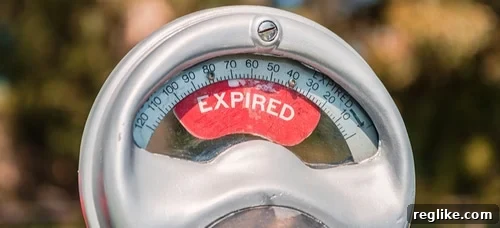
This near-disaster involved a domain name I acquired through a NameJet auction almost a year ago. The domain was registered with Register.com, and it was a promising asset. Over the past year, I received multiple inquiries about the domain, including one from a major corporation, indicating its potential value and market interest. The importance of proactively managing and securing your domain portfolio cannot be overstated.
The Discovery: A Domain Transferred
The first sign of trouble came in the form of a DomainTools registrant alert. This alert informed me that the domain’s ownership information had been changed from my company name to Perfect Privacy, LLC. Perfect Privacy, LLC, is a proxy service often associated with Web.com registrars, including Register.com and Network Solutions. This change immediately raised a red flag, suggesting an unauthorized or unintended modification of the domain’s registration details. Staying vigilant and promptly investigating any changes to your domain’s WHOIS information is a critical step in protecting your digital assets.
Upon receiving this alert, I immediately logged into my Register.com account to investigate. To my dismay, I discovered that the domain had expired three days prior. The realization that a valuable domain name was at risk of being lost was a stark reminder of the importance of diligent domain management. This situation highlights the critical need for proactive monitoring and timely renewal of your domain names to avoid potential loss and related complications.
The Missed Notifications
The most perplexing aspect of this situation was that I did not recall receiving any of the ICANN-mandated expiration notices from Register.com. ICANN (Internet Corporation for Assigned Names and Numbers) requires registrars to send notifications regarding domain expiration to ensure domain owners have ample opportunity to renew their domains. While I can’t definitively say that Register.com didn’t send these notices, it’s highly likely that they were lost in the deluge of promotional emails I receive from them. A significant portion of emails from Register.com ends up in my spam folder due to their high volume of promotional content. Their marketing strategy involves sending numerous emails daily, often using attention-grabbing subject lines like “Urgent” or “Alert,” even when the content is simply a sales pitch for services like search engine optimization (SEO). These tactics make it easy to overlook legitimate expiration notices amidst the promotional clutter. The high volume of marketing emails can easily mask important notices, emphasizing the need for alternative methods to track domain expiration dates.
Protecting Your Domains: Two Essential Tips
Regardless of whether the expiration notices were sent or not, this experience served as a valuable lesson in the importance of proactive domain management. To help you avoid a similar situation, I’ve outlined two essential tips for protecting your domain names from accidental expiration.
1. Implement a Domain Monitoring Service
The first tip involves leveraging the power of domain monitoring services such as DomainTools or DomainIQ. These services provide notifications whenever there are changes to your domain’s WHOIS information. The WHOIS database contains registrant details, and any alteration to this information can signal potential issues, such as unauthorized transfers or expiration-related changes. Although the implementation of GDPR (General Data Protection Regulation) has limited the availability of personal information in the WHOIS database, these monitoring services can still track domain status changes that indicate expiration. These alerts provide an early warning system, allowing you to take immediate action to rectify any issues and prevent domain loss. These services are particularly useful in providing an additional layer of security and vigilance, ensuring that you’re always aware of your domain’s status. This proactive approach can help prevent surprises and costly mistakes related to domain expiration.
Using domain monitoring services offers a critical layer of defense against accidental domain loss. While the information available through WHOIS might be limited due to privacy regulations like GDPR, these services are adept at tracking crucial domain status changes that can alert you to potential expiration or unauthorized modifications. The key is to act swiftly upon receiving these alerts, thoroughly investigating the cause of the changes and taking the necessary steps to rectify the situation. By staying informed and responding promptly, you can effectively safeguard your domain names and maintain your online presence without interruption.
2. Establish a Domain Transfer Schedule
The second tip focuses on streamlining your domain management by consolidating your domains with your primary registrar. If you, like me, acquire domain names from various sources, such as expired domain auctions, it’s crucial to transfer these domains to your main registrar on a regular schedule. For example, you could set up a quarterly reminder on your calendar to transfer newly acquired domains to your preferred registrar. This practice simplifies domain management, centralizes billing, and reduces the risk of overlooking expiration notices from multiple registrars. Consolidating your domains also offers the advantage of managing all your domains from a single platform, simplifying renewals and reducing the chances of missing critical updates. By adopting a proactive and organized approach, you can minimize the risk of losing valuable domain names due to oversight or missed notifications.
By consolidating your domain portfolio at your primary registrar, you benefit from streamlined management, unified billing, and a reduced risk of missing crucial notifications. Imagine having all your domain-related communications and renewals centralized in one place, making it significantly easier to stay on top of expiration dates and other important updates. This consolidated approach not only simplifies your domain management processes but also provides a clear overview of your domain assets, enhancing your ability to protect and maintain them effectively. Scheduling quarterly transfers can become a routine part of your domain management strategy, ensuring that your domain portfolio remains organized, secure, and easily accessible.
Conclusion: Proactive Domain Management is Key
Losing a domain name can be a costly and disruptive experience. However, by implementing these two simple yet effective tips, you can significantly reduce the risk of accidental domain expiration. Using a domain monitoring service provides an early warning system for any changes to your domain’s status, while consolidating your domains with your primary registrar simplifies management and reduces the risk of overlooking expiration notices. Taking proactive measures to manage your domain names is essential for protecting your online assets and maintaining your digital presence. Don’t wait until you’re facing a near-miss situation like mine; take action today to safeguard your valuable domain names. Remember, proactive domain management is an investment in your online success and future.
In the ever-evolving digital landscape, domain names remain a critical component of brand identity and online presence. Protecting these valuable assets requires a proactive and vigilant approach. By leveraging domain monitoring services and consolidating your domain portfolio, you can significantly enhance your ability to manage and secure your domain names effectively. Remember, the consequences of losing a domain can be far-reaching, impacting your brand reputation, business continuity, and overall online success. Invest the time and effort in implementing these strategies to safeguard your digital assets and ensure a secure and sustainable online presence for years to come.