
Naturals.com UDRP Decision: Complainant Fails, But Avoids Reverse Domain Name Hijacking
In a recent decision, a UDRP (Uniform Domain Name Dispute Resolution Policy) case concerning the domain name Naturals.com has concluded, siding with the domain name registrant. The complaint was initiated by an India-based chain of beauty salons and training centers operating under the “Naturals” brand. While the complainant’s claim was ultimately unsuccessful, the panel notably refrained from finding them guilty of reverse domain name hijacking (RDNH), a decision that warrants closer examination.
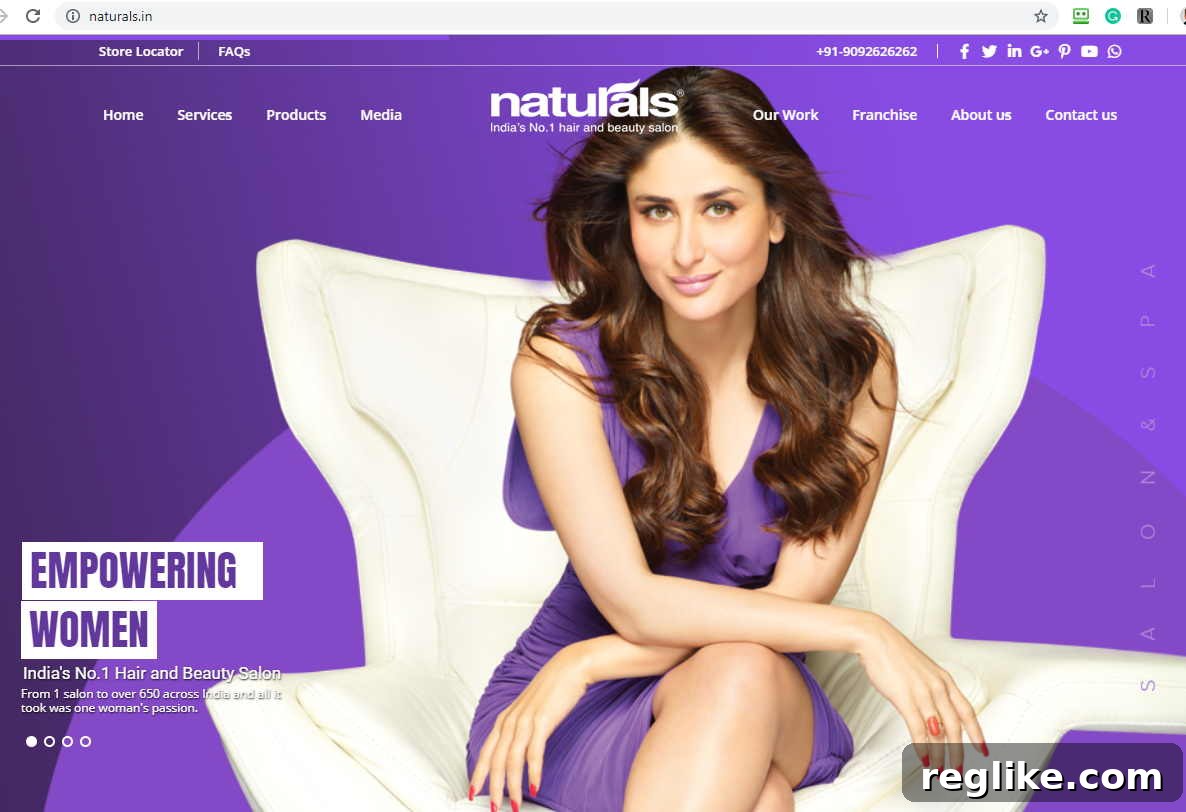
The UDRP case, filed several months ago, centered on the complainant’s assertion that the domain name Naturals.com infringed upon their trademark rights and was being used in bad faith. Given that “naturals” is a common dictionary word, the odds were stacked against the complainant from the outset. However, the more intriguing aspect of the case lies in the potential for a finding of reverse domain name hijacking, a penalty imposed on complainants who attempt to unfairly wrest control of a domain name from its legitimate owner.
Background of the Case
The complainant, a well-established chain of beauty salons in India, argued that the domain name Naturals.com was confusingly similar to their brand and that the registrant was using it with the intent to profit unfairly from their reputation. They further contended that the domain name’s existence hindered their ability to effectively market their services online and risked causing confusion among potential customers.
The respondent, the domain name registrant, countered that they had registered Naturals.com in 2001, long before the complainant had established a significant online presence. They argued that the domain name was a generic term and that they had not acted in bad faith by registering or using it. They also pointed out that the complainant had primarily operated under the domain name Naturals.in, suggesting that their claim to Naturals.com was tenuous at best.
The Panel’s Decision
The World Intellectual Property Organization (WIPO) panel, tasked with adjudicating the dispute, ultimately ruled in favor of the respondent, finding that the complainant had failed to demonstrate that the domain name was registered and used in bad faith. The panel acknowledged the complainant’s trademark rights in the “Naturals” mark but concluded that the respondent’s prior registration and use of the domain name undermined the claim of cybersquatting.
However, the most noteworthy aspect of the decision was the panel’s refusal to find the complainant guilty of reverse domain name hijacking. RDNH occurs when a complainant brings a UDRP claim in bad faith, attempting to deprive a legitimate domain name holder of their rights. Factors considered in determining RDNH include whether the complainant knew or should have known that their claim was unlikely to succeed and whether they engaged in abusive or harassing behavior.
Why No Reverse Domain Name Hijacking?
Despite the complainant’s ultimately unsuccessful claim, the panel determined that they had not acted in bad faith. The panel reasoned that the complainant seemed genuinely convinced that the respondent was using the domain name primarily to offer it for sale at an inflated price, a practice that could potentially be construed as bad faith. The panel also noted that the evidence did not conclusively demonstrate that the complainant was fully aware that their claim was destined to fail.
According to the panelist, Christopher Gibson:
Panels have found that the mere lack of success of a complaint is not itself sufficient for a finding of RDNH. In this case, the Panel finds that Complainant satisfied two of the three elements under the Policy. Complainant seems to have been convinced that, while it has trademark rights in its NATURALS mark, Respondent was only using the Domain Name for the purpose of offering it for sale to Complainant at an amount clearly in excess of Respondent’s out-of-pocket costs. The file does not show that Complainant knew or should have clearly known that it could not succeed under any fair interpretation of facts reasonably available prior to the filing of the Complaint and before receiving Respondent’s Response.
This reasoning, however, is open to debate. A more thorough due diligence process would have likely revealed the weakness of the complainant’s case. The fact that the domain name was registered long before the complainant established a significant online presence should have been a red flag. Furthermore, the generic nature of the term “naturals” makes it difficult to assert exclusive rights over the corresponding domain name.
The Complainant’s Arguments
The complainant’s arguments, as presented in the UDRP filing, appeared somewhat weak and misguided. They argued that the domain name’s use would damage their business and reputation, causing confusion among customers. They also asserted that domain names were becoming increasingly important corporate assets and that they would be unable to effectively pursue their business plans online without the domain name.
Their formal statement included:
Complainant further states that the use and existence of Domain Name will cause damage to Complainant’s business and reputation, and to customers and the general public. Any misrepresentation caused on account of the Domain Name would result in confusion and deception in the minds of customers. In this regard, domain names are emerging corporate assets and have evolved as a fulcrum of a company’s visibility and marketing operations. Business transactions will soon be carried out only through Internet addresses rather than street addresses, post boxes or faxes. Complainant states that it will not be able to effectively pursue its business plans on the Internet unless the registration of the Domain Name is held by Complainant. Complainant states it is the legitimate owner of the domain names naturals.in and naturals.lk, through which it undertakes business and promotional activities. In view of the Domain Name’s registration, Complainant stands to lose financially and faces the imminent risk of dilution of brand value associated with the mark NATURALS.
The panel seemed to give some weight to the argument that the complainant only recently recognized the importance of securing the Naturals.com domain, suggesting a possible lack of urgency or foresight in their initial online strategy.
Implications and Lessons Learned
This case highlights the importance of conducting thorough due diligence before initiating UDRP proceedings. Complainants should carefully assess the strength of their claims, considering factors such as the domain name’s registration date, the generic nature of the term, and the respondent’s use of the domain name. A weak case not only risks failure but also exposes the complainant to the possibility of being found guilty of reverse domain name hijacking.
For domain name registrants, this case serves as a reminder that owning a domain name, even a generic one, can be a valuable asset. It also underscores the importance of maintaining accurate registration information and avoiding any actions that could be construed as bad faith. While winning a UDRP case is a victory, avoiding the hassle and expense of a dispute is even better.
DePenning & DePenning’s Track Record
The law firm representing the beauty chain, DePenning & DePenning, has a history of involvement in reverse domain name hijacking cases. They have been on the receiving end of multiple RDNH findings, raising questions about their approach to UDRP filings. Their involvement in this case, which arguably lacked merit from the outset, further fuels the debate surrounding their litigation strategy.
Conclusion
The Naturals.com UDRP case provides valuable insights into the complexities of domain name disputes and the delicate balance between protecting trademark rights and preventing reverse domain name hijacking. While the complainant ultimately failed to acquire the domain name, they narrowly avoided the stigma and potential consequences of an RDNH finding. This case serves as a cautionary tale for trademark holders and a reminder of the importance of careful planning and sound legal advice in the realm of domain name law.