
Sprint.com Account Security: An Alarming Look at Password Reset Vulnerabilities
In today’s digital landscape, securing personal accounts is paramount. We entrust our personal information, financial details, and private communications to online platforms, making robust security measures absolutely essential. Unfortunately, not all companies prioritize security equally. This article explores a concerning vulnerability discovered within the Sprint.com account password reset process, highlighting how easily an unauthorized individual could potentially gain access to a user’s account.
While I’ve encountered issues with SprintPCS’ customer service in the past, I never anticipated such a glaring security flaw. The ease with which someone could compromise my account was genuinely shocking. By simply figuring out my username and answering a basic security question, an attacker could bypass conventional security protocols and gain complete control of my account, including the ability to change the password without any email confirmation. This discovery, made during a routine password change attempt, raises serious questions about Sprint.com’s security practices.
The Password Reset Process: A Step-by-Step Breakdown
To illustrate the vulnerability, let’s walk through the standard password reset procedure on Sprint.com:
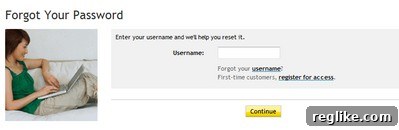
- Initiating the Password Reset: The process begins by clicking on the designated “reset your password” link, a standard procedure across most online platforms.
- Username Entry: The next step requires the user to enter their username. This is where the first vulnerability emerges. Usernames are often relatively easy to guess or discover, especially if the user employs a common naming convention or uses publicly available information. The emphasis is typically placed on strong passwords, leaving usernames vulnerable to exploitation.
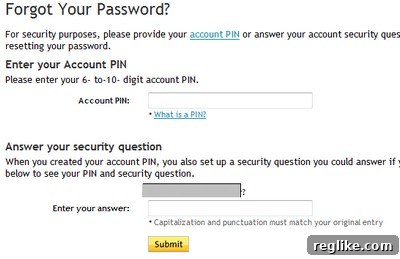
- Security Question or Account PIN: After entering the username, the system prompts the user to either provide their account PIN or answer a security question. This is where the most significant security risk lies. Many security questions, such as “What is your mother’s maiden name?” or “What city were you born in?” are based on information that is often easily accessible through online searches, social media profiles, or even public records. An attacker armed with this information could effortlessly bypass this security measure.
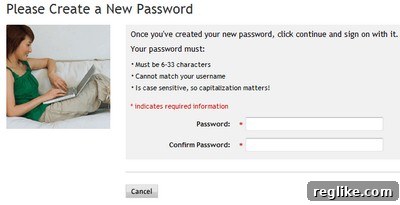
- Bypassing Email Confirmation: The most alarming aspect of this process is the absence of email confirmation. Instead of sending a verification link to the user’s registered email address, Sprint.com redirects the user to a Nextel.com web address, where they can immediately change their password and automatically log in. This complete bypass of email confirmation protocols is a critical security oversight.
The Lack of Notification: A Silent Security Breach
Adding to the concern, I received no email notification from Sprint after resetting my password through this process. This lack of notification leaves users completely unaware of unauthorized password changes, allowing attackers to maintain access to their accounts without detection. This absence of a basic security measure is bewildering.
Internet Security 101: The Importance of Multi-Factor Authentication
In the realm of internet security, multi-factor authentication (MFA) is considered a fundamental principle. MFA requires users to provide multiple verification factors, such as a password, a security code sent to their phone, or biometric identification, before granting access to their account. By implementing MFA, companies significantly reduce the risk of unauthorized access, even if an attacker manages to obtain a user’s password or answer their security question.
The Sprint.com password reset process completely ignores these established security best practices. By relying solely on easily compromised usernames and security questions, and by failing to implement email confirmation or MFA, Sprint.com leaves its users vulnerable to account hijacking and potential identity theft.
The Implications of a Compromised Account
The consequences of a compromised Sprint.com account can be far-reaching. An attacker could potentially access sensitive personal information, including billing addresses, phone numbers, and call history. They could also use the account to make unauthorized purchases, activate new phone lines, or even port the user’s phone number to a different carrier, resulting in significant financial losses and disruption of service.
Furthermore, a compromised Sprint.com account could be used to launch phishing attacks against the user’s contacts, spreading malware and compromising even more individuals. The potential damage extends far beyond the immediate account holder.
Recommendations for Strengthening Security
To mitigate these risks, Sprint.com should immediately implement the following security enhancements:
- Implement Multi-Factor Authentication (MFA): MFA should be mandatory for all Sprint.com accounts. This would provide an additional layer of security, making it significantly more difficult for attackers to gain unauthorized access.
- Strengthen Security Questions: Replace easily guessable security questions with more robust alternatives that require users to provide information that is less likely to be publicly available. Consider incorporating challenge questions that require users to perform a specific task, such as identifying a recent transaction or answering a question about their account history.
- Require Email Confirmation for Password Changes: Implement a mandatory email confirmation step for all password reset requests. This would ensure that only the legitimate account holder can change the password.
- Monitor for Suspicious Activity: Implement systems to detect and flag suspicious account activity, such as multiple failed login attempts or password changes from unusual locations.
- Educate Users about Security Best Practices: Provide users with clear and concise information about security best practices, such as choosing strong passwords, protecting their personal information, and being wary of phishing attacks.
Protecting Yourself: Steps You Can Take Now
While we wait for Sprint to address these security vulnerabilities, there are steps you can take to protect your own Sprint.com account:
- Choose a Strong Password: Use a strong, unique password that is at least 12 characters long and includes a mix of uppercase and lowercase letters, numbers, and symbols.
- Avoid Using Easily Guessed Security Questions: Select security questions that are difficult for others to guess, and provide answers that are not publicly available. Consider using a password manager to store your security question answers securely.
- Monitor Your Account Activity Regularly: Check your Sprint.com account activity regularly for any signs of unauthorized access, such as unfamiliar charges or changes to your account settings.
- Be Wary of Phishing Attacks: Be cautious of suspicious emails or text messages that ask you to provide your Sprint.com username or password. Never click on links in suspicious emails or text messages.
- Consider Contacting Sprint Customer Service: Express your concerns about the security vulnerabilities discussed in this article and urge them to implement the recommended security enhancements.
Conclusion: A Call for Enhanced Security
The security vulnerabilities identified in the Sprint.com password reset process are deeply concerning. By failing to implement basic security measures, such as email confirmation and multi-factor authentication, Sprint.com puts its users at risk of account hijacking and potential identity theft. It is imperative that Sprint.com takes immediate action to address these vulnerabilities and implement the recommended security enhancements. In the meantime, users should take steps to protect their own accounts by choosing strong passwords, avoiding easily guessed security questions, and monitoring their account activity regularly. The security of our personal information is paramount, and companies like Sprint.com have a responsibility to prioritize security and protect their users from harm.