
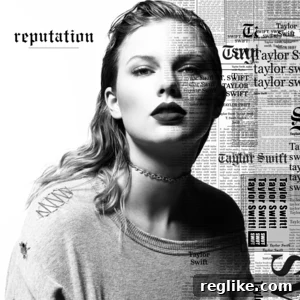
Taylor Swift Takes Legal Action Against Unauthorized Merchandise Websites
Taylor Swift, a global music icon, is known for her catchy tunes, heartfelt lyrics, and fiercely protected brand. In a recent development, Taylor Swift’s intellectual property management company, TAS Rights Management, LLC, has initiated legal proceedings to combat the unauthorized use of her name and likeness. The company has filed multiple cybersquatting cases with the World Intellectual Property Organization (WIPO) in an effort to seize control of domain names that allegedly infringe upon her intellectual property rights. This move highlights the ongoing battle between artists and those who seek to profit from their hard-earned fame through the sale of counterfeit or unauthorized merchandise.
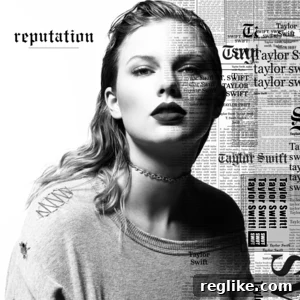
The core issue revolves around domain names that incorporate keywords associated with Taylor Swift and her merchandise. TAS Rights Management argues that these domain names are intentionally misleading consumers into believing they are purchasing official Taylor Swift products, when in reality, they are often purchasing inferior or counterfeit goods. This practice, known as cybersquatting, not only harms consumers but also dilutes the value of Taylor Swift’s brand and reputation.
The Cybersquatting Cases: A Detailed Examination
One of the cases brought before WIPO has already reached a decision. The panel ruled in favor of TAS Rights Management, ordering the transfer of the domain name “taylorswift-merch.shop” to Swift’s holding company. The domain name was previously registered by an individual in Pakistan who had used it to mirror the official TaylorSwift.com website. While the domain no longer resolves to a functioning website, the intent to deceive consumers was evident, leading to the favorable ruling for Taylor Swift’s team.
The other case involves three additional domain names: “taylormerch.com,” “taylorswiftmerchshop.com,” and “taylorswiftsmerch.com.” As of now, these domain names do not direct to active websites. However, prior to the legal action, they reportedly hosted a website that sold jewelry, further suggesting an intent to profit from Taylor Swift’s brand recognition. This case is still pending a decision from WIPO.
Understanding Cybersquatting and the UDRP
Cybersquatting, also known as domain squatting, is the practice of registering, trafficking in, or using an Internet domain name with bad faith intent to profit from the goodwill of a trademark belonging to someone else. The Uniform Domain Name Dispute Resolution Policy (UDRP) is a mechanism established by the Internet Corporation for Assigned Names and Numbers (ICANN) to resolve disputes regarding domain name registration. It provides a relatively quick and cost-effective way for trademark holders to challenge the registration of domain names that infringe upon their trademarks.
To succeed in a UDRP case, a trademark holder must demonstrate that:
- The domain name is identical or confusingly similar to a trademark or service mark in which the complainant has rights.
- The respondent has no rights or legitimate interests in respect of the domain name.
- The domain name has been registered and is being used in bad faith.
If the trademark holder successfully proves these three elements, the UDRP panel can order the transfer or cancellation of the domain name.
Taylor Swift’s History with Domain Name Management
While this is the first instance of Taylor Swift’s entities utilizing the UDRP to actively pursue domain names, it’s not the first time her team has engaged in domain name management. They have previously registered domain names defensively, a common practice among celebrities and businesses to prevent others from registering domain names that could potentially harm their brand. Some of these defensively registered domain names have been quite unconventional, demonstrating a proactive approach to protecting her online presence.
The Importance of Brand Protection in the Digital Age
Taylor Swift’s actions underscore the critical importance of brand protection in the digital age. With the proliferation of online commerce and the ease with which individuals can create websites, it has become increasingly challenging for businesses and individuals to protect their intellectual property rights. Cybersquatting and the sale of unauthorized merchandise can significantly damage a brand’s reputation and erode consumer trust. Therefore, it is essential for businesses and individuals to take proactive steps to monitor and enforce their intellectual property rights online.
These steps may include:
- Registering trademarks and service marks.
- Monitoring the internet for infringing domain names and websites.
- Sending cease and desist letters to infringers.
- Filing UDRP complaints to recover infringing domain names.
- Pursuing legal action against infringers in court.
By taking these steps, businesses and individuals can effectively protect their brands and prevent others from profiting from their hard work and reputation.
The Broader Implications for Artists and Intellectual Property
Taylor Swift’s fight against cybersquatting highlights a larger trend in the music industry and beyond. Artists and creators are increasingly vigilant about protecting their intellectual property rights in the digital age. The internet has made it easier than ever to share and distribute content, but it has also made it easier for individuals to infringe upon the rights of others. As a result, artists and their legal teams are constantly working to identify and address instances of copyright infringement, trademark infringement, and other forms of intellectual property theft.
This ongoing battle between creators and infringers is likely to continue as technology evolves. However, by staying informed about the latest legal developments and taking proactive steps to protect their intellectual property, artists and creators can safeguard their brands and ensure that they are fairly compensated for their work.
Conclusion: A Victory for Brand Integrity
Taylor Swift’s successful pursuit of the “taylorswift-merch.shop” domain name through the UDRP process is a significant victory for brand integrity. It sends a clear message to cybersquatters and those who seek to profit from unauthorized merchandise that their actions will not be tolerated. As the case involving the other three domain names progresses, it is anticipated that a similar outcome will be reached, further solidifying Taylor Swift’s commitment to protecting her brand and intellectual property rights. This case serves as a valuable lesson for other artists and businesses facing similar challenges in the digital landscape, emphasizing the importance of proactive brand protection and the effective use of legal mechanisms like the UDRP.