
Tile Sues TrackR Over Domain Typosquatting and Alleged Infringements
Tile, the well-known creator of tracking tags designed to help users locate their belongings, has initiated legal action against its competitor, TrackR. The lawsuit alleges that TrackR engaged in domain typosquatting, among other alleged infringements.
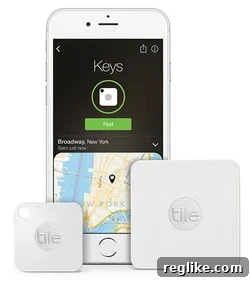
According to the official lawsuit document (PDF), filed in the U.S. District Court for the Northern District of California, Tile had previously issued multiple warnings to TrackR regarding various alleged transgressions. These transgressions, according to Tile, include attempts by TrackR’s CEO to manipulate social media discussions without proper disclosure of his position as CEO of a direct competitor, as well as the unauthorized use of Tile’s copyrighted images in TrackR’s advertising campaigns.
In addition to the domain name dispute, Tile also contests TrackR’s claims of producing the “thinnest” tracking tag, asserting that Tile offers a thinner design of its own. This claim further contributes to the complex web of allegations outlined in the lawsuit, highlighting the fierce competition within the tracking device market.
The primary catalyst for the lawsuit appears to be the registration of the domain name “ThTileApp.com” by TrackR’s CEO. Tile alleges that this domain name, a clear misspelling of Tile’s official website, “TheTileApp.com,” was intentionally created to divert traffic and promote TrackR’s products. The subtle omission of the letter “e” in “The” is at the heart of the typosquatting claim.
To clarify, Tile’s official web address is indeed TheTileApp.com. Notably, the company does not own the seemingly obvious domain name TileAPP.com, further emphasizing the importance of protecting their specific brand name and online presence.
Public records for the disputed domain name, ThTileApp.com, confirm that TrackR CEO Chris Herbert is listed as the registrant. Furthermore, accessing the domain with the “www” prefix redirects users to a TrackR website, seemingly confirming Tile’s claim that the misspelled domain is being used to promote TrackR’s products and services.
As a result of these alleged infringements, Tile is seeking compensation for damages and demanding the transfer of the ThTileApp.com domain name to its ownership. The lawsuit aims to protect Tile’s brand reputation, prevent further customer confusion, and ensure fair competition within the tracking device market.
Understanding the Core Issues: Domain Typosquatting and Trademark Protection
The heart of this legal battle lies in the concept of domain typosquatting, a practice where someone registers domain names that are intentional misspellings of popular websites. The goal is often to capitalize on user errors – when someone mistypes a URL, they might inadvertently land on the typosquatted domain, which can then be used for advertising, phishing, or, as Tile alleges, promoting a competing product.
Protecting a brand’s online presence is crucial in today’s digital landscape. Companies invest significant resources in building brand recognition and driving traffic to their websites. Typosquatting can undermine these efforts by diverting potential customers to competing or even malicious websites.
Trademark law plays a vital role in safeguarding brand identities. A trademark is a symbol, design, or phrase legally registered to represent a company or product. Trademark owners have the right to prevent others from using similar marks that could cause confusion among consumers. In this case, Tile argues that TrackR’s actions, including the domain typosquatting, infringe upon Tile’s trademark and create unfair competition.
The Broader Implications for the Tracking Device Market
The lawsuit between Tile and TrackR reflects the increasing competition within the tracking device market. As technology evolves and more affordable tracking solutions become available, companies are vying for market share and customer loyalty. This competition can sometimes lead to aggressive marketing tactics and, as alleged in this case, potentially unlawful practices.
The outcome of this lawsuit could have significant implications for the entire industry. A ruling in favor of Tile could set a precedent for stricter enforcement of trademark law in the digital realm and deter other companies from engaging in similar typosquatting practices. Conversely, a ruling against Tile could weaken trademark protections and embolden competitors to adopt more aggressive marketing strategies.
Consumers also have a stake in this legal battle. Fair competition ensures that companies are incentivized to innovate and offer the best possible products and services at competitive prices. Unfair competition, on the other hand, can stifle innovation and lead to consumer exploitation.
Looking Ahead: The Future of Tile vs. TrackR
The lawsuit between Tile and TrackR is likely to be a protracted legal battle, with both sides presenting evidence and arguments to support their respective positions. The court will need to consider a variety of factors, including the intent behind the domain registration, the likelihood of consumer confusion, and the extent of any damages suffered by Tile.
Regardless of the outcome, this case serves as a reminder of the importance of protecting intellectual property and ensuring fair competition in the marketplace. Companies must be vigilant in monitoring their online presence and taking appropriate action to prevent trademark infringement and other unlawful practices.
The resolution of this legal dispute will undoubtedly be closely watched by the tracking device industry and the broader business community. It will provide valuable insights into the legal boundaries of online marketing and the importance of respecting intellectual property rights.
As the case progresses, further details and developments will likely emerge, shedding more light on the specific allegations and the legal arguments presented by both sides. Stay tuned for updates as this story unfolds.
Conclusion: A Fight for Brand Protection in the Digital Age
The lawsuit filed by Tile against TrackR highlights the ongoing challenges businesses face in protecting their brand identity and intellectual property in the digital age. Domain typosquatting, copyright infringement, and deceptive marketing practices are just some of the threats that companies must contend with in today’s online environment.
The case underscores the importance of proactive measures, such as registering relevant domain names, monitoring online activity for potential trademark infringement, and enforcing intellectual property rights when necessary. By taking these steps, companies can mitigate the risks of brand damage and unfair competition.
The outcome of this legal battle will have far-reaching implications for the tracking device industry and the broader business community. It will serve as a precedent for future cases involving domain typosquatting and trademark infringement, and it will help to define the legal boundaries of online marketing and competition. As such, the case between Tile and TrackR is a crucial one to follow for anyone interested in protecting their brand in the digital age.