
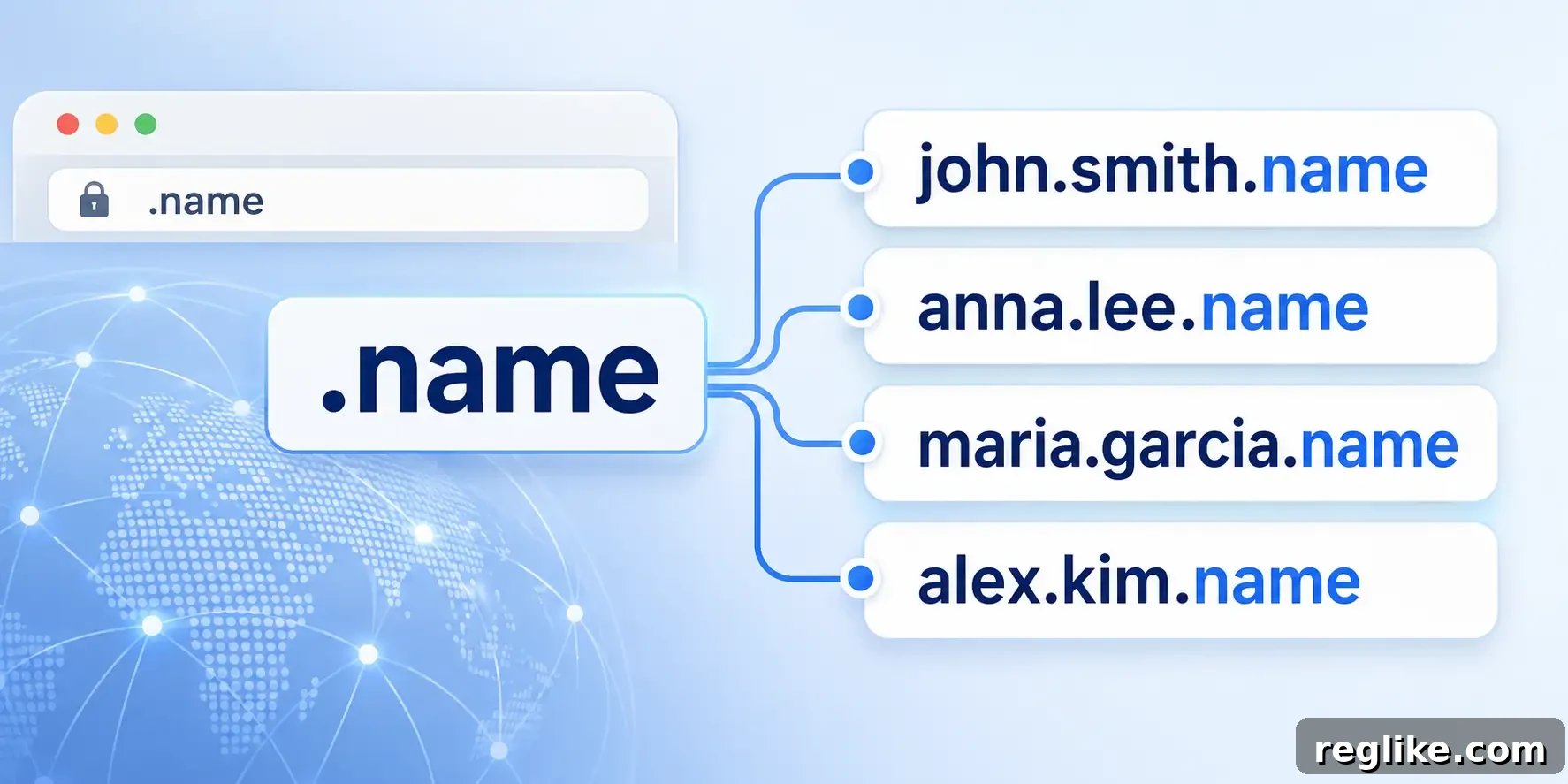
Verisign Ends Third-Level .name Registrations, Users Face Domain and Email Loss
Verisign is discontinuing third-level .name domain registrations, a move that will cause some registrants to lose long-used addresses and websites.
Verisign (NASDAQ: VRSN), the registry operator that runs the .name top-level domain, has informed the Internet Corporation for Assigned Names and Numbers (ICANN) that it will discontinue third-level registrations beneath .name. According to Verisign’s filings with ICANN, about 22,000 third-level .name registrations are currently active. The company also indicated that a significant portion of these registrations appear to be unused, but a meaningful number represent active personal websites, email addresses, and services.
ICANN evaluated Verisign’s request under its Registry Services Evaluation Policy earlier this year and approved the termination plan. One registrant submitted a reconsideration request regarding the decision, and that request is reportedly on track to be denied. The documents related to the approval and reconsideration were submitted to ICANN as part of the formal evaluation process.
While the overall count of 22,000 registrations may suggest a limited scale compared with larger domain zones, the human impact for affected registrants can be substantial. Many of these third-level domains have been in continuous use for years or even decades, serving as personal homepages, contact addresses and infrastructure endpoints for devices and services.
One prominent example comes from Neil Fraser, who wrote about his experience on a personal page hosted on a third-level .name domain. Fraser registered neil.fraser.name nearly 25 years ago. He uses that domain not only for a personal website but also for his email address and as the hostname for an API server. His registrar has notified him that the registration will be terminated in February, even though he has prepaid registration fees through 2040. When the termination occurs, he will lose control of the domain and the associated email address, and the API services tied to that hostname will stop functioning.
Beyond immediately losing email and web services, registrants like Fraser face additional risks. If the second-level domain (for example, fraser.name) becomes available for re-registration after termination, a third party could register it and potentially hijack accounts that still reference the old email address. That risk matters because it is virtually impossible to identify every online and offline account that a decades-old email address has been used to create. Password resets, account recovery flows, administrative contacts and legacy services could all be affected.
The practical consequences include disruption of personal correspondence, loss of access to legacy accounts, breakdowns in automated systems tied to the hostname, and the administrative burden of notifying contacts and updating accounts. For people and organizations that have relied on a stable personal email address for many years, losing it can be a serious hardship.
Verisign’s rationale for ending third-level registrations, as conveyed in its ICANN filings, centers on registry policy and operational considerations for the .name zone. ICANN’s approval means the registry will proceed with termination under the terms and timelines specified in its request. Individual registrars are responsible for communicating changes to their customers, but registrants should proactively prepare for the transition.
If you or someone you support uses a third-level .name domain, consider taking these steps now:
- Verify whether your domain is listed as a third-level .name registration and confirm your registrar’s timeline for termination.
- Export contacts and account lists tied to the affected email address so you can update recovery and notification settings elsewhere.
- Plan and register an alternative domain or email address under a different zone to migrate services, mail forwarding, and website content.
- Set up automated forwarding or an alias where possible to capture incoming messages during the transition period.
- Update critical account recovery options—phone numbers, alternative email addresses, and authentication apps—before the domain is terminated.
The number of people directly affected by the change may be limited relative to the broader internet population, but for those with longstanding third-level .name domains the impact will be very real. Losing a stable, long-used email address or hostname can disrupt personal and technical systems built up over many years. Registrants should act now to safeguard access and minimize the potential fallout from the planned termination.