
Afternic .fi Domain Sale Failure: A Frustrating Experience
Recently, I encountered a significant hurdle while attempting to sell a .fi domain name through Afternic. What initially appeared to be a successful negotiated sale ultimately fell apart due to Afternic’s inability to process transactions involving .fi domains. This experience highlights the importance of understanding the limitations of various domain marketplaces and choosing the right platform for your specific domain extensions.
I own a small portfolio of approximately five .fi domains, acquired through hand-registration a couple of years ago. I was particularly pleased when a potential buyer emerged for one of these domains, initiating negotiations through the Afternic lander. My Afternic settings were configured for self-brokerage, granting me the autonomy to communicate directly with the buyer and negotiate the sale terms.
Following a period of negotiation, the buyer and I reached a mutually agreeable price. However, the transaction process encountered an immediate roadblock when the buyer attempted to complete the purchase. This is where the entire deal began to unravel, ultimately leading to a frustrating and unsuccessful outcome.
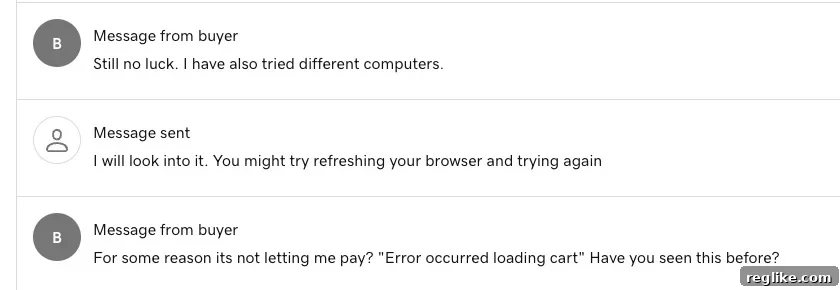
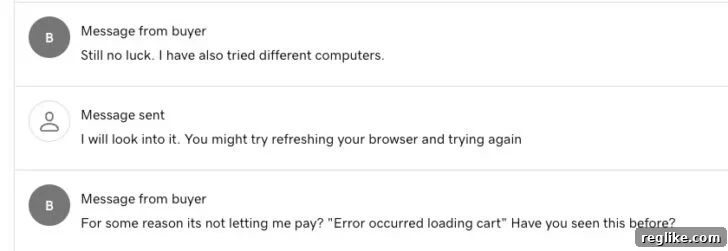
The buyer repeatedly encountered errors when attempting to submit payment through Afternic. The system simply would not process the transaction.
Upon contacting Afternic support, I discovered the underlying cause of the issue. Apparently, GoDaddy, the parent company of Afternic, does not natively support .fi domains. Consequently, any attempt to purchase a .fi domain through the Afternic platform will invariably result in payment failures. This limitation represents a significant oversight in Afternic’s platform capabilities and can lead to lost sales opportunities for domain owners specializing in unsupported extensions.
The Afternic representative suggested a convoluted workaround to circumvent the payment processing limitation. The proposed solution involved manually adjusting the domain price to reflect the negotiated amount and then directing the buyer to complete the purchase through Afternic’s DLS (Domain Listing Service) partner, 101Domain. While seemingly a viable solution on paper, the implementation proved to be significantly more challenging.
I attempted to relay these instructions to the buyer through Afternic’s self-brokerage commenting system. However, the system inexplicably blocked my message, preventing me from communicating the necessary steps to complete the purchase. This communication barrier further complicated the situation and hindered any progress toward salvaging the deal.
Despite multiple attempts by an Afternic representative to contact the buyer and guide them through the alternative purchase process, their efforts were unsuccessful. The buyer likely lost interest or found an alternative solution, resulting in the loss of the sale.
This experience underscores the critical importance of ensuring a seamless and frictionless payment process when selling domains. In the domain industry, timing is often crucial. Buyers are susceptible to changing their minds, and any obstacles encountered during the purchase process can easily derail the transaction. A broken or unreliable payment system introduces unnecessary friction and significantly increases the risk of losing potential sales.
The failure of this .fi domain sale can be directly attributed to the error in Afternic’s shopping cart. Had the payment system functioned correctly and supported .fi domain transactions, the sale would have undoubtedly been successful. This incident highlights a fundamental flaw in Afternic’s platform and raises concerns about the platform’s suitability for handling domains with less common extensions.
In my opinion, Afternic should prioritize addressing this issue and ensuring that its shopping cart is capable of processing transactions for all domain extensions listed on the platform. The existence of a known error that consistently prevents users from purchasing certain domain types is simply unacceptable and reflects poorly on the platform’s reliability and professionalism.
Despite this negative experience, I recognize the potential value of listing .fi domains on Afternic to leverage its extensive distribution network. Afternic’s reach and visibility can expose domains to a wider audience of potential buyers, increasing the likelihood of a successful sale. However, in light of this recent incident, I will reconsider directing my .fi domains to Afternic’s landing pages. The risk of encountering payment processing errors and losing potential sales outweighs the benefits of increased exposure.
Moving forward, I plan to explore alternative platforms for listing and selling my .fi domains. Atom (formerly BrandBucket) and Sedo are two reputable domain marketplaces that offer support for a wide range of domain extensions and provide reliable payment processing systems. By shifting my focus to these platforms, I hope to avoid similar issues in the future and ensure a smoother and more successful domain selling experience.
This experience serves as a valuable lesson for domain investors and sellers. It is essential to thoroughly research and understand the capabilities and limitations of different domain marketplaces before listing your domains. Choosing the right platform can significantly impact your success in selling domains and avoiding unnecessary frustrations.
Furthermore, it highlights the importance of advocating for improvements and holding domain marketplaces accountable for providing reliable and functional platforms. By sharing our experiences and demanding better service, we can contribute to creating a more efficient and user-friendly domain industry.
In conclusion, while Afternic offers certain advantages for domain sellers, its inability to process .fi domain transactions ultimately led to a frustrating and unsuccessful experience. Domain owners dealing with less common extensions should carefully consider the limitations of the platform and explore alternative marketplaces that offer more comprehensive support and reliable payment processing.
The world of domain names is vast and complex, and navigating the various marketplaces can be challenging. However, by staying informed, conducting thorough research, and sharing our experiences, we can all contribute to a more efficient and transparent domain industry.
Hopefully, Afternic will address this issue promptly and improve its platform to accommodate all domain extensions, preventing similar incidents from occurring in the future. Until then, I will proceed with caution and explore alternative options for selling my .fi domains.
This entire ordeal underscores the dynamic nature of the domain market and the constant need for adaptation and vigilance. As domain investors and sellers, we must remain proactive, adaptable, and willing to explore new avenues to maximize our success in this ever-evolving industry.
Finally, this incident reinforces the importance of direct communication with potential buyers. While Afternic’s self-brokerage option is valuable, the communication barriers encountered during this sale highlight the need for alternative channels to ensure seamless interaction and address any issues that may arise during the transaction process. Open and transparent communication is key to building trust and fostering successful domain sales.