
Is Apple Poised to Revolutionize Its Digital Landscape with New .apple Sites?
Apple’s Strategic Expansion: Unlocking the Power of .apple Domains for a Unified Digital Future
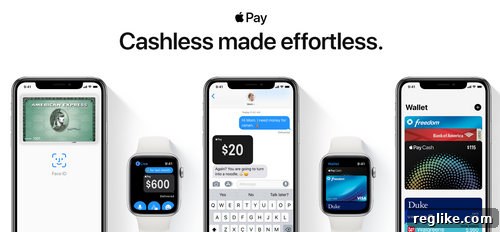
In a significant move that underscores its commitment to a streamlined and proprietary digital presence, technology giant Apple has recently registered three new domain names under its exclusive .apple top-level domain (TLD). The addition of Wallet.apple, AppleCash.apple, and ApplePay.apple to its growing portfolio of .apple domains signals a potential shift in how the company structures and presents its online services, promising enhanced branding, security, and user experience.
This strategic expansion indicates that Apple is not just experimenting with its brand-specific TLD but is actively integrating it into its core digital infrastructure. The move suggests an imminent rollout of new websites or specialized online experiences designed to leverage the distinctiveness and trustworthiness inherently associated with the .apple domain.
The Latest Additions: Wallet.apple, AppleCash.apple, and ApplePay.apple
The registration of Wallet.apple, AppleCash.apple, and ApplePay.apple this week is particularly noteworthy. These domains correspond directly to some of Apple’s most critical financial and identity management services. By establishing dedicated .apple URLs for these services, Apple is likely aiming to:
- Strengthen Brand Identity: Create an unmistakable and unified brand presence for these vital services, eliminating any potential confusion with third-party sites.
- Enhance Security and Trust: Offer users a clear, unambiguous indicator that they are interacting directly with official Apple services, thereby reducing phishing risks and bolstering confidence in financial transactions.
- Streamline User Experience: Potentially provide direct, simplified access points for managing digital wallets, peer-to-peer payments, and contactless transactions.
- Future-Proofing: Lay the groundwork for new features, regional variations, or dedicated support portals associated with these growing services.
These new registrations bring the total number of domains in Apple’s .apple zone file to 16. Domains are typically added to this file when they are officially registered and assigned nameservers, making them active and resolvable on the internet. This methodical expansion highlights a long-term vision for the .apple TLD.
A Comprehensive Look at Apple’s Growing .apple Domain Portfolio
With the recent additions, Apple’s .apple TLD now hosts a robust collection of domains, each poised to play a crucial role in the company’s evolving digital strategy. The current roster includes:
- applebooks.apple
- applecard.apple
- applecash.apple
- applemusic.apple
- applenews.apple
- applenewsplus.apple
- applepay.apple
- applepodcasts.apple
- appletv.apple
- appletvplus.apple
- edge.apple
- experience.apple
- newsroom.apple
- nic.apple
- share.apple
- wallet.apple
Strategic Implications of Existing .apple Domains
The diversity of these domains offers a clear glimpse into Apple’s overarching strategy. Many are direct representations of its flagship services:
- Content & Entertainment: applebooks.apple, applemusic.apple, applenews.apple, applenewsplus.apple, applepodcasts.apple, appletv.apple, appletvplus.apple. These could serve as dedicated portals for their respective services, potentially offering exclusive content, deeper dives, or direct access to subscription management.
- Financial Services: applecard.apple, applecash.apple, applepay.apple, wallet.apple. As discussed, these are crucial for security, branding, and user trust in Apple’s burgeoning financial ecosystem.
- Corporate & Experiential: newsroom.apple, experience.apple, share.apple. These domains likely cater to corporate communications, brand engagement initiatives, and collaborative features. “Newsroom.apple” is a natural fit for official announcements, while “experience.apple” suggests immersive brand showcases. “Share.apple” could be an internal or external platform for content sharing, similar to existing Apple sharing features.
- Technical & Infrastructure: edge.apple, nic.apple. “nic.apple” likely refers to the Network Information Center for the .apple TLD itself, an administrative necessity. “edge.apple” could point to edge computing initiatives, content delivery networks (CDNs), or other infrastructure-related projects.
Interestingly, all of these domains, with the sole exception of Experience.apple, currently utilize apple.com nameservers. This indicates that Apple is managing the hosting and DNS resolution for the vast majority of its .apple domains directly. Experience.apple, however, is routed through Amazon AWS nameservers and currently forwards to Apple.com. This deviation suggests that “Experience.apple” might be a site requiring external scalability or a platform developed with third-party cloud infrastructure, possibly for high-traffic events or unique interactive content that needs robust, flexible hosting solutions.
Why a Brand-Specific Top-Level Domain Matters
The decision by Apple to invest heavily in its .apple TLD is a powerful statement in the digital landscape. While most companies rely on traditional .com addresses, a select few global brands have acquired and developed their own TLDs. This strategy offers multiple compelling advantages:
1. Unparalleled Brand Control and Identity
A .apple domain immediately and unequivocally identifies the source of the content as Apple. In an era rife with misinformation, phishing attempts, and domain squatting, having a proprietary TLD provides an unmatched level of brand authority and authenticity. It eliminates ambiguity and reinforces Apple’s singular identity across its entire digital footprint.
2. Enhanced Security and Trust for Users
For users, navigating to a site ending in .apple offers an implicit guarantee of authenticity. This is particularly crucial for sensitive services like banking, payments, and personal data management. Users can be confident that Wallet.apple or ApplePay.apple are official, secure platforms directly operated by Apple, significantly mitigating the risk of falling victim to fraudulent websites.
3. Simplified and Intuitive User Experience
Shorter, more memorable, and contextually relevant URLs can greatly enhance user experience. Instead of remembering a long apple.com subdomain, users can directly access services like AppleMusic.apple or AppleTV.apple. This streamlined approach aligns perfectly with Apple’s design philosophy of simplicity and intuitive interaction.
4. Strategic Advantage in SEO and Digital Marketing
While the direct SEO impact of a brand TLD is still evolving, there are clear indirect benefits. A highly authoritative domain like .apple can signal strong brand relevance to search engines. Furthermore, the distinctiveness of .apple URLs makes them more memorable in marketing campaigns, potentially increasing direct traffic and reducing reliance on search engine referrals for brand-specific queries. As Google and other search engines continue to refine their algorithms, factors like brand authority and unique domain identity are likely to gain increasing weight.
5. Future-Proofing and Innovation Platform
Owning a TLD provides Apple with an infinite canvas for future innovation. It can launch new services, create temporary promotional sites, or experiment with novel digital experiences without needing to secure specific .com domains or rely on subdomains. This flexibility allows for rapid deployment and testing, ensuring Apple can adapt quickly to market demands and technological advancements.
The Road Ahead: What This Means for Apple’s Digital Future
The methodical expansion of Apple’s .apple domain portfolio is more than just a technical formality; it represents a foundational shift in how the company envisions its digital presence. We can anticipate several exciting developments:
- Dedicated Service Hubs: Expect services like Apple Music, Apple TV+, and Apple Pay to eventually have fully fledged, dedicated websites under their respective .apple domains, offering a more focused and perhaps feature-rich experience than their current sections on Apple.com.
- Event-Specific Microsites: Major Apple events like WWDC or product launches could utilize specific .apple domains (e.g., WWDC.apple) for live streams, schedules, and developer resources, creating a distinct digital footprint for each event.
- Enhanced Regionalization: While not yet visible, the .apple TLD could facilitate easier regionalization of services, allowing Apple to create country-specific experiences if needed.
- Exclusive Content and Experiences: The unique nature of the .apple domain could be leveraged for exclusive content, member-only portals, or premium digital experiences for Apple device owners.
- Reinforced Ecosystem: By bringing more services under the .apple umbrella, Apple further solidifies its integrated ecosystem, making it even more cohesive and distinct from its competitors.
The investment in and expansion of its .apple domain strategy positions Apple at the forefront of digital brand management. It’s a clear signal that the company is taking an aggressive, proactive stance in controlling its online identity, ensuring security, and delivering an unparalleled user experience in an increasingly complex digital world. As more of these domains become active and host unique content, we will witness the full realization of Apple’s vision for a truly proprietary and integrated digital ecosystem.