
Stop the Spam: How to Secure Your DropCatch Domains with Default WHOIS Privacy on NameBright
For domain investors and digital entrepreneurs, the thrill of securing a valuable expired domain through platforms like DropCatch is often quickly followed by a less welcome experience: an onslaught of unwanted emails and phone calls. These unsolicited communications, ranging from aggressive telemarketing pitches for web design to offers for app development, SEO services, and more, can be a significant nuisance. The root cause? The public exposure of your personal contact information through the WHOIS database, particularly when your newly acquired domains are parked with registrars like NameBright, which doesn’t enable privacy protection by default.
Fortunately, you don’t have to tolerate this constant barrage. There’s a straightforward and highly effective solution that allows you to automatically apply WHOIS privacy to all future domains you win through DropCatch, ensuring your personal details remain confidential from day one. This comprehensive guide will walk you through the essential steps to enable default WHOIS privacy on NameBright, transforming your domain acquisition process into a much smoother, more secure, and spam-free experience. We’ll also delve deeper into the importance of WHOIS privacy, its benefits, and crucial considerations for savvy domain investors.
Understanding the Unwanted Attention: The Problem with Public WHOIS Data
Before diving into the solution, it’s vital to grasp why you’re receiving all this unsolicited contact. When you register a domain name, whether it’s a brand-new registration or an expired domain caught through a service like DropCatch, your personal information (name, address, email, phone number) is typically collected and stored in a public database called WHOIS. This database serves a legitimate purpose: to ensure accountability and provide a contact point for domain issues, intellectual property disputes, or technical problems. However, its public nature also makes it a goldmine for spammers, telemarketers, and data harvesters.
How Spammers Harvest Your Information
Automated bots and scripts continuously crawl the WHOIS database, scraping newly registered domain information. Since domains acquired through DropCatch often appear as fresh registrations to these systems, they are immediately flagged as potential leads for services related to website development, hosting, and marketing. Within hours or days of a successful DropCatch acquisition, your inbox and phone can be flooded with pitches, often from aggressive sales teams looking to capitalize on your new digital asset.
The Impact on Domain Investors
For active domain investors, this constant stream of interruptions isn’t just annoying; it’s a drain on time and resources. Sifting through irrelevant solicitations detracts from focusing on genuinely valuable opportunities, managing your portfolio, or engaging with legitimate buyers. Furthermore, the exposure of your personal contact details can pose privacy and security risks, making you a potential target for more malicious activities beyond simple spam.
The Essential Solution: Embracing WHOIS Privacy Protection
WHOIS privacy protection is your shield against unwanted solicitations and a crucial layer of security for your domain portfolio. When you enable WHOIS privacy, your personal contact information in the public WHOIS database is replaced with the details of a privacy service provider. This service acts as an intermediary, forwarding legitimate inquiries while blocking spam and telemarketing calls, effectively anonymizing your presence in the public record.
Key Benefits of WHOIS Privacy:
- Significantly Reduces Spam & Telemarketing: This is the most immediate and tangible benefit. By masking your contact details, you cut off the primary source for spammers and telemarketers, leading to a much quieter inbox and phone.
- Enhances Personal Security & Privacy: Protect your name, physical address, email, and phone number from public scrutiny. This is vital for safeguarding your identity and preventing unwanted attention from potentially malicious actors.
- Prevents Data Harvesting: Makes it exceedingly difficult for automated bots and individuals to collect your personal data for marketing lists or other purposes.
- Maintains a Professional Image: You avoid the perception of being easily accessible to anyone with an internet connection, which can contribute to a more professional and controlled online presence.
- Reduces Risk of Identity Theft: While not a direct prevention, reducing the amount of personal information publicly available lessens your exposure to various forms of identity-related cybercrime.
When to Consider WHOIS Privacy (and When Not To)
For most individual domain investors and small businesses, WHOIS privacy is an absolute must. However, there are specific scenarios where you might choose not to use it, or at least understand its implications. For large corporations or established brands that require clear, public contact information for legal or operational reasons, a privacy service that transparently forwards all legitimate inquiries might be preferred over full anonymization. Even then, many opt for privacy to control how and by whom their primary business contact details are accessed.
Step-by-Step Guide: Enabling Default WHOIS Privacy on NameBright for DropCatch Domains
The beauty of this solution lies in its ability to automatically apply privacy settings to all your future DropCatch wins that land in your NameBright account. This means a one-time setup protects you going forward, saving you the hassle of manually enabling privacy for each new domain.
Prerequisites:
- An active NameBright account.
- Existing DropCatch wins (or anticipation of future wins) that are managed by NameBright.
Step 1: Accessing Your Account Settings
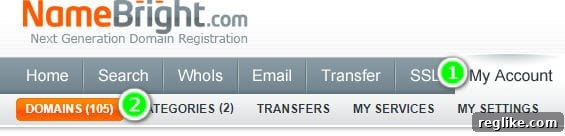
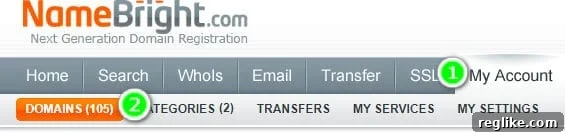
After successfully logging into your NameBright account, navigate to the main account management area. This is typically where you’ll find options for managing your domains, billing, and personal settings. Look for the “My Account” option, usually located in a prominent menu or dropdown. From there, select “Categories.” This “Categories” section is NameBright’s powerful feature for applying default settings to groups of domains, which is exactly what we need for our DropCatch acquisitions.
Step 2: Locating the DropCatch Category and Its Settings
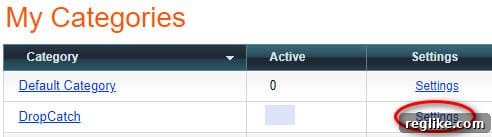
Once you’re in the “Categories” section, you’ll see a list of various domain categories associated with your account. Since DropCatch is a common source for acquiring domains, NameBright provides a dedicated category for it. Scan the list until you find “DropCatch” (or a similar designation for domains acquired through this platform). In the corresponding row for the “DropCatch” category, you will find a “Settings” link. Click on this link to access the specific configuration options for all domains falling under this category.
Step 3: Activating Privacy Protection and Saving Changes
Within the “DropCatch” category settings, scroll down until you locate the “Privacy Protection” box. This is where you will enable the default WHOIS privacy for all domains acquired through DropCatch. Simply click the checkbox or toggle to activate it. By doing this, any future domain you win via DropCatch and transfer to NameBright will automatically have WHOIS privacy enabled upon registration.
While you’re in this section, take a moment to explore other useful default settings you can configure for this category. For instance, you can automatically set up default nameservers for domains you win. This can be incredibly convenient if you consistently point your new acquisitions to specific parking pages, development servers, or a particular hosting provider. Don’t forget to save your changes after enabling privacy protection and any other desired settings!
Important Considerations Regarding NameBright’s WHOIS Privacy Service:
- Cost After the First Year: It’s crucial to note that while NameBright offers the first year of WHOIS privacy for free, subsequent years are typically billed at $2.95 per year per domain. This is an important factor to consider in your domain investment budgeting.
- Strategic Domain Transfers: Given the annual fee, many domain investors choose to transfer their domains to another registrar that offers free WHOIS privacy (such as Cloudflare, Porkbun, or Namecheap, depending on their plans) within the first free year. This strategy allows you to maintain privacy without incurring additional annual costs.
- Evaluate Your Needs: Weigh the annual cost against the benefit of continuous privacy. For high-value domains or those you intend to hold long-term, $2.95 might be a small price to pay for peace of mind. For large portfolios of speculative domains, transferring might be a more cost-effective approach.
Beyond Privacy: Essential Best Practices for Domain Investors
While enabling WHOIS privacy is a critical step, it’s just one component of a robust domain management strategy. For domain investors, especially those actively buying and selling, there are other considerations to ensure a smooth and profitable operation.
Making Contact Information Available for Potential Buyers
A common misconception is that WHOIS privacy completely isolates you from potential buyers. This is not the case, nor should it be the goal for an investor. If you intend to sell your domains, you need a way for interested parties to contact you. The solution is to ensure your domain points to a landing page (often called a “for sale” page or a “lander”) that clearly displays your desired contact capabilities. This could be an email address, a contact form, or a link to a marketplace listing. This approach separates your public-facing sales contact information from your private registration details, offering the best of both worlds.
Advanced Domain Management Strategies:
- Regular Portfolio Review: Periodically review your domain portfolio to assess value, decide which domains to renew, transfer, or let expire. This also provides an opportunity to ensure all settings, including privacy, are correctly configured.
- Registrar Diversification: Consider using multiple registrars based on their features, pricing, and included benefits (like free WHOIS privacy). This can also mitigate risks associated with having all your assets with a single provider.
- Strong Security Practices: Always implement two-factor authentication (2FA) on your registrar accounts. Use strong, unique passwords for each service. Domain accounts are prime targets for hackers, and their compromise can lead to significant financial loss.
- Leveraging Nameserver Settings: As briefly mentioned, utilize the default nameserver settings in NameBright’s categories to instantly direct your newly acquired domains to a relevant parking page or development server. This minimizes downtime and ensures a basic online presence immediately.
The Value of Proactive Domain Management
In the dynamic world of domain investing, proactive management is key to success. Taking the time to set up default WHOIS privacy for your DropCatch domains on NameBright, and understanding its implications, is a small effort with significant long-term benefits. It saves you from countless interruptions, enhances your personal security, and allows you to focus on the core aspects of building and monetizing your domain portfolio.
By implementing the steps outlined in this guide, you gain control over your digital privacy, ensuring that your valuable domain acquisitions remain a source of opportunity, not unwanted solicitations. Invest smart, manage proactively, and enjoy a much cleaner, more secure domain investing journey.