
The Catchy Tune That Sparked a Domain Name Victory: Baby Shark Wins Cybersquatting Battle
Few songs have achieved the global phenomenon status of “Baby Shark.” What started as a simple children’s ditty evolved into an internet sensation, captivating audiences worldwide and racking up an unprecedented number of views. This infectious melody, however, isn’t just a beloved earworm; it’s also at the center of a significant legal victory in the digital realm. The creators behind the viral hit have successfully reclaimed the domain name BabyShark.com, asserting their intellectual property rights against a cybersquatter.
The Unstoppable Rise of Baby Shark: A Cultural Phenomenon
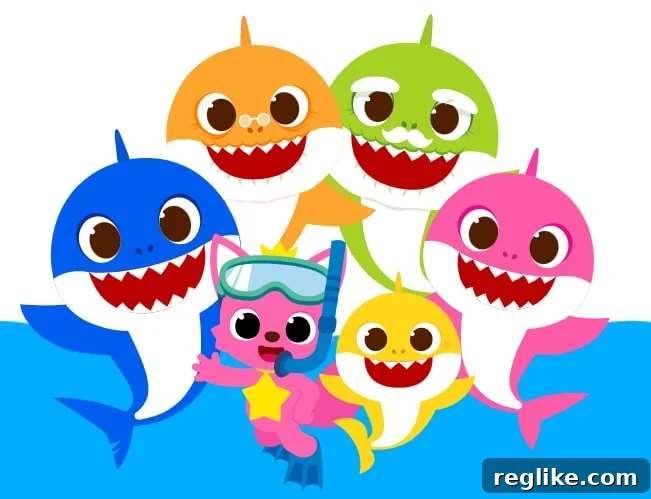
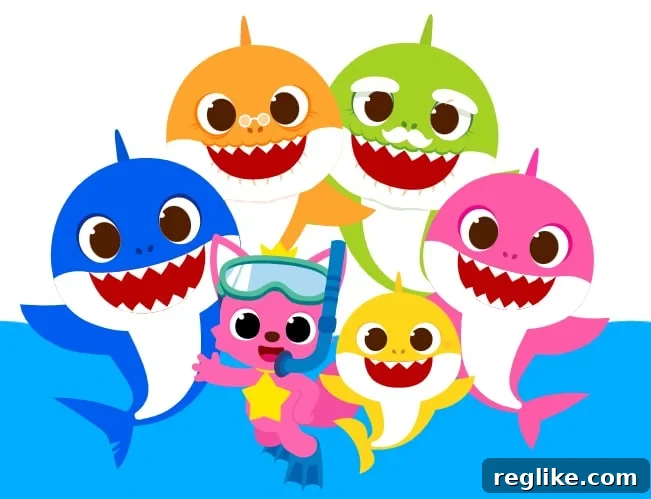
The story of Baby Shark is one of unexpected global dominance. Originating from Smart Study Co. and its educational entertainment brand Pinkfong, the song features a simple, repetitive tune and engaging animation centered around a family of sharks. It first gained traction in South Korea but quickly exploded onto the international stage, largely fueled by its viral spread on platforms like YouTube.
The numbers speak for themselves: the official “Baby Shark Dance” video has amassed nearly 10 billion views, making it one of the most-watched videos in YouTube’s history. This incredible viewership propelled the song to mainstream success, even reaching #32 on the prestigious Billboard Hot 100 chart in January 2019. Its catchy chorus and easy-to-follow dance moves made it a staple in playgrounds, classrooms, and homes across continents. The song’s influence even permeated popular culture, with characters like Jamie Tart from the hit series “Ted Lasso” famously singing his name to the tune of Baby Shark, further cementing its place in contemporary pop culture.
This immense popularity created a significant brand identity for “Baby Shark” and Pinkfong. With such widespread recognition, the associated intellectual property, including the name itself, became incredibly valuable. It was this value that became the focal point of a legal battle over a crucial piece of digital real estate: the domain name BabyShark.com.
Understanding Cybersquatting: The Digital Land Grab
At the heart of this dispute is the concept of cybersquatting. Cybersquatting refers to the act of registering, trafficking in, or using a domain name with the bad faith intent to profit from the goodwill of a trademark belonging to someone else. Essentially, it’s an attempt to capitalize on another entity’s established brand or reputation by registering a domain name that is identical or confusingly similar to their trademark.
The Uniform Domain-Name Dispute-Resolution Policy (UDRP), established by the Internet Corporation for Assigned Names and Numbers (ICANN), provides a streamlined and relatively inexpensive administrative procedure for resolving such disputes. Rather than engaging in lengthy and costly court battles, trademark holders can file a complaint with an approved UDRP service provider, such as the World Intellectual Property Organization (WIPO), which is precisely what Smart Study did in this instance.
To succeed in a UDRP case, a complainant typically needs to prove three elements:
- The domain name is identical or confusingly similar to a trademark in which the complainant has rights.
- The respondent (domain owner) has no rights or legitimate interests in respect of the domain name.
- The domain name has been registered and is being used in bad faith.
The Baby Shark case perfectly illustrates how these principles are applied in practice.
The BabyShark.com Domain Dispute: A Closer Look
Smart Study Co., recognizing the importance of protecting its global phenomenon, initiated a cybersquatting dispute with the World Intellectual Property Organization (WIPO) concerning the domain name BabyShark.com. The history of the domain itself is quite telling. It was once part of GoDaddy’s NameFind portfolio, a division known for holding valuable, unregistered domain names. However, the domain appears to have been acquired by an individual in late 2018, around the peak of the song’s viral explosion. This timing is critical, as it suggests the acquisition might have been motivated by the song’s burgeoning fame.
Following its acquisition, the domain owner reportedly sought a hefty sum for BabyShark.com—an asking price of $100,000. Such a demand often serves as strong evidence of bad faith, indicating an intent to profit from the brand recognition established by Smart Study and Pinkfong, rather than from any legitimate use of the domain name by the owner.
In administrative proceedings like those conducted under the UDRP, the respondent’s participation is crucial. In this case, the domain owner chose not to make a formal response to the dispute. This lack of engagement is frequently interpreted by UDRP panelists as an inability to demonstrate any legitimate rights or interests in the domain name, further bolstering the complainant’s case. Without a counter-argument, Smart Study’s claims regarding trademark infringement, lack of legitimate interest, and bad faith registration became significantly stronger.
The WIPO panelist, Warwick Rothnie, after reviewing the evidence presented, concluded that Smart Study Co. had successfully met all three elements required under the UDRP. Consequently, an order was issued for the domain name BabyShark.com to be transferred to Smart Study. This ruling marks a clear victory for the intellectual property holders, ensuring that the official online presence for one of the world’s most recognizable children’s brands remains in the hands of its creators.
Why Domain Names Are Critical for Brand Protection in the Digital Age
This case underscores the immense importance of domain names in today’s digital landscape. For any brand, from a global entertainment powerhouse like Pinkfong to a burgeoning startup, a domain name serves as its primary online identity. It’s the digital address where customers, fans, and partners expect to find information, products, or services.
A well-chosen domain name is crucial for several reasons:
- Brand Identity and Recognition: A domain name that mirrors a brand’s trademark reinforces its identity and makes it easy for consumers to find.
- Consumer Trust: Consumers trust official websites. A cybersquatted domain can confuse customers, leading them to unofficial or even malicious sites, thereby eroding trust in the legitimate brand.
- Preventing Dilution and Misappropriation: Allowing others to use a brand’s name, even for seemingly innocuous purposes, can dilute its distinctiveness and create a precedent for further unauthorized use.
- Protecting Revenue Streams: For brands like Baby Shark, online content, merchandise sales, and licensing agreements are significant revenue generators. A cybersquatted domain could potentially divert traffic and revenue away from official channels.
- Maintaining Control Over Messaging: An official domain ensures that the brand maintains full control over its messaging, marketing, and public perception.
The digital real estate associated with a successful brand can become incredibly valuable, making domain names prime targets for individuals seeking to profit unfairly. This case highlights that businesses must be vigilant in protecting their digital assets just as much as their physical ones.
Proactive Measures Against Cybersquatting for Brand Owners
The Baby Shark victory offers valuable lessons for all brand owners on how to safeguard their intellectual property in the online sphere. While the UDRP provides a powerful recourse, proactive measures are always the best defense.
Key strategies include:
- Comprehensive Trademark Registration: Registering trademarks in all relevant jurisdictions and for all pertinent goods and services is the foundational step. Strong trademark rights are essential for successful UDRP complaints.
- Defensive Domain Registration: Registering not just the primary `.com` domain, but also variations, common misspellings, and other top-level domains (TLDs) like `.net`, `.org`, `.info`, and country-code TLDs (ccTLDs) where the brand has a presence, can prevent squatters from snatching them up.
- Domain Monitoring Services: Utilizing services that monitor new domain registrations for names similar to your trademark can help detect potential cybersquatting early, allowing for swift action.
- Establishing a Clear Online Presence Early: For new brands, establishing an official website and social media presence early on can help demonstrate “rights and legitimate interests” in a domain if a dispute arises.
- Educating Stakeholders: Ensuring that legal, marketing, and IT departments understand the importance of domain name management and intellectual property protection can prevent oversight.
While these measures can mitigate risks, the UDRP remains an essential tool when cybersquatting does occur. The Baby Shark case serves as a powerful reminder that trademark holders have strong legal avenues to protect their brands against those who seek to unjustly profit from their success.
Conclusion: A Win for Digital IP Rights
The success of Smart Study Co. and Pinkfong in reclaiming BabyShark.com is more than just a victory for a single brand; it’s a significant affirmation of intellectual property rights in the digital age. It sends a clear message to potential cybersquatters that attempts to illegally profit from established brand names will be challenged and, more often than not, thwarted.
The “Baby Shark” phenomenon continues to entertain and educate millions, and with its primary domain name now securely in the hands of its creators, its digital legacy is protected. This case highlights the intricate relationship between viral content, global branding, and the critical importance of digital asset management. As our world becomes increasingly interconnected, safeguarding online identity becomes paramount, and this ruling provides a compelling precedent for brand owners everywhere to defend their digital territories with vigor. The catchy tune may stay in your head, but thanks to this ruling, the official online home of Baby Shark will also stay in the right hands.