
Kentucky Governor’s Domain Seizure: A Risky Gamble with Potentially Huge Repercussions
The recent actions of Kentucky Governor Steve Beshear to seize domain names associated with online gambling have sent shockwaves through the internet industry and beyond. While the stated intention is to protect the state’s interests, the move raises serious concerns about free speech, due process, and the potential for overreach by government entities. The situation is complex, and the ramifications could be far-reaching, impacting not only the online gambling sector but also other industries and even individual internet users.
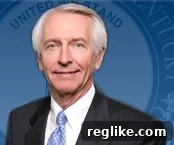
Beshear: Public Enemy #1
The initial reaction to Governor Beshear’s actions has been one of disbelief and concern. The suddenness and apparent lack of due process have left many wondering about the future of internet freedom and the potential for similar actions by other government officials. The decision to seize domain names first and address the details later has been particularly troubling, raising questions about fairness and the protection of property rights.
The Domain Industry: Facing an Uncertain Future
The seizure of domain names sets a dangerous precedent for the domain industry. The idea that a governor can unilaterally decide to seize domain names based on a perceived violation of state law is deeply unsettling. While the justification for the seizures is based on Kentucky law related to illegal gambling, the application of this law to online activities raises complex legal and ethical questions.
The ease with which the seizures were carried out is also concerning. The fact that a single judge could authorize the action highlights the potential for abuse and the need for greater oversight and accountability. The lack of warning given to the domain owners further exacerbates the problem, leaving them with little opportunity to defend their rights or challenge the government’s actions.
Furthermore, the criteria used to select the domain names for seizure appear to be arbitrary and inconsistent. The reported method of targeting websites based on the ability to create an account raises serious questions about the validity of the claims of illegal gambling. Many of these sites offer play money gambling and may not even accept real money from users in the United States. The fact that one of the seized domain names, IndianCasino.com, merely redirects to another website further undermines the government’s case.
The potential for this type of action to spread to other industries is a major concern. If a governor can seize domain names related to online gambling, what prevents other government officials from targeting other sectors they deem undesirable? Could the governor of Michigan ban foreign car websites to protect the state’s automotive industry? The possibilities are endless and the potential for abuse is significant.
Governor Beshear’s Risky Gamble: A Political Minefield
While Governor Beshear may have believed he was acting in the best interests of his state, his actions have opened a Pandora’s Box of legal and political challenges. He has likely underestimated the forces he is now facing and the potential consequences of his decisions. The backlash is likely to come from a variety of sources, including free speech advocates, the adult entertainment industry, the domain industry, and even his own constituents.
The First Amendment Under Attack: Free Speech Advocates Respond
Free speech advocates, such as the Electronic Frontier Foundation (EFF), are likely to challenge the domain seizures on First Amendment grounds. The EFF has a long history of defending internet freedom and opposing government actions that restrict online expression. They are likely to argue that the seizures violate the domain owners’ right to free speech and that the government’s actions are overly broad and unjustified.
A Threat to the Adult Entertainment Industry: A Looming Battle
The adult entertainment industry is also likely to be concerned about the precedent set by the Kentucky domain seizures. If the government can target online gambling sites, what prevents them from targeting adult entertainment websites? Governor Beshear may not have intended to target this industry, but his actions have created a legal framework that could easily be used to do so. This potential threat is likely to galvanize the adult entertainment industry to fight back and protect its interests.
The Domain Industry United: A Force to Be Reckoned With
The domain industry itself is a small but impactful group that is likely to mobilize in response to the Kentucky domain seizures. Domain name owners, registrars, and other industry stakeholders have a vested interest in protecting the integrity of the domain name system and preventing government interference. They are likely to work together to challenge the seizures in court and to advocate for policies that protect domain name rights.
The Voice of the People: Kentucky Residents Speak Out
Perhaps the biggest challenge facing Governor Beshear comes from his own constituents. Many Kentuckians value individual liberty and are wary of government overreach. They may not approve of online gambling, but they are also likely to be concerned about the government telling them what they can and cannot do online. Furthermore, the cost of defending the domain seizures in court could be significant, potentially costing taxpayers millions of dollars. This is likely to anger many Kentuckians, even those who do not gamble online.
The Legal Battleground: A Hearing in Kentucky
The legal battle over the Kentucky domain seizures is just beginning. Lawyers for the online casinos are preparing to challenge the seizures in court, arguing that they are unconstitutional and violate the domain owners’ rights. The outcome of this legal battle could have significant implications for the future of internet freedom and the role of government in regulating online activities.
The case is likely to raise a number of complex legal issues, including the interpretation of Kentucky law, the application of the First Amendment to online speech, and the limits of government authority to regulate activities that occur outside of its borders. The courts will need to carefully consider these issues and balance the competing interests of the government, the domain owners, and the public.
Ultimately, the Kentucky domain seizures are a risky gamble for Governor Beshear. He has taken a controversial action that has angered a wide range of groups and individuals. The legal and political challenges he now faces could be significant, and the outcome of this case could have far-reaching implications for the future of the internet.
The situation serves as a stark reminder of the importance of protecting internet freedom and ensuring that government actions are consistent with the principles of due process and the rule of law. The future of the internet depends on it.