
A cautionary tale from the world of domain investing highlights the critical importance of intellectual property rights, as two young entrepreneurs learned the hard way after turning down a $145,000 offer for a domain name closely tied to a global brand. Their refusal and subsequent business plans swiftly led to a cybersquatting complaint, underscoring the risks involved in acquiring and utilizing brand-adjacent digital assets without proper due diligence.
In the vibrant and often high-stakes arena of domain name investing, stories of rapid profits and shrewd foresight abound. Yet, alongside these triumphs, lie tales of caution that illuminate the complex interplay between foresight, speculation, and the formidable power of intellectual property law. One such compelling narrative recently unfolded concerning the domain name TikToks.com, a case that serves as a powerful reminder to all domain investors and aspiring online entrepreneurs about the perils of brand infringement and the often-costly consequences of misjudging legal boundaries.
The Genesis of a Risky Bet: Melbourne Teens and TikToks.com
The story began to gain public traction following an article published in June by the Herald Sun. This piece introduced two ambitious Melbourne teenagers who had already demonstrated remarkable success in the realm of online businesses. Their venture into the digital landscape painted a picture of youthful entrepreneurial spirit, keenly attuned to emerging trends. Crucially, the article detailed their acquisition of the domain name TikToks.com for a mere $2,000, a move made with the prescient belief that TikTok was poised to become the next dominant force in social media. At the time, their foresight seemed impeccable, positioning them for a potentially lucrative return on investment.
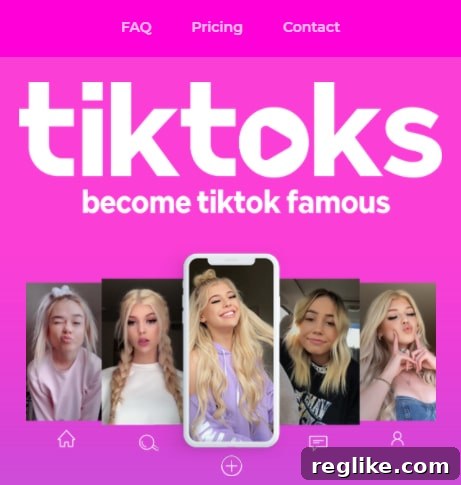
The narrative took an even more compelling turn when the article revealed that these young investors had recently turned down a substantial offer of $US145,000 (approximately $A209,947) for TikToks.com. Their decision to reject such a significant sum was rooted in an ambitious plan: they intended to retain the domain and launch what they envisioned as “the world’s first TikTok growth service.” This strategic pivot, while seemingly ingenious on the surface, laid the groundwork for a direct confrontation with one of the globe’s most powerful tech entities.
Understanding Cybersquatting and the UDRP Framework
The term “cybersquatting” refers to the practice of registering, trafficking in, or using a domain name with bad-faith intent to profit from the goodwill of a trademark belonging to someone else. To combat this, the Internet Corporation for Assigned Names and Numbers (ICANN) established the Uniform Domain-Name Dispute-Resolution Policy (UDRP). This policy provides a streamlined, administrative process for resolving disputes over domain names where a trademark owner believes their rights have been violated. It’s a faster, less expensive alternative to traditional court litigation, making it a preferred tool for large corporations like Bytedance seeking to protect their invaluable brand assets.
For a complainant to succeed in a UDRP proceeding, they must typically prove three key elements:
- The domain name is identical or confusingly similar to a trademark in which the complainant has rights. In this case, “TikToks.com” is undeniably similar to the globally recognized “TikTok” trademark. The addition of a plural ‘s’ and the ‘.com’ extension does little to differentiate it from the original brand, often enhancing the potential for consumer confusion.
- The respondent (domain registrant) has no rights or legitimate interests in respect of the domain name. This is where the teens’ position becomes precarious. They have no affiliation with TikTok, nor do they hold any trademark rights to the name. While they might argue a legitimate interest in developing a generic “growth service,” the use of a near-identical trademarked name severely undermines this claim. Operating a business that explicitly leverages the TikTok brand name, especially one focused on selling services directly related to the platform, further weakens any assertion of legitimate interest independent of the trademark.
- The domain name has been registered and is being used in bad faith. This is often the most critical and debated element. Bad faith can be evidenced by several factors, including an intent to profit from the confusion with the complainant’s mark, or to disrupt the complainant’s business. The teens’ stated intention to launch a “TikTok growth service” under TikToks.com, coupled with their refusal of a significant offer, points strongly towards an intent to capitalize on the goodwill and recognition of the TikTok brand. This type of activity, which can include selling followers or likes, often violates the terms of service of social media platforms and further solidifies the argument for bad faith registration and use.
The Warning Signs: Expert Opinions and Missed Opportunities
As soon as the *Herald Sun* article surfaced, the domain investing community quickly identified the significant legal risks involved. Prominent voices within the industry were quick to point out the impending legal challenge. DomainNameWire.com, for instance, remarked on Twitter that the teens had effectively provided “Exhibit A” for TikTok to use in a future UDRP complaint. This immediate expert analysis was not mere speculation; it was a clear warning rooted in extensive experience with similar domain disputes.
The core issue lay in their stated business plan. While identifying a market need for “growth services” might appear savvy, doing so under a domain name almost identical to a major trademark, and offering services directly linked to that brand, constitutes a direct infringement. Such operations inevitably lead to consumer confusion, making it appear as if the service is officially affiliated with or endorsed by TikTok itself. This deceptive practice is precisely what cybersquatting laws and the UDRP are designed to prevent. The rejection of a $145,000 offer, while financially tempting, demonstrated a misunderstanding of the legal precariousness of their position. A substantial cash payout could have been a clean exit, allowing them to reinvest in ventures free from trademark disputes. Instead, their ambition to leverage the TikTok brand directly placed them on a collision course with Bytedance’s robust legal team.
The Inevitable Filing: Bytedance Takes Action
Fast forward just three months from the initial *Herald Sun* article, and the predicted legal action materialized. TikTok’s parent company, Bytedance, formally filed a cybersquatting complaint under the UDRP against the domain TikToks.com. The swiftness of this action highlights the proactive and aggressive stance that major corporations take to protect their valuable intellectual property. For Bytedance, allowing a domain name like TikToks.com to be used for a “growth service” – especially one that might involve selling followers or engagement, practices often against the platform’s terms – posed not only a trademark infringement risk but also a potential threat to the integrity and brand reputation of TikTok itself.
Given the irrefutable evidence, including the public statements of intent from the domain registrants, the case appears to be a “slam dunk” for Bytedance. The clear similarity to the trademark, the lack of legitimate rights for the registrants, and the explicit bad-faith intent to profit from the brand’s goodwill through an associated service, all align perfectly with the criteria for a successful UDRP complaint. The likely outcome will be the transfer of the TikToks.com domain name to Bytedance, leaving the original registrants with no domain, no business, and a valuable lesson learned. The opportunity to walk away with a significant profit of $145,000 has been squandered in favor of an ultimately unsustainable and legally fraught venture.
Key Lessons for Domain Investors and Online Entrepreneurs
This case offers several invaluable lessons for anyone involved in domain name investing or planning an online business:
- Prioritize Trademark Due Diligence: Before acquiring any domain, especially one that sounds like or includes a brand name, thorough research into existing trademarks is paramount. A quick search can prevent costly legal battles down the line.
- Understand the UDRP: Familiarity with the Uniform Domain-Name Dispute-Resolution Policy and its three key elements is crucial. Knowing what constitutes cybersquatting can help investors avoid registering problematic domains or operating infringing businesses.
- Respect Brand Protection: Large corporations invest heavily in building and protecting their brands. They have the legal resources and determination to pursue trademark infringers, making it extremely difficult for smaller entities to prevail in such disputes.
- Value a Clean Exit: Sometimes, a substantial offer for a potentially problematic domain, even if it feels below its full speculative value, is the smartest move. Taking a guaranteed profit eliminates legal risk and allows for reinvestment in legitimate, defensible ventures.
- Beware of “Growth Services”: Businesses offering to artificially inflate social media metrics (followers, likes, views) often operate in a grey area, not only attracting the ire of platform owners for terms of service violations but also running afoul of trademark laws if they closely associate with the brand.
- Distinguish Between Generic and Branded Terms: While generic or descriptive domain names can be valuable, combining them with trademarked terms or using a slightly altered trademarked term for a business related to that brand is a recipe for disaster.
The saga of TikToks.com is a potent reminder that while the digital frontier offers immense opportunities for innovation and profit, it is not a lawless territory. The rules of intellectual property apply rigorously, and neglecting them can turn what initially appears to be a shrewd investment into a costly legal quagmire. The $145,000 offer represented a clear path to significant financial gain, a path tragically ignored in favor of a misguided and ultimately unsustainable business strategy. This case serves as a stark illustration: when a major brand comes knocking, it’s often wise to answer the door, especially if the alternative is a legal fight you’re destined to lose.