
The Stolen Digital Gem: Inside the High-Stakes Battle to Recover Calculator.com
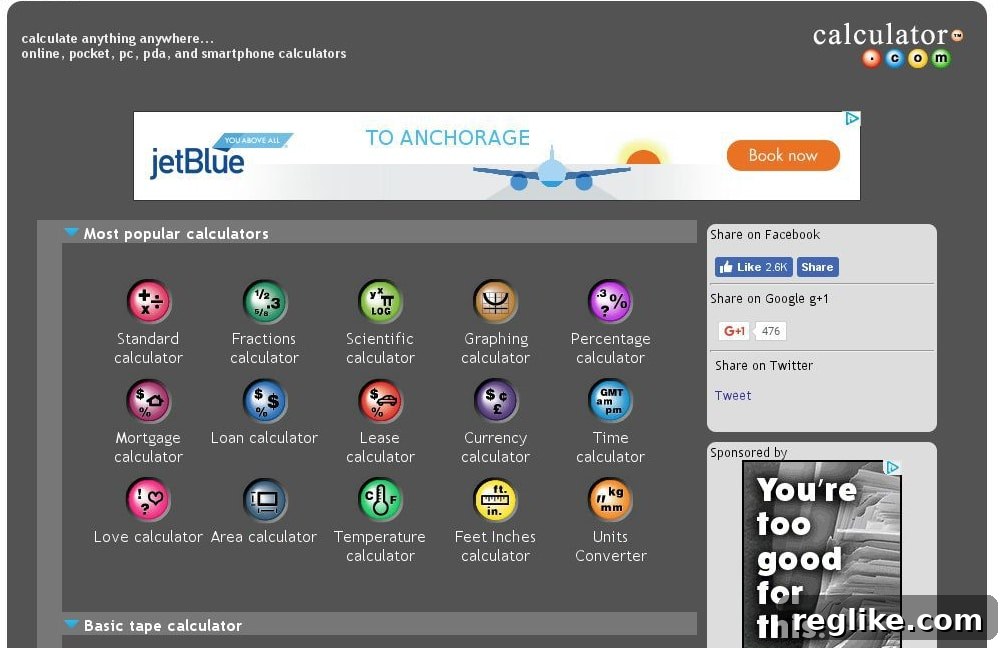
In the vast landscape of the internet, some domain names transcend mere addresses to become incredibly valuable digital assets. Calculator.com is one such rarity, a premium exact-match domain that has served as a widely used online utility for decades. Its significance, however, recently took a dramatic turn when its original owner, Chloe Tsakiris Alston, initiated a substantial legal battle to reclaim what she alleges was stolen from her. This intricate case sheds light on the vulnerabilities inherent in domain ownership, the critical role of vigilant domain investors, and the evolving challenges posed by changing internet privacy regulations.
The Genesis of a Digital Powerhouse: The Story of Calculator.com
The story of Calculator.com began modestly in 1997 when Chloe Tsakiris Alston and her father foresightedly registered the domain. From its inception, they meticulously developed the website, transforming it into a reliable and popular online resource for calculations of all kinds. Over two decades, Calculator.com cultivated a loyal user base, accumulating significant organic traffic and establishing itself as an authoritative presence in its niche. This sustained growth and utility translated directly into substantial financial value. According to the lawsuit filed by Alston, the site consistently generates an impressive $10,000 per month in AdSense revenue alone. This substantial income stream underscores the domain’s immense intrinsic worth, making it a highly coveted target for malicious actors in the digital realm. Its simple, memorable, and highly descriptive name ensures consistent traffic, making it a veritable cash cow for whoever controls it.
An Alarming Discovery: The Domain Appears on the Auction Block
The alleged theft came to light under unsettling circumstances in 2018. Without any authorization or knowledge from Alston, Calculator.com mysteriously appeared in an auction listing on Sedo, one of the world’s leading domain marketplaces. The sudden appearance of such a high-value, long-held domain immediately raised red flags among the astute community of domain name investors. It is in moments like these that the collective vigilance and expertise of the domain investment community prove invaluable. Seasoned investors, recognizing the unusual nature of the listing, sprang into action.
Prominent figures within the domain community, including industry veterans George Kirikos and Jamie Zoch, played a pivotal role. Their acute awareness of market anomalies and historical domain ownership patterns prompted them to investigate. Sensing foul play, they took the proactive step of reaching out to Alston directly. Their objective was twofold: to alert her to the ongoing auction and to verify whether the listing was legitimate or, as suspected, the result of an unauthorized transfer or theft. This extraordinary display of community responsibility highlights a unique aspect of the domain world – a network of individuals often collaborates to protect the integrity of the ecosystem. Further cementing the suspicious nature of the transaction, even the winning bidder, who had offered a substantial $250,000 for the domain, exercised due diligence. Before finalizing the hefty payment, this bidder also contacted Alston for verification, revealing a widespread apprehension about the domain’s listing.
Navigating the Aftermath: Registrar Involvement and Subsequent Transfers
Upon receiving these alarming notifications, Alston immediately contacted her domain name registrar, Network Solutions, to report the suspected theft and prevent any unauthorized transfer. According to the lawsuit, Network Solutions did manage to intervene and successfully halted the pending domain transfer to the alleged thief. However, a crucial misstep or oversight occurred. Despite preventing the transfer, Network Solutions reportedly maintained the alleged thief’s contact information associated with the Calculator.com domain. This decision, or lack of corrective action, had severe repercussions, effectively leaving a backdoor open for the perpetrator.
Exploiting this vulnerability, the alleged thief then successfully transferred the domain to GoDaddy, another major domain registrar. This subsequent transfer further complicated the recovery process, as the domain’s chain of custody grew longer. The lawsuit indicates that Calculator.com has apparently been sold again since the transfer to GoDaddy, meaning yet another owner is now involved. This multi-layered transfer of ownership not only obscures the trail but also adds significant complexity to the legal proceedings, as multiple parties, potentially innocent purchasers, become entangled in the dispute. The inclusion of the latest owner in the lawsuit underscores the difficulties of tracing and reclaiming digital assets once they have moved through several hands.
The Legal Battle Commences: Seeking Justice Through the Courts
Determined to reclaim her valuable digital property, Chloe Tsakiris Alston has formally initiated legal proceedings. Her lawsuit aims to recover Calculator.com and restore rightful ownership. Interestingly, Alston filed the lawsuit in Florida, a jurisdiction where none of the named parties (including Alston, the alleged thief, or the registrars) are ostensibly located. This strategic choice of venue is likely attributed to Alston’s legal representation: the Recalde Law Firm, based in Florida. The firm has a proven track record in successfully recovering stolen domains, suggesting a deliberate and calculated approach to the litigation.
The Recalde Law Firm notably achieved a significant victory in a similar case involving the domain xportautoparts.com. In that instance, they successfully obtained a temporary restraining order (TRO) that compelled the then-current registrar of xportautoparts.com to transfer the domain back to the auto parts store’s original registrar. A TRO is a powerful legal instrument that provides immediate relief by preventing further action, such as a domain transfer, and can even mandate the reversal of recent changes. This precedent likely provides Alston and her legal team with a strong framework and optimism for a similar outcome in the Calculator.com case. The legal arguments will undoubtedly hinge on establishing the unauthorized nature of the initial transfer, the responsibilities of the registrars involved, and the rights of the original owner to reclaim their property.
The Evolving Landscape of Domain Security and WHOIS Privacy
The Calculator.com saga also brings into sharp focus the critical role that WHOIS information historically played in safeguarding domain ownership, and the challenges introduced by its diminished availability. In this specific case, the ability of domain investors like George Kirikos and Jamie Zoch to contact the true owner was directly facilitated by the publicly accessible WHOIS database. This database, which traditionally contained registrant contact details, allowed them to cross-reference ownership information and alert Alston to the suspicious activity. Without this transparency, the initial unauthorized sale on Sedo might have proceeded undetected, making recovery significantly more difficult, if not impossible.
However, the landscape of domain privacy has undergone a dramatic transformation in the wake of the General Data Protection Regulation (GDPR) in Europe and similar privacy mandates globally. These regulations have significantly restricted the amount of personal data that can be publicly displayed in WHOIS records. While GDPR aims to protect individual privacy, a highly laudable goal, it has inadvertently created a new dilemma for domain security. Reduced WHOIS transparency makes it considerably harder for concerned parties – including other domain owners, intellectual property rights holders, and even law enforcement – to identify and contact legitimate domain registrants when suspicious activity or infringement occurs. This creates a fertile ground for malicious actors, who can hide behind privacy screens, making it harder to thwart theft, resolve disputes, or enforce legal actions. The Calculator.com case serves as a stark reminder of the delicate balance between privacy and transparency in maintaining a secure and trustworthy internet environment.
Lessons Learned and Future Implications for Digital Asset Protection
The ongoing legal battle for Calculator.com serves as a potent case study for domain owners, registrars, and the wider internet community. Firstly, it underscores the immense value of vigilance within the domain investment community. The proactive efforts of individuals like Kirikos and Zoch were instrumental in exposing the alleged theft before it became irreversible. Secondly, it highlights the critical responsibility of domain registrars. Their protocols for preventing unauthorized transfers, verifying ownership changes, and responding to reports of theft must be robust and infallible. Any perceived lapse, such as retaining a thief’s contact information, can have catastrophic consequences.
For domain owners, the lessons are clear: implement the highest levels of security, including two-factor authentication, strong unique passwords, and regular monitoring of domain registration details. Crucially, maintaining accurate and accessible contact information with your registrar, even if it’s not publicly displayed in WHOIS, is paramount for emergency communications. Lastly, the Calculator.com incident adds another layer to the ongoing debate about WHOIS privacy. While individual privacy is essential, the erosion of transparent ownership information creates significant hurdles for combating cybercrime and protecting digital assets. Future solutions may need to involve accredited third-party access mechanisms or more sophisticated verification processes that balance privacy concerns with the necessity of identifying legitimate parties in cases of fraud or theft. As digital assets continue to appreciate in value, the fight to protect them from theft and unauthorized transfer will only intensify, demanding adaptive legal frameworks and collaborative security measures across the global internet ecosystem.