
The Ongoing Battle for Digital Identity: Cameron Diaz Joins Celebrities Fighting for Domain Names
In the digital age, a celebrity’s name is not merely a brand; it’s a vital piece of their online identity. Establishing a strong, authentic digital presence is crucial for direct engagement with fans, controlling public narratives, and leveraging personal brand value. This imperative has led many prominent figures to take assertive action against individuals or entities who register domain names bearing their likeness or name without authorization, a practice commonly known as cybersquatting. Recently, acclaimed actress Cameron Diaz has stepped into this growing arena, initiating legal proceedings to reclaim the domain name CameronDiaz.com, underscoring a persistent challenge faced by public figures in safeguarding their digital footprints.
Cameron Diaz’s Arbitration Filing: A Closer Look at CameronDiaz.com
The saga for Cameron Diaz commenced with the filing of a formal arbitration case at the esteemed National Arbitration Forum. This critical step marks her official attempt to gain control over the domain name CameronDiaz.com. At present, the domain name is notably “parked” on SmartName, a platform often used by domain owners to generate revenue through advertising links. Visitors attempting to access the site are met with a page featuring various links, including those subtly hinting at her profession – “Cameron Diaz Actress,” “Entertainment,” and “Celebrity Posters.” This setup clearly indicates an intent to profit from her name and fame, an act central to many domain disputes.
A deeper dive into the domain’s public WHOIS record reveals that CameronDiaz.com is currently registered under the ownership of a Canadian company. This geographical detail, while seemingly minor, can sometimes add layers of complexity to international domain disputes, although the Uniform Domain-Name Dispute-Resolution Policy (UDRP) is designed to operate globally. The core of the dispute will revolve around demonstrating that the current registrant has no legitimate right to the name and is acting in bad faith, criteria rigorously evaluated in UDRP proceedings.
The Irresistible Allure of a Celebrity Name: Why Cameron Diaz Matters Online
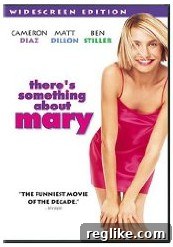
Cameron Diaz’s illustrious career spans decades, marked by an impressive filmography that has solidified her status as a beloved Hollywood icon. Her memorable roles in blockbusters such as “There’s Something About Mary,” “The Mask,” and providing the voice for Princess Fiona in the highly successful “Shrek” franchise have endeared her to millions worldwide. This extensive recognition and strong public affinity translate directly into significant brand value. For celebrities of her caliber, an official domain name like CameronDiaz.com is not merely an address; it’s a critical component of their personal brand architecture, a direct channel to fans, a platform for official announcements, and a shield against misinformation or unauthorized commercial exploitation. The unauthorized use of such a domain name can lead to brand dilution, reputational damage, and misdirection of her audience, making its recovery a priority.
A Growing Trend: Celebrities Unite Against Cybersquatting
Cameron Diaz’s arbitration filing is far from an isolated incident. Her move is part of a broader, accelerating trend wherein numerous high-profile celebrities are actively challenging cybersquatters to protect their digital identities. The past few months alone have seen a surge in such cases, highlighting the pervasive nature of this issue and the proactive stance celebrities are now taking.
- Jay Leno: The legendary talk show host recently initiated proceedings to reclaim no less than three domain names associated with his identity, reflecting a comprehensive effort to consolidate his online presence.
- Jim Carrey: Famed for his comedic genius and versatile acting, Jim Carrey is currently in a legal battle for JimCarrey.com, aiming to secure his primary online identifier.
- Sigourney Weaver: The iconic star of “Alien” and “Avatar,” Sigourney Weaver, is also engaged in a dispute to acquire SigourneyWeaver.com, underscoring the importance of online brand control even for established legends.
These examples illustrate a concerted effort by celebrities to assert their rights over their names in the digital realm. The motivation is clear: to prevent third parties from profiting unfairly from their fame, spreading potentially misleading content, or simply diluting their carefully cultivated public image.
Understanding the Uniform Domain-Name Dispute-Resolution Policy (UDRP)
One notable success story that provides a beacon of hope for complainants like Cameron Diaz is that of the late, legendary actress Elizabeth Taylor. Taylor successfully secured ElizabethTaylor.com after her second attempt, demonstrating the tenacity sometimes required in these disputes. In her case, the domain owner, upon receiving the UDRP complaint, opted to voluntarily hand over the domain, likely recognizing the strength of Taylor’s claim and the inevitability of an adverse ruling. This outcome highlights the effectiveness of the UDRP system.
The Uniform Domain-Name Dispute-Resolution Policy (UDRP) is the primary legal framework under which these celebrity domain disputes are adjudicated. Established by the Internet Corporation for Assigned Names and Numbers (ICANN), UDRP provides a streamlined, administrative process to resolve disputes concerning abusive domain name registrations, without the need for costly and time-consuming court litigation. Administered by reputable organizations such as the National Arbitration Forum (NAF) and the World Intellectual Property Organization (WIPO), the UDRP process is relatively quick and binding.
For a complainant to succeed under UDRP, they must prove three essential elements:
- The domain name is identical or confusingly similar to a trademark or service mark in which the complainant has rights: In celebrity cases, the celebrity’s name itself often serves as an unregistered common law trademark, especially if it’s widely recognized and used in commerce (e.g., for films, endorsements, personal brands).
- The registrant (domain holder) has no rights or legitimate interests in respect of the domain name: This is often straightforward for cybersquatters who simply registered a famous name with no prior connection to it. Legitimate interests might include legitimate business use, non-commercial fair use, or being commonly known by that name.
- The domain name has been registered and is being used in bad faith: This is a crucial element. Bad faith can be demonstrated by various factors, such as the registrant’s intent to profit from the complainant’s goodwill, disruption of the complainant’s business, an offer to sell the domain name to the complainant for an excessive price, or a pattern of registering similar celebrity names. The parking page with commercial links to “Cameron Diaz Actress” directly supports a claim of bad faith use in Diaz’s case.
The UDRP process offers a vital mechanism for individuals and brands to protect their online identity against opportunistic cybersquatting, providing a comparatively efficient route to justice in the complex landscape of domain name ownership.
The Detrimental Impact of Cybersquatting on Celebrity Brands
Cybersquatting, in essence, is the practice of registering, trafficking in, or using a domain name with the bad faith intent of profiting from the goodwill of a trademark belonging to someone else. For celebrities, the damage extends beyond mere financial loss. It can:
- Confuse Fans: Directing their audience to unauthorized sites, potentially exposing them to inappropriate content, scams, or misleading information.
- Dilute Brand Identity: Unauthorized commercial use can weaken the celebrity’s official brand messaging and control.
- Harm Reputation: If the cybersquatted site hosts offensive or unsavory content, it can severely damage the celebrity’s public image.
- Loss of Revenue and Control: Prevents the celebrity from using their name for official merchandise, fan clubs, or direct communication, thereby ceding potential revenue streams and control to third parties.
For celebrities, a domain name like their personal name is the cornerstone of their official online presence. It serves as:
- The Official Hub: A central point for all official news, projects, and announcements.
- Direct Fan Engagement: A trusted platform for interacting with their global fanbase.
- Brand Management: Essential for showcasing their work, endorsements, and personal ventures.
- Digital Legacy: A lasting digital asset that reflects their career and public persona.
The stakes are incredibly high, which is why celebrities are increasingly turning to legal avenues like UDRP to reclaim what they consider to be rightfully theirs.
Proactive Protection: Safeguarding Celebrity Digital Identities
While UDRP offers a powerful recourse, preventative measures are equally crucial. Celebrities and their management teams are advised to proactively register relevant domain names, including common misspellings (typosquatting), as early as possible. Monitoring domain registrations for new uses of their names is also vital. This includes not only ‘.com’ domains but also newer generic top-level domains (gTLDs) like ‘.net’, ‘.org’, ‘.info’, and others that might emerge, to establish a comprehensive digital perimeter.
The ongoing influx of UDRP cases initiated by celebrities like Cameron Diaz, Jay Leno, and Jim Carrey underscores a significant shift in how public figures manage their digital brands. It signals a robust commitment to reclaiming their online identities and ensuring that their names are not exploited for illicit gain. As the internet continues to evolve and become an even more integral part of public life, the battle against cybersquatting will undoubtedly continue, with legal frameworks like UDRP remaining at the forefront of protecting intellectual property in the digital domain.
Cameron Diaz’s pursuit of CameronDiaz.com is more than just an individual case; it’s a microcosm of the larger struggle for online identity and brand protection in the modern era. As the digital landscape becomes increasingly intertwined with personal and professional lives, the importance of securing one’s name online has never been greater. These celebrity-led arbitrations serve as powerful reminders of the value of digital assets and the necessity for vigilance against those who seek to profit from the goodwill and fame of others. The outcomes of these cases not only shape the individual online presence of a star but also contribute to the evolving legal precedent that safeguards personal brands across the internet.