The Enduring Power of Generic Holiday Domains: A Digital Goldmine for Brands and Investors
In the vast expanse of the internet, where millions of websites vie for attention, the simplicity and directness of a generic domain name can be an unparalleled asset. Particularly in the realm of holidays, these digital addresses become high-value properties, drawing in a torrent of what’s known as “type-in traffic.” This phenomenon, where users bypass search engines and directly enter a memorable domain into their browser, represents some of the most targeted and valuable traffic online. From global brands like Hallmark to savvy domain investors, the strategic acquisition of these iconic names often translates into significant digital advantage, whether for direct sales, brand reinforcement, or lucrative monetization.
The allure of a generic domain tied to a specific holiday is multifaceted. It’s about more than just a website address; it’s about owning a piece of the holiday itself in the digital sphere. When a user thinks of a holiday and wants to find information, products, or services related to it, their first instinct might be to simply type the holiday’s name followed by a common top-level domain like .com. This direct navigation stream is incredibly potent because it indicates high user intent and a clear purpose, making it a dream for marketers and businesses alike. Let’s delve into how different entities are leveraging—or, in some cases, overlooking—the immense potential of these digital assets, examining real-world examples that highlight the strategic value inherent in owning generic holiday domain names.
The Unrivaled Power of Generic Domains: A Deep Dive into Type-in Traffic
At the heart of the generic domain’s appeal lies “type-in traffic,” also frequently referred to as direct navigation. Unlike traffic acquired through search engine optimization (SEO), paid advertisements, or social media campaigns, type-in traffic occurs when a user knowingly types a domain name directly into their web browser’s address bar. This behavior is incredibly powerful for several reasons. Firstly, it indicates a high level of recall and trust; the user remembers the domain and trusts that it will lead them to relevant content. Secondly, it often signals strong intent. Someone typing “Easter.com” is almost certainly looking for Easter-related content, gifts, recipes, or information.
This direct route bypasses the competitive landscapes of search engine results pages (SERPs) and the often-interrupted flow of social media feeds. It’s a pure, unadulterated connection between the user’s thought and the website. For businesses, this translates into exceptionally qualified leads and a high conversion rate, as the user has actively sought out the specific content or brand. For domain investors, it represents a consistent, evergreen stream of visitors that can be monetized through advertising, lead generation, or eventual sale to an interested party. The simplicity of these domain names—like “Easter.com” or “GoodFriday.com”—makes them instantly memorable and establishes an immediate sense of authority and relevance, making them prime digital real estate in an increasingly crowded online world.
Case Study 1: Hallmark’s Strategic Mastery with Easter.com
Few companies understand the emotional resonance of holidays better than Hallmark. Their strategic acquisition and utilization of Easter.com serve as a prime example of how a generic holiday domain can be transformed into a powerful commercial asset. A visit to Easter.com doesn’t lead to a generic parking page or a bland informational site; instead, it seamlessly redirects users to a dedicated Easter section on Hallmark’s main website. This strategic move is a masterclass in leveraging direct navigation for immediate commercial benefit and brand reinforcement.
The benefits for Hallmark are manifold. Firstly, it captures a significant volume of direct navigation traffic from individuals actively seeking Easter-related content. These users are often in the mood to shop for cards, gifts, decorations, or party supplies, making them highly receptive to Hallmark’s offerings. Secondly, owning Easter.com solidifies Hallmark’s position as an authoritative voice and a leading brand for holiday celebrations. It instills trust and reinforces their brand identity, making them the go-to destination for all things Easter. Perhaps equally important, this ownership strategy effectively blocks competitors from acquiring and using such a highly desirable domain. Imagine the impact if a rival greeting card company or gift retailer owned Easter.com; it would divert valuable traffic and diminish Hallmark’s market share. By securing this premier digital asset, Hallmark ensures that a critical segment of holiday shoppers directly lands on their digital doorstep, year after year, guaranteeing an evergreen stream of highly relevant and engaged customers.
The Enigma of GoodFriday.com: Commercial Value vs. Public Service
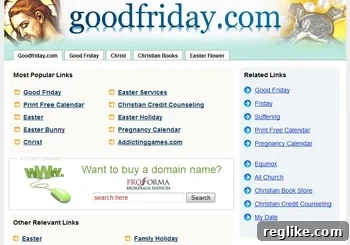
While Hallmark exemplifies commercial prowess, the case of GoodFriday.com presents a different facet of generic holiday domain ownership, one that highlights the intersection of commercial interests and potential for public service. Today, Good Friday is observed by millions globally, marking a solemn and significant day in the Christian calendar. Unsurprisingly, traffic to GoodFriday.com experiences a substantial peak on this very day, as individuals seek information, meaning, and connection related to the holiday.
This highly valuable domain is owned by Frank Schilling’s Name Administration, a prominent player in the domain investment world. For domain investors, such a domain is a prime asset for its predictable, albeit seasonal, surge in type-in traffic. This traffic can be monetized through various means, including advertising on a parked page, lead generation, or even as a developed portal with relevant content. The commercial value is undeniable, driven by sheer volume of direct user interest. However, the scenario also sparks a compelling discussion about missed opportunities. A religious organization, for instance, could benefit immensely from acquiring GoodFriday.com. Imagine a website dedicated to educating the public about the historical and spiritual significance of Good Friday, offering reflections, prayers, and perhaps even guiding visitors to local worship services or online spiritual events. Such a platform could serve as a powerful tool for outreach, community building, and spiritual enrichment, reaching a global audience with relevant, timely, and impactful content. The current commercial use, while perfectly legitimate, underlines a constant tension in the domain world: the balance between maximizing financial return and serving broader societal or educational purposes.
EasterSunday.com: A Tale of Untapped Potential
The third prominent generic holiday domain in our examination, EasterSunday.com, owned by Scott Day’s Digimedia, serves as a poignant illustration of untapped potential. While the domain itself holds immense value due to its direct relevance to a major global holiday, its current state reveals a significant oversight. The website features a customized parking page, yet astonishingly, it appears to have remained largely untouched since 2008. The page prominently displays an outdated message: “Getting You Ready for Easter Sunday March 23rd, 2008.”
This scenario represents a considerable missed opportunity. Easter Sunday, like Good Friday, is a day of peak interest, attracting a flood of direct navigation traffic annually. An actively managed and updated site at EasterSunday.com could be a dynamic hub for celebrating the holiday. It could feature a wealth of evergreen content, such as Easter traditions, recipes for festive meals, craft ideas for children, historical insights into the holiday’s origins, or even links to various online church services. For a brand, it could be a seasonal marketing powerhouse. For an individual developer, it could be a vibrant community portal. The neglect of EasterSunday.com means that valuable type-in traffic is essentially wasted on an irrelevant, outdated message, failing to engage visitors or convert their interest into any meaningful interaction. It underscores the critical importance of maintaining evergreen content and ensuring that even highly valuable generic domains are regularly updated to remain relevant and maximize their inherent worth. A dormant prime digital asset is, in many ways, a squandered opportunity in the fast-paced digital landscape.
Beyond the Holiday: The Broader Implications of Generic Domain Ownership
The insights gleaned from Easter.com, GoodFriday.com, and EasterSunday.com extend far beyond individual holidays. They highlight fundamental principles of digital strategy and asset management. Owning a generic domain isn’t merely about possessing a memorable web address; it’s about securing a strategic foothold in the digital ecosystem. For businesses, it’s a powerful form of brand protection. Just as Hallmark protects its physical brand, owning Easter.com shields it from competitors who might otherwise capitalize on this direct source of customer intent. This strategy ensures that potential customers land on the intended site, reinforcing brand loyalty and preventing traffic diversion.
Moreover, generic domains are considered prime digital real estate due to their long-term investment value. Unlike trending keywords or fleeting social media platforms, the fundamental concept of “Easter” or “Good Friday” remains constant year after year. This ensures a consistent, predictable stream of type-in traffic, making these domains exceptionally stable and valuable assets. While direct navigation isn’t traditional SEO, the high volume of direct traffic and positive user engagement can indirectly enhance a brand’s overall digital presence and authority in the eyes of search engines. A brand that consistently attracts direct traffic is often perceived as established and authoritative, factors that can contribute to broader SEO success. In an increasingly fragmented digital world, the simplicity and directness of a generic domain offer a timeless advantage, cutting through the noise and connecting directly with users who have clear intent.
Maximizing Value: Strategies for Generic Holiday Domains
For those fortunate enough to own a generic holiday domain, or for businesses contemplating such an acquisition, a well-thought-out strategy is crucial to maximize its immense value. The approach will naturally vary depending on the owner’s objectives, whether commercial, informational, or for community engagement.
For **businesses like Hallmark**, the strategy involves seamless integration with their existing e-commerce platforms. Easter.com successfully redirects to a curated section of Hallmark’s website, ensuring that direct traffic immediately finds relevant products and branding. This approach focuses on maximizing sales conversions and reinforcing brand authority. Businesses should also consider creating seasonal landing pages, special promotions, and engaging content that aligns with the holiday’s theme, making the most of the surge in user interest.
For **domain investors**, the goal is typically monetization or eventual resale. This can involve developing a basic informational site with advertising, creating a lead generation portal, or setting up a robust affiliate marketing platform. The key is to ensure the content is high-quality, relevant to the holiday, and provides value to the visitor, encouraging longer engagement and repeat visits, which in turn increases ad revenue or lead quality. Regular updates, even if minor, are essential to keep the site fresh and search-engine friendly.
For **non-profits, religious organizations, or educational institutions**, generic holiday domains present an unparalleled opportunity for outreach and public service. A domain like GoodFriday.com, if acquired by a religious entity, could serve as a central hub for educational resources, historical context, spiritual guidance, and listings of community events or worship services. The content should be evergreen, informative, and inspiring, leveraging the holiday’s significance to connect with a broad audience. User-generated content, forums, or interactive features could further enhance community engagement.
Across all these approaches, a robust **content strategy** is paramount. Evergreen content – information that remains relevant year after year, such as holiday traditions, historical facts, or classic recipes – forms the backbone. This should be complemented by timely updates, such as current event listings, new product features, or contemporary reflections. Incorporating multimedia elements like videos, high-quality images, and interactive tools can significantly enhance user experience and engagement, ensuring that these valuable domains continue to attract and retain visitors, solidifying their status as true digital assets.
Conclusion: The Enduring Legacy of Direct Navigation
The case studies of Easter.com, GoodFriday.com, and EasterSunday.com vividly illustrate the enduring and often underestimated power of generic holiday domains. These digital assets represent more than just web addresses; they are prime online real estate, offering direct access to highly engaged audiences with clear intent. Whether expertly leveraged by global brands for commercial gain, held by astute investors for their predictable traffic flows, or left to languish as untapped potential, their intrinsic value remains undeniable.
In an increasingly complex and algorithm-driven digital landscape, the simplicity of type-in traffic offers a refreshing and powerful alternative. It underscores the fundamental human tendency to seek directness and clarity, especially when looking for information or products related to well-known events like holidays. As the internet continues to evolve, the strategic acquisition and thoughtful development of generic domains will undoubtedly remain a cornerstone of effective digital strategy, proving that sometimes, the most straightforward path is indeed the most valuable. These domains are not just links; they are portals to perennial interest, ensuring their legacy as invaluable assets in the digital age for years to come.