
Cheech & Chong Reunited: The Fight for Their Digital Legacy at CheechandChong.com
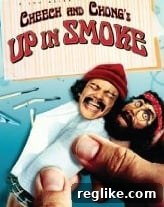
The legendary comedy duo, Richard “Cheech” Marin and Tommy Chong, known globally simply as Cheech & Chong, are not only reuniting on stage for a series of acclaimed appearances and a much-anticipated tour; they are also taking their reunion into the digital realm with a critical legal battle. Their target? The highly coveted domain name, CheechandChong.com. This move underscores a crucial aspect of modern celebrity branding and intellectual property protection: controlling one’s digital identity. A formal complaint has been filed with the World Intellectual Property Organization (WIPO), signaling the start of a process that is expected to conclude within a few months, determining the rightful ownership of this significant online asset.
The domain in question is currently operated by Traced Inc., a company that has established a website selling a wide array of “paraphernalia” purportedly related to the iconic comedians. This includes everything from DVDs of their classic films to branded t-shirts and lighters. Essentially, the site functions as an online store, capitalizing on the immense brand recognition and enduring popularity of Cheech & Chong. However, a small disclaimer tucked away at the bottom of the website attempts to clarify its unofficial status:
Disclaimer: Cheech and Chong Dot Com is a Cheech and Chong fan site. It is not operated by Cheech and Chong.
While this disclaimer is present, its efficacy in preventing consumer confusion or absolving the site of potential trademark infringement is highly debatable. For many fans and consumers, a website bearing the exact name of a famous duo, and selling their merchandise, would naturally be assumed to be official or at least authorized. This legal challenge highlights the fine line between legitimate fan tribute and unauthorized commercial exploitation.
The Heart of the Dispute: Understanding UDRP and Brand Protection
Cheech & Chong’s decision to pursue arbitration through WIPO indicates they are utilizing the Uniform Domain-Name Dispute-Resolution Policy (UDRP). This policy is specifically designed to provide a streamlined, cost-effective mechanism for resolving disputes concerning abusive domain name registrations, often referred to as cybersquatting. For a complainant to succeed under UDRP, they typically need to demonstrate three key elements:
- Identical or Confusingly Similar Domain Name: The domain name must be identical or confusingly similar to a trademark or service mark in which the complainant has rights. Given that “Cheech and Chong” is undeniably a well-established and legally recognized trademark associated with the comedy duo, this criterion is highly likely to be met.
- Lack of Rights or Legitimate Interests: The domain name registrant (Traced Inc. in this case) must have no rights or legitimate interests in respect of the domain name. Selling merchandise related to a celebrity brand without authorization generally does not constitute a legitimate interest. While the site claims to be a “fan site,” profiting directly from the sale of merchandise using the brand name without consent usually negates any claim of legitimate interest under UDRP guidelines.
- Bad Faith Registration and Use: The domain name must have been registered and be being used in bad faith. The very act of registering a domain name that directly incorporates a famous trademark, then using it to sell related merchandise, strongly suggests bad faith. The disclaimer itself, while attempting to mitigate, could also be seen as an acknowledgment that the registrant knew they were operating on the fringes of legitimacy, further supporting a claim of bad faith use.
Considering these established criteria, Cheech & Chong appear to have a robust case. Their names are synonymous with their brand, and any unauthorized commercial use of “CheechandChong.com” for profit, particularly for selling related goods, encroaches upon their intellectual property rights and potentially misleads consumers.
Why Digital Identity Matters: Domain Names as Core Brand Assets
In today’s interconnected world, a domain name like CheechandChong.com is far more than just a web address; it’s a foundational pillar of a brand’s digital identity and a critical asset for engaging with fans and consumers. For celebrities and established brands, owning their eponymous domain names is paramount for several reasons:
- Official Online Presence: It serves as the primary gateway to official information, tours, merchandise, and direct communication channels, preventing misinformation and ensuring brand authenticity.
- Brand Control and Reputation Management: Owning the domain allows the brand to control the narrative, present its image as intended, and manage its reputation without interference from third parties.
- Monetization and E-commerce: A dedicated official domain is essential for direct-to-consumer sales of merchandise, tickets, and other products, maximizing revenue streams and fostering direct fan relationships.
- Preventing Consumer Confusion: When an unauthorized entity uses a brand’s exact name for commercial purposes, it almost inevitably leads to consumer confusion, with fans mistakenly believing they are interacting with the official entity.
- Intellectual Property Protection: A domain name that mirrors a trademark is a natural extension of that trademark in the digital space. Securing it is a proactive measure against infringement and cybersquatting.
- SEO and Visibility: An official, well-maintained domain name enhances search engine optimization, making it easier for fans to find official content and products.
For a duo like Cheech & Chong, who are actively reuniting and touring, having an official, controlled online hub is indispensable. It allows them to connect with their multi-generational fanbase, promote their work, and sell authentic merchandise directly, ensuring that their creative and commercial efforts are not diluted or diverted by unauthorized entities.
Fan Sites vs. Commercial Exploitation: Drawing the Line
The internet thrives on fan communities, and many fan sites operate as genuine tributes, offering news, discussions, and archives without seeking to profit directly from the celebrity’s brand. These sites are often viewed positively, fostering community and extending a celebrity’s reach. However, a clear distinction must be made when a “fan site” transitions into a commercial venture, selling products that directly compete with or mimic official merchandise.
The CheechandChong.com scenario, where Traced Inc. is selling “paraphernalia” ranging from DVDs to t-shirts and lighters, squarely places it in the realm of commercial exploitation. While the site features a disclaimer stating it is “not operated by Cheech and Chong,” this alone is often insufficient to mitigate the legal implications of trademark infringement and unfair competition. Trademark law aims to protect consumers from confusion and brand owners from the dilution of their marks and the unauthorized leveraging of their goodwill. When a third party uses a trademarked name to sell goods that are identical or similar to those offered by the trademark owner, it creates a high likelihood of confusion, regardless of a small disclaimer.
Furthermore, the very nature of such a site, designed to profit from the fame and likeness of Cheech & Chong, runs contrary to the spirit of a true, non-commercial fan endeavor. It underscores the critical need for brand owners to actively monitor and enforce their intellectual property rights in the digital landscape, ensuring that their brands are not co-opted for unauthorized commercial gain.
Cheech & Chong: A Legacy Reclaimed in the Digital Age
The comedic journey of Richard “Cheech” Marin and Tommy Chong spans decades, marking them as pioneers of stoner comedy and counter-culture icons. From their groundbreaking albums and films in the 1970s and 80s to their individual careers and eventual reunion, their cultural impact is undeniable. The “fuzzy” period, as humorously referenced in the original context, refers to the challenges and separations that often characterize long careers in the entertainment industry. While they couldn’t have registered a domain name in the 1970s, their resurgence in the digital age makes domain ownership an immediate and pressing concern.
Their recent reunion tour and public appearances have revitalized their brand, bringing their unique brand of humor to new generations while delighting long-time fans. This renewed prominence makes the control of their digital assets, especially their primary domain name, more critical than ever. It’s not merely about owning a website; it’s about consolidating their brand, protecting their legacy, and ensuring that their fans can directly access their official content and merchandise without intermediaries who profit from their name without authorization.
The ongoing WIPO arbitration for CheechandChong.com is a testament to the enduring relevance of intellectual property in the digital age. It serves as a stark reminder for all public figures and brands to secure their online identities proactively. As the digital landscape continues to evolve, controlling one’s domain name becomes as vital as protecting physical trademarks and copyrights, guaranteeing that the creators, not unauthorized third parties, reap the benefits of their enduring fame and cultural impact.