
Strategic Marketing: The $88,000 Cognac.com Sale and Beyond
The digital landscape is a vast and competitive arena, where premium domain names are often considered the prime real estate of the internet. A truly memorable and brand-defining domain can significantly impact a business’s online presence, credibility, and ultimately, its success. While high-value domain sales frequently capture headlines, the real story often lies not just in the final transaction price, but in the intelligent and innovative strategies employed by sellers to unlock that value. A fascinating case in point is the sale of Cognac.com, which fetched a remarkable $88,000 in a GreatDomains auction. However, the true narrative behind this successful acquisition transcends the monetary figure; it is a masterclass in multi-channel marketing that every domain investor and business owner can learn from.
More Than a Price Tag: The Genius Behind the Cognac.com Marketing Strategy
In the world of domain investing, an $88,000 sale is certainly noteworthy, positioning Cognac.com among valuable digital assets. Yet, what truly distinguished this particular transaction was the seller’s forward-thinking and comprehensive approach to marketing. Unlike many domain sales where listings might be passive, relying solely on a marketplace’s visibility, the Cognac.com seller demonstrated an understanding that a premium asset demands a premium promotional effort. This strategy went beyond conventional online listings, incorporating elements that created buzz, urgency, and perceived value, ultimately maximizing the potential for a lucrative sale. It highlighted a crucial principle: even the most coveted digital asset needs a proactive, well-orchestrated campaign to reach its full market potential.
The Art of Online Promotion: A Dedicated Sales Page
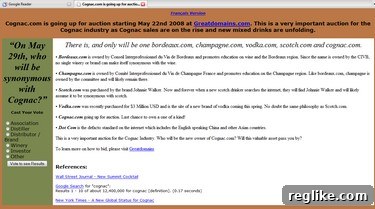
The first strategic move, and one that is increasingly becoming a best practice for high-value domains, was the creation of a dedicated sales page hosted directly on Cognac.com. This wasn’t merely a placeholder; it was a carefully crafted digital storefront designed to inform, persuade, and excite potential bidders. The page served as a powerful direct marketing tool, leveraging the inherent authority and recognition of the domain itself. By visiting Cognac.com, interested parties were immediately immersed in a professional and compelling narrative about the domain’s impending auction. This direct approach eliminated intermediaries and ensured that all potential buyers received a consistent, persuasive message right from the source.
The content of this sales page was meticulously designed to appeal to both industry insiders and speculative investors. It prominently announced: “Cognac.com is going up for auction starting May 22nd 2008 at Greatdomains.com.” This clear call to action and specific timing immediately established a sense of urgency and direct guidance for interested parties. More importantly, the seller skillfully articulated the domain’s intrinsic value by connecting it to broader industry trends and future opportunities. The text continued: “This is a very important auction for the Cognac industry as Cognac sales are on the rise and new mixed drinks are unfolding…” This statement was critical, as it framed Cognac.com not just as a name, but as a strategic asset poised to capitalize on a burgeoning market, making it indispensable for any serious player in the beverage sector.
Furthermore, the sales page employed a rhetorical question designed to provoke thought and ignite competitive desire: “On May 29th, who will be synonymous with Cognac?” This brilliant piece of copywriting tapped into the aspirational nature of owning a category-defining domain. It suggested that ownership of Cognac.com wouldn’t just be an acquisition; it would be an elevation to a position of authority and market leadership within the global Cognac industry. It invited potential buyers to envision themselves at the helm of a powerful brand, directly linking the domain to prestige and influence. While online advertising for domains in auction is becoming more common, the execution here was exemplary, setting a high standard for how to effectively showcase a premium domain’s potential by blending information with aspirational marketing.
Breaking Through the Digital Noise: The Impact of Offline Marketing
While the online sales page was expertly executed, what truly set this marketing campaign apart was the audacious and highly effective use of offline marketing. In an increasingly digital world, where email inboxes are overflowing and online advertisements often blend into the background, the seller chose a distinctly old-school, yet remarkably potent, method: direct mail postcards. This unconventional approach demonstrated a deep understanding of marketing psychology and the power of tangibility. It was a bold move that paid off by creating a truly memorable impression in a cluttered communication landscape.
Sending physical postcards to potential buyers and key domain industry figures was a stroke of genius. The act of receiving a physical piece of mail, particularly one that isn’t a bill or unsolicited junk mail, commands attention. It cuts through the digital clutter and lands directly in the recipient’s hand, demanding a moment of their focus. The author of the original article, a prominent figure in the domain community, confirmed receiving such a postcard in their post office box, highlighting the targeted and effective distribution of this campaign. This personal touch, delivered through traditional mail, underscored the significance of the asset being offered and suggested a level of seriousness from the seller that online-only campaigns sometimes lack.
The message on the postcard was equally compelling, designed to instill a sense of urgency, exclusivity, and competitive drive: “Just like Vodka.com, Cognac.com is a one of a kind. Who will win this domain? Will this valuable asset pass you by?” By drawing an analogy to Vodka.com, another highly valuable and generic domain, the seller immediately elevated Cognac.com’s perceived status to that of an irreplaceable, category-defining asset. This comparison instantly communicated the domain’s premium tier without needing lengthy explanations. The questions posed were not merely rhetorical; they were direct challenges to potential buyers, urging them to consider the profound implications of missing out on such a unique opportunity. This psychological approach played on both the fear of missing out (FOMO) and the desire for prestige, making the domain’s acquisition seem less like a mere purchase and more like a strategic imperative for any serious player in the beverage industry or domain investment space. The combination of online and offline tactics created a synergistic effect, amplifying the message and reaching a broader, yet highly targeted, audience.
The Enigma of the Seller: Privacy and Professionalism in Domain Transactions
An interesting side note to the Cognac.com sale is the relative anonymity of the seller. Before the transfer, the domain was listed under Domain Capital’s name. This is a common practice in the domain industry, often indicating that Domain Capital was acting as a proxy or service provider for one of its clients, rather than being the direct owner. Professional domain brokers and portfolio managers frequently handle transactions on behalf of their clients to ensure privacy, streamline the sales process, and leverage their expertise and network. This layer of professionalism not only protects the seller but also provides a level of security and trust for potential buyers, knowing that a reputable firm is facilitating the transaction.
Further investigation into the whois records revealed the previous owner as an individual based in the British Virgin Islands. However, attempts to contact this individual via the associated email address proved fruitless, as the email bounced. This lack of a clear, directly identifiable seller often adds a layer of intrigue to high-profile domain sales. For many sellers, privacy is a paramount concern, driven by desires to avoid unsolicited offers, maintain competitive advantage, or simply protect personal information. The use of proxy services and the challenges in tracing ultimate ownership are inherent aspects of the domain aftermarket, underscoring the professional mechanisms in place to facilitate discrete and secure transactions. This also reflects the global nature of domain ownership, where assets can be held by individuals or entities across various jurisdictions, adding to the complexity and allure of the domain market.
Lessons from Cognac.com: A Blueprint for Premium Domain Marketing
The sale of Cognac.com stands as a powerful testament to the impact of a well-executed, multi-faceted marketing strategy for premium digital assets. It offers invaluable lessons for anyone looking to maximize the value of their domain portfolio. By dissecting this particular success story, we can extract universal principles applicable to selling any high-value online asset. Here are the key takeaways that form a blueprint for effective domain marketing:
1. Understand and Articulate Intrinsic Value:
The seller didn’t just list a domain; they presented a compelling narrative about its future potential and strategic importance. For any premium domain, it’s crucial to identify and clearly communicate why it is valuable – be it for branding, market leadership, traffic generation, or defensive purposes. Connect the domain to industry trends, growth opportunities, and tangible business benefits. A buyer needs to understand not just what they are acquiring, but the significant advantages and opportunities it unlocks for their business or investment portfolio.
2. Create a Dedicated and Engaging Online Presence:
A high-quality landing page on the domain itself is indispensable. This page should be professional, articulate the domain’s value proposition, provide all necessary auction details (if applicable), and include a clear call to action. High-resolution imagery, persuasive copywriting, and SEO considerations for the landing page can significantly enhance its effectiveness and reach. This acts as the central hub for all marketing efforts, a professional gateway that validates the domain’s premium status and provides comprehensive information to serious prospects.
3. Don’t Underestimate the Power of Offline Marketing:
In a world saturated with digital ads, a tangible, physical outreach can cut through the noise. Direct mail, especially if targeted effectively to specific industry players or high-net-worth investors, can create a lasting impression and demonstrate a seller’s commitment to the sale. It adds a touch of exclusivity and gravitas that digital channels sometimes lack, making the message stand out and feel more personal and significant.
4. Leverage Scarcity, Urgency, and Emotional Appeal:
Effective marketing often taps into human psychology. Phrases like “one of a kind,” setting auction deadlines, and posing questions that highlight the risk of “passing by” a valuable asset create a sense of urgency and scarcity. Appealing to a buyer’s desire for leadership, prestige, or fear of missing out can significantly drive up demand and bidding activity. These emotional triggers can convert passive interest into active participation, leading to higher valuations.
5. Target Your Audience Precisely:
The Cognac.com seller didn’t just broadcast; they targeted. Sending postcards to “potential buyers and domainers” shows a clear understanding of who would value this asset most. Identifying your ideal buyer persona – be it a specific industry, a large corporation, or an individual investor – allows for tailored marketing efforts that yield better results. Precision targeting ensures that your message reaches those most likely to appreciate and afford the asset, maximizing conversion rates.
6. Maintain Professionalism and Discretion:
While the seller’s identity remained private, the overall marketing campaign was highly professional. Using services like Domain Capital and engaging with established auction platforms like GreatDomains lends credibility and ensures a smooth transaction process. For high-value assets, maintaining a degree of discretion can also contribute to the mystique and focus on the asset itself, rather than the seller’s personal details, promoting a fair and competitive bidding environment.
The Enduring Value of Premium Digital Assets
The Cognac.com case study serves as a timeless reminder that premium domain names are more than just web addresses; they are strategic digital assets that, when properly marketed, can command significant investment. As the global digital economy continues to expand, the value of generic, brandable, and industry-specific domains will only appreciate. Companies and individuals who recognize the importance of securing these digital anchors, and who are willing to invest in sophisticated marketing strategies to either acquire or divest them, will be the ones who truly thrive in the competitive online landscape. The internet’s infrastructure is built on these foundational names, and their scarcity ensures their long-term value.
Ultimately, the $88,000 sale of Cognac.com was not merely a transaction; it was a carefully orchestrated event that showcased the immense power of intelligent, multi-channel marketing. It proved that by combining well-executed online presence with impactful offline outreach, sellers can not only achieve their desired price but also set a new benchmark for how premium domain names should be brought to market. The legacy of the Cognac.com sale is a powerful lesson in valuing and strategically promoting digital real estate, demonstrating that a holistic approach is key to unlocking the true potential of these invaluable assets.