
Companies are Making it Harder to Register and Sell Crisis-Related Domains: You Should Thank Them.
In an increasingly interconnected world, global crises demand not only immediate action but also clear, accurate, and ethical communication. The digital landscape often becomes the primary battleground for information dissemination, where truth can easily be obscured by misinformation and exploitation. During moments of widespread public concern—be it a global pandemic, a natural disaster, or a significant political event—a predictable and concerning pattern emerges: a rapid surge in domain name registrations featuring crisis-related keywords.
This phenomenon is typically driven by a mix of speculative intent, a genuine desire for rapid information sharing, and, regrettably, outright malicious opportunism. Such a surge presents a significant challenge for the domain industry, which must balance open access with preventing abuse. Fortunately, some leading players are stepping up to the plate, taking decisive action to curb this digital gold rush.
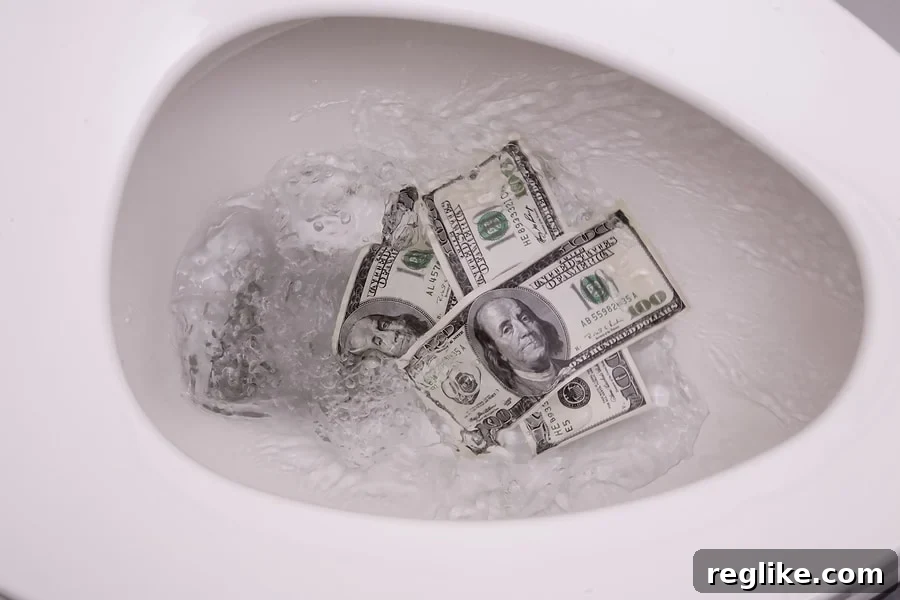
Recently, Namecheap, a prominent domain name registrar, announced a crucial policy change: it would no longer allow the registration of new domain names containing sensitive terms like “coronavirus,” “covid,” or “vaccine” through its services. Following suit, DAN.com, a major domain name marketplace, committed to removing all existing coronavirus-related domain names from its platform. While these actions might initially irk individuals hoping to capitalize on such events, a deeper look reveals that these companies are, in fact, performing a vital service. They are not only contributing to a safer internet for everyone but, ironically, also saving would-be profiteers from making regrettable and often worthless investments.
The Critical Need for Proactive Domain Policies in Crisis Times
While some might interpret these new policies as an infringement on free-market principles or an overly cautious stance, the reality is far more complex and beneficial. Namecheap and DAN.com are not simply hindering speculative hoarding; they are actively fostering a healthier, more trustworthy internet ecosystem. Their proactive measures address multiple critical issues, ranging from safeguarding public health information to protecting individuals from severe financial blunders and irreparable reputational damage.
Protecting the Public from Misinformation and Scams
One of the most immediate and profound benefits of these robust policies is their role in significantly stemming the tide of misinformation, fraudulent activities, and outright scams. During periods of widespread fear and uncertainty, these emotions create fertile ground for malicious actors. They seize the opportunity to launch elaborate phishing schemes, peddle unproven or dangerous “cures,” solicit donations under false pretenses, and distribute malware through seemingly legitimate portals. Such crisis-related domains become key tools in their illicit arsenal.
By restricting the registration and sale of these sensitive domain names, companies like Namecheap and DAN.com erect significant barriers for unscrupulous individuals looking to establish their digital outposts. While it is true that determined scammers might eventually find another registrar with less stringent policies, every hurdle introduced, every additional step required, makes their illicit operations more difficult, less scalable, and more costly. This collective effort by responsible industry players is absolutely crucial in mitigating the widespread harm caused by fake content and protecting vulnerable populations from exploitation.
Saving Speculators from Costly Investments and Reputational Harm
For those individuals whose primary motivation is to profit from public distress by registering crisis-related domain names, Namecheap and DAN.com are, in a paradoxical yet profound way, doing them an immense favor. The vast majority of speculative crisis domains are destined for worthlessness, and the act of attempting to profit from them can lead to substantial financial losses and irreversible damage to one’s reputation.
The Illusion of Easy Profit: Why Crisis Domains Rarely Pay Off
The enticing prospect of registering a domain name such as “covidvaccineupdates.com” or “coronavirusrelief.org” and subsequently selling it for a substantial profit can be incredibly compelling, especially during the initial chaos of a global crisis. However, the market for such domains is inherently highly volatile, quickly becoming oversaturated. Thousands upon thousands of similar domains are registered almost simultaneously, making it virtually impossible for any single one to achieve prominence or command a high resale price.
Furthermore, the window of relevance for these domains is often incredibly brief. As a crisis evolves, specific terminology, public needs, and official responses change rapidly, rendering previously “hot” keywords obsolete. The ongoing financial burden of annual renewal fees for domains that never sell can quickly accumulate, transforming a hopeful speculative investment into a continuous drain on resources. The unfortunate reality is that most of these speculative domains will simply expire, having never generated a single cent of profit, leaving their registrants with nothing but a lighter wallet.
The Unavoidable Moral and Reputational Cost
Beyond the tangible financial risks, there is a significant ethical and reputational cost associated with attempting to profit from widespread human suffering. In our hyper-connected world, actions taken online are highly visible, easily traced, and subject to intense public scrutiny and swift judgment. Being publicly identified as someone who sought to capitalize on a global health crisis, a natural disaster, or any form of public tragedy can lead to widespread condemnation, severely damaging one’s personal and professional reputation.
As the original article insightfully pointed out, these companies are effectively saving people from “looking like a schmuck.” In today’s digital age, a tarnished reputation can have deep and long-lasting consequences, negatively impacting future career prospects, hindering business relationships, and even eroding personal standing within a community. Namecheap and DAN.com’s policies inadvertently guide individuals away from making short-sighted decisions that could carry severe, long-term repercussions far beyond the digital sphere.
Acknowledging Legitimate Reasons and Promoting Responsible Domain Management
It is crucial to acknowledge that not all crisis-related domain registrations are driven by nefarious intent or mere speculation. There are undeniably legitimate and vital reasons for reputable organizations to secure domain names related to major global events. Government agencies, non-profit organizations, healthcare providers, leading research institutions, and major corporations often require the establishment of official, trustworthy communication channels to disseminate accurate information, provide essential public services, or coordinate critical relief efforts.
For example, companies such as Oracle have been known to register hundreds of COVID-19 related domain names. Their motivation, however, is fundamentally different from that of a speculator. It is often a strategic and ethical move designed to protect their brand integrity, secure key intellectual property, prevent malicious cybersquatting by others, and ensure that official information regarding their contributions, services, or research during a crisis can be found easily and reliably by the public. This form of proactive brand protection and commitment to public service stands in stark contrast to the opportunistic motives of those seeking quick personal gain.
Best Practices for Businesses and Organizations During a Crisis
For legitimate entities, the primary focus during any crisis should unequivocally be on clarity, trustworthiness, and maintaining unimpeachable brand integrity. Instead of broadly speculating on trending keywords, responsible organizations should concentrate their efforts on:
- Securing Official Brand-Related Domains: Ensuring that their primary domains and relevant subdomains (e.g., `companyname.com/covid-info`) are robust, secure, and clearly signposted as official sources of information.
- Proactive Protection Against Cybersquatting: Implementing vigilant monitoring systems to detect and act against unauthorized domain registrations that mimic their brand during a crisis, thus preventing misuse and consumer confusion.
- Leveraging Existing, Trusted Platforms: Utilizing established websites, official social media channels, and recognized communication platforms for all crisis-related announcements, rather than launching new, unfamiliar domains that might be perceived as less credible or even suspicious.
- Prioritizing Accurate and Accessible Information: Placing paramount importance on the quality, accuracy, and accessibility of content, ensuring that crucial public health or safety information is easily understood and readily available, rather than focusing solely on keyword-rich but potentially untrustworthy new domain names.
The Evolving Responsibility of Domain Registrars and Marketplaces
The decisive actions taken by Namecheap and DAN.com underscore an evolving and heightened sense of responsibility within the broader domain industry. Historically, domain registrars have largely operated under a principle of minimal intervention, primarily functioning as neutral service providers facilitating registrations. However, the increasing complexity of online threats, the pervasive spread of misinformation, and the profound societal impact of digital exploitation have compelled many industry leaders to critically reconsider this hands-off approach.
This significant shift reflects a growing recognition that domain name services are far more than mere technical utilities; they are integral components of the global information infrastructure. As such, these entities bear a distinct moral and ethical responsibility to actively contribute to the creation and maintenance of a safer, more reliable internet. By taking a principled stand against crisis-related domain exploitation, these companies are not merely enforcing new policies; they are setting a powerful precedent for digital responsibility, actively encouraging a more thoughtful, ethical, and public-minded approach to domain registration across the entire industry.
A Call for Ethical Digital Citizenship
Ultimately, the courageous decisions made by companies like Namecheap and DAN.com serve as a potent and timely reminder for every internet user. The digital realm is a shared global space, and our individual and collective actions within it carry consequences that extend far beyond our immediate intentions. While the internet rightfully champions principles of freedom and open access, these foundational tenets must always be balanced with a collective commitment to ethical conduct and the proactive prevention of harm.
In moments of global distress, our collective focus should be squarely on mutual support, the dissemination of accurate and verified information, and the welfare of the community as a whole—not on personal financial gain through exploitation. The companies that are actively making it harder to register and sell crisis-related domains are not simply enforcing rules; they are championing a more responsible, more compassionate, and ultimately more human internet. For their foresight and integrity, we owe them our profound gratitude. And for the bulk of people out there eyeing a quick profit from a crisis, the message from these forward-thinking companies remains unequivocally clear and simple: just stop.